Benefits of Archery and Bow Hunting
Benefits of Archery and Bow Hunting
I came to archery the way a lot of beginners do: curious, a little intimidated, and unsure what I would actually get out of it beyond a fun afternoon at the range. A few months in, I can tell you the honest version. Archery gave me real but modest exercise, a calmer head, time outside, food I sourced myself, and a direct connection to wildlife conservation that I did not expect. It did not turn me into an athlete, and it did not fix anything overnight. This guide is the beginner friendly version I wish I had read first: what archery and bow hunting actually give you, what they do not, and how your bow, arrows, and license quietly pay for the wild places we all use.
The Short Answer
Archery is moderate physical activity, about 4.3 METs according to the Compendium of Physical Activities, which works out to an estimated 307 calories per hour for a 150-pound adult. It builds focus, patience, coordination, and upper body strength in a gentle way, and it gets you outside and moving. Bow hunting adds the rest: quiet time in the woods, woodsmanship, food in the freezer, and longer seasons that vary by state. The benefit most people never hear about is conservation. Federal excise taxes on bows, arrows, and other archery equipment, plus hunting license dollars, fund wildlife restoration, habitat work, hunter education, and public shooting ranges. In fiscal year 2026 alone, the US Fish and Wildlife Service apportioned over 1.2 billion dollars in combined Wildlife and Sport Fish Restoration funds to states, commonwealths, and territories. If you want the honest summary in one sentence, archery is a calm, skillful, outdoor hobby with real health and community benefits, and bow hunting turns that hobby into food and conservation funding, as long as you do not expect it to replace a workout program.
Is Archery Good Exercise?
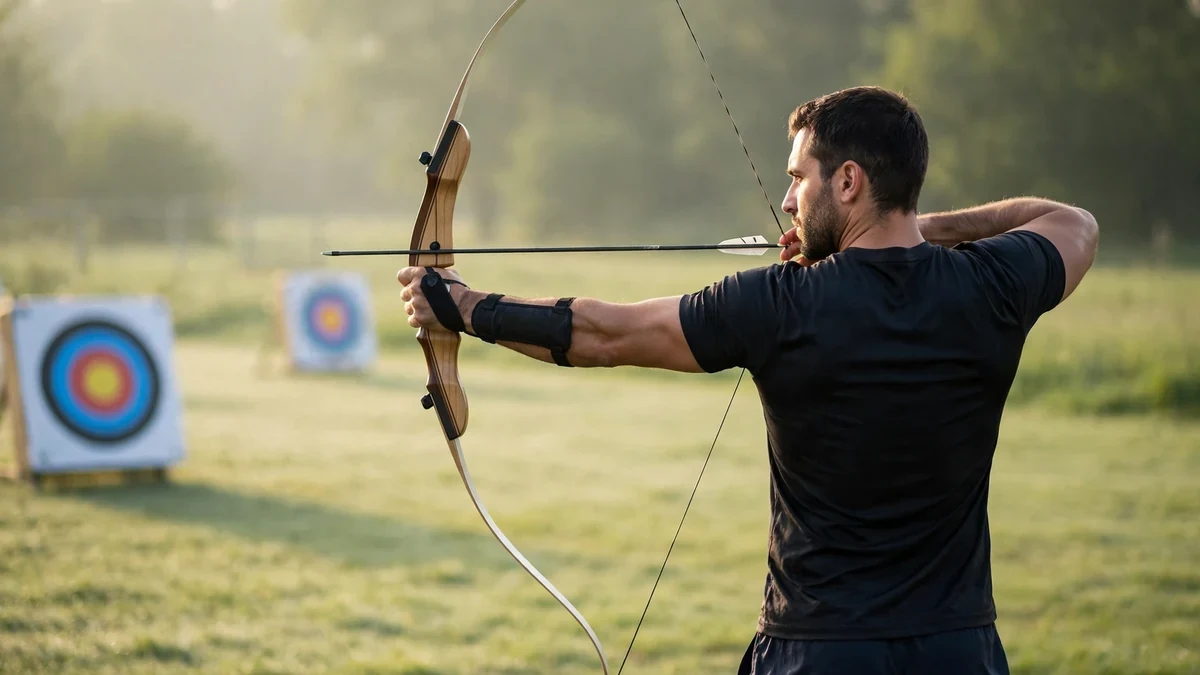
Yes, and I want to be precise about how much, because this is where most articles oversell it. Archery is moderate activity, not a gym replacement. The Compendium of Physical Activities rates archery, non-hunting, at 4.3 METs under code 15010, and the 2024 Adult Compendium retains that 4.3 figure. A MET is a measure of energy cost, and 4.3 puts archery in the same band as walking a golf course while carrying clubs, and close to brisk walking. It is not running or swimming territory, and I say that as someone who still runs and lifts separately.
What does that mean in calories? Using the Compendium value, the estimate is about 307 calories per hour for a 150-pound adult, and about 410 calories per hour for a 200-pound adult. Present that as an estimate from the MET value, not a lab measurement, because that is what it is. Your own burn depends on your weight, how much you walk between targets, and how many arrows you shoot. A range session with plenty of walking to pull arrows burns more than standing in one spot and shooting the same target.
| Activity | Energy cost | What it feels like |
|---|---|---|
| Archery, non-hunting | 4.3 METs | Moderate activity, similar to brisk walking |
| Walking a golf course, carrying clubs | 4.3 METs | The same band as archery, per the Compendium |
| Bowhunting from a stand | 2.5 METs | Mostly sitting still, waiting and watching |
| Hiking out with hunting gear | 9.5 METs | Hard work, and the real workout of a hunt |
That table is the key to understanding bow hunting fitness. The shot itself is not the workout. Sitting in a stand is only 2.5 METs, which is light activity. Hiking out with hunting gear is 9.5 METs, which is vigorous. The hunt, the walk in, the climb, carrying gear, and hauling meat out, is where the bigger exertion happens. When I started, I expected my arms to be the tired part. They were not. My legs were, after a long walk to a stand with a pack on my back.
What Kind of Strength Does Archery Build?
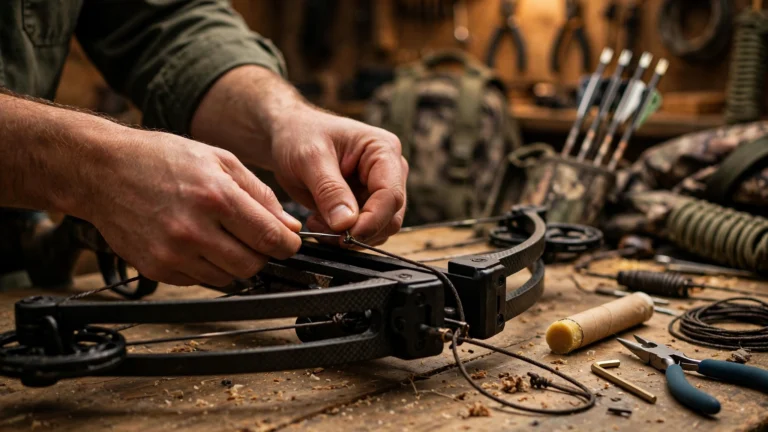
Drawing a bow works the shoulders, back, arms, and core, and holding steady at full draw asks your stabilizer muscles to do quiet, controlled work. It is real strength practice, but it is narrow: a few muscle groups, repeated in one motion. It builds coordination and control more than it builds size or power. If you shoot a crossbow, the picture changes a little. The latch holds the draw for you, so your arms do not carry the weight while you aim. The work moves to cocking the bow, which is where a cocking device earns its keep. Read the rope-and-crank cocking guide before your first session, and learn how draw weight affects what you feel on every shot.
What Does Archery Do for Your Mind?
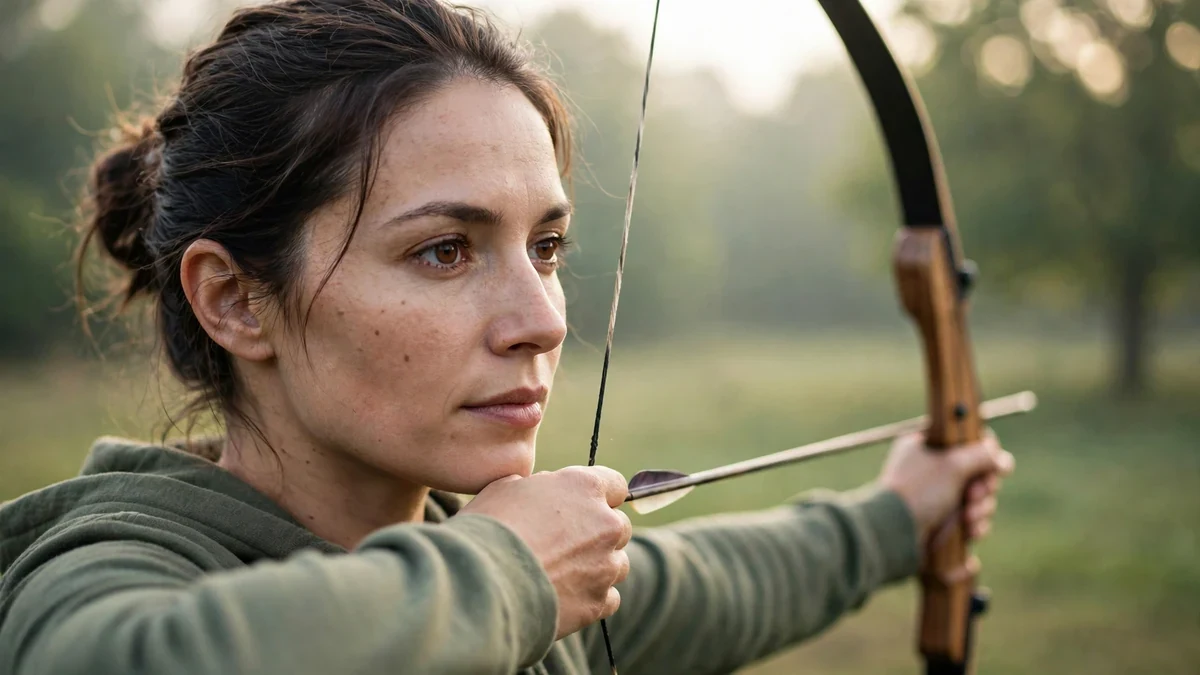
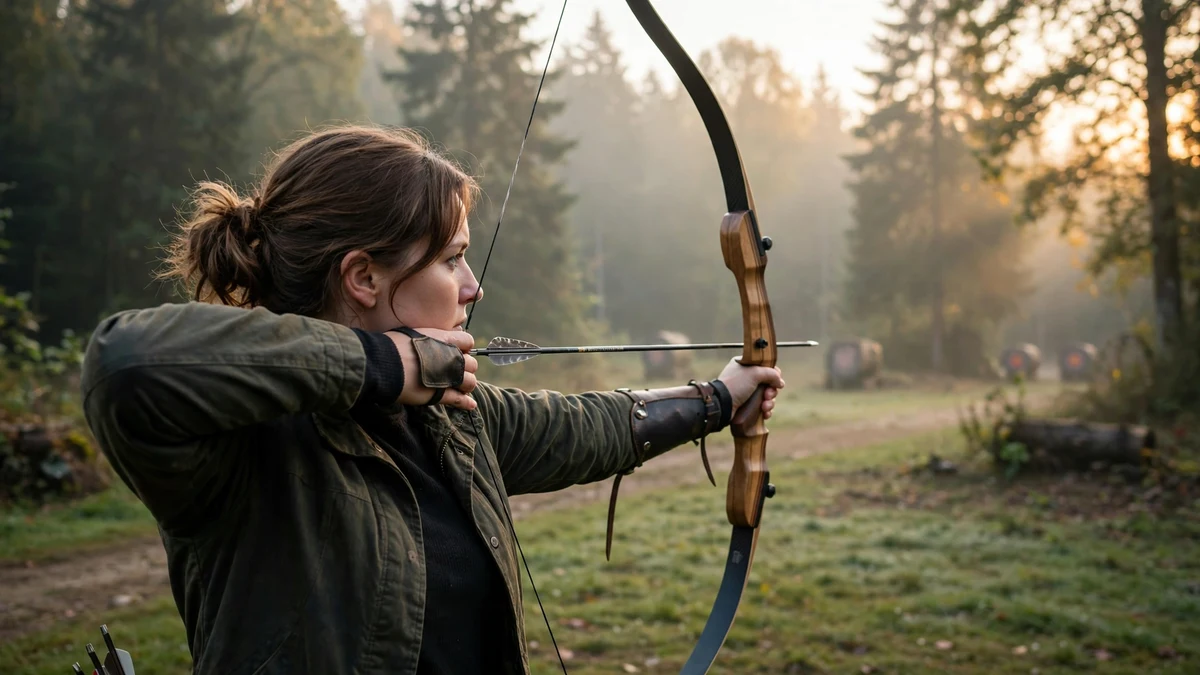
This is the benefit I felt first, and the one I am most careful to describe honestly. Archery forces you to slow down. You check your stance, breathe, settle the sight, and release cleanly, or the arrow tells you that you rushed. That routine builds focus, patience, and self control in a way that carries into the rest of my week. It is also genuinely relaxing for me, because for an hour at the range there is only one thing to think about: the next shot.
There is research behind the calm, but it is modest research, and I will describe it that way. A study by H.A. Aysan in 2016 showed archery has a positive effect on decreasing the symptoms of stress, as cited by Archery GB. That is a study finding, not proof that archery cures stress or anxiety, and I never present it as mental health treatment. Archery also has a long history as a rehabilitation activity: it was used at Stoke Mandeville Hospital in the 1940s for injured servicemen, according to Archery GB. And in research on girls and physical activity cited by Archery GB, 55 percent of girls agreed that keeping fit and doing physical activity made them happier, and 54 percent said it made them less stressed. That research is about physical activity in general, not archery specifically, so I frame it that way.
The mental skills build quietly. You learn patience from bad groups, discipline from a repeatable routine, and confidence from a group that tightens over weeks of practice. None of that shows up on a scorecard the first day. It shows up later, when you catch yourself breathing slower and rushing less.
Why Is Time Outdoors Itself a Benefit?
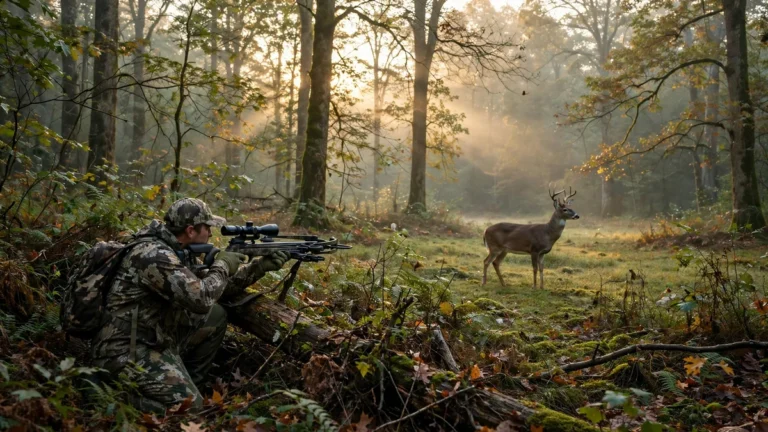
Archery gets you outside, and bow hunting gets you outside for longer, quieter stretches. A bow is quiet: a bow produces about 88 to 94 decibels, while most firearms produce at least 140 decibels, according to the American Speech-Language-Hearing Association. That quiet matters. You hear more of the woods, you spook less game, and the whole experience feels closer to the place you are in.
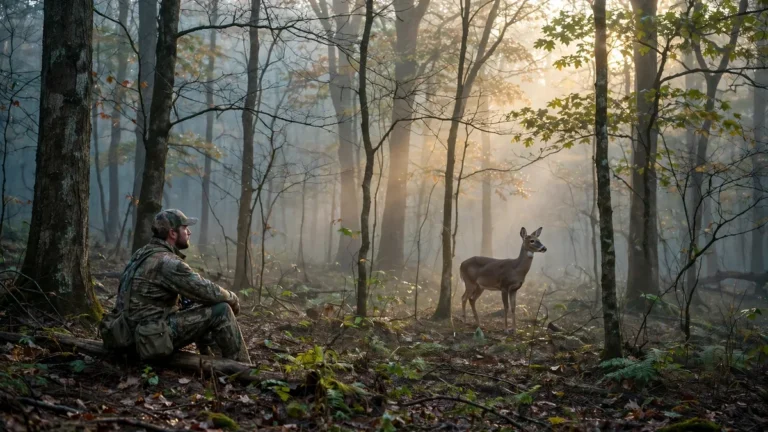
Bow seasons also generally run longer than firearm seasons and often start earlier, but exact lengths vary by state and species, so I will not state a number of weeks or months. Check your state regulations for the season that applies to you. The extra time in the field is one of the reasons many hunters pick up a bow in the first place, along with the challenge of getting close. A bow hunt is a close range hunt, and that closeness teaches woodsmanship: reading sign, watching the wind, understanding animal behavior, and moving quietly. Those are skills, not gear, and they are the part of bow hunting I am still learning.
Does Bow Hunting Put Real Food on the Table?
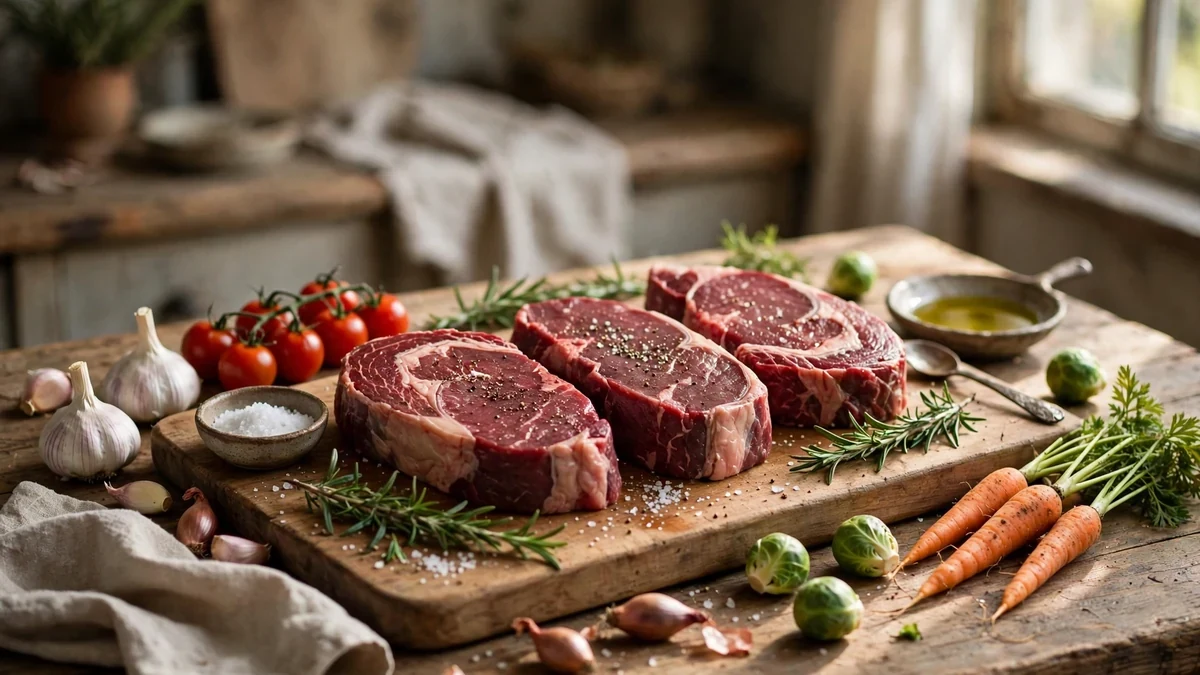
Yes, and this is the benefit that surprised my family most. Venison is lean, wild protein that you sourced yourself, and the numbers back up the reputation. According to USDA FoodData Central, roasted venison has 190 calories, 36.08 grams of protein, and 3.93 grams of fat per 100 grams, with 0 grams of carbohydrate and 5 milligrams of iron per 100 grams. Compared with beef steak at 271 calories and 24.9 grams of protein per 100 grams, venison has about 30 percent fewer calories and more protein per 100 grams.
| Per 100 grams, roasted | Venison | Beef steak |
|---|---|---|
| Calories | 190 kcal | 271 kcal |
| Protein | 36.08 g | 24.9 g |
| Fat | 3.93 g | Not stated here |
| Carbohydrate | 0 g | Not stated here |
| Iron | 5 mg | Not stated here |
I frame venison as lean, wild protein you sourced yourself, not as a diet claim. It is not a weight loss method, and archery is not a weight loss program. The food benefit is simpler and better than that: you know where your meat came from, you took it yourself, and a full freezer is a real, practical reward for a season of work.
How Does Bow Hunting Fund Conservation?
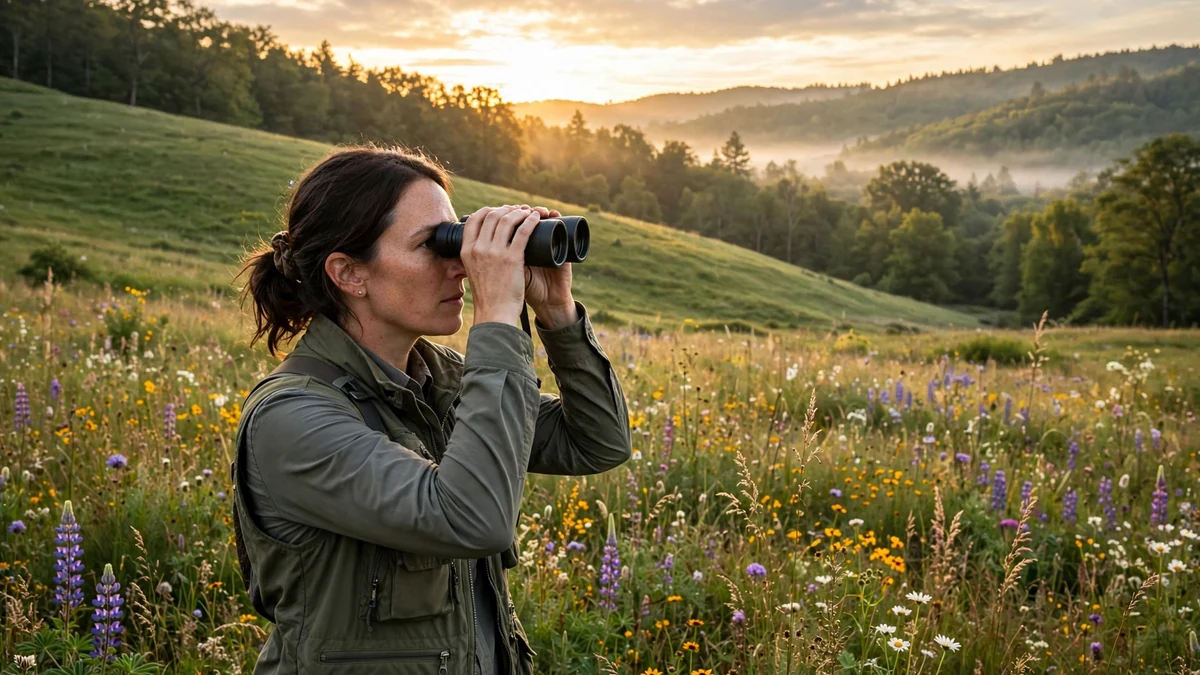
This is the section I most wanted to write, because no beginner guide I read before starting explained it, and it is the biggest gap in the articles ranking for this topic. Every time you buy a bow, arrows, or archery accessories, federal excise taxes on that equipment help fund wildlife conservation. Federal excise taxes on bows, arrows, and archer accessories fund the Wildlife Restoration program and hunter education, according to the US Fish and Wildlife Service. Your hunting license adds to it, because states use license revenue as their matching share. Buying a crossbow and a license is itself a conservation act, and I did not understand that until I looked up the numbers.
| Figure | Amount | Source |
|---|---|---|
| Combined Wildlife and Sport Fish Restoration apportionments, fiscal year 2026 | Over 1.2 billion dollars | US Fish and Wildlife Service press release, February 13, 2026 |
| Combined Wildlife Restoration and Sport Fish Restoration distributed since 1937 | More than 31 billion dollars | US Fish and Wildlife Service press release, February 13, 2026 |
| Wildlife Restoration only, awarded since 1937 | 17.7 billion dollars | US Fish and Wildlife Service |
| Federal share of project costs | 75 percent | US Fish and Wildlife Service |
| State share of project costs, usually from license revenue | 25 percent | US Fish and Wildlife Service |
| Shooting ranges designed, constructed, renovated, or opened with Wildlife Restoration funds | Over 800 | US Fish and Wildlife Service, Fish and Wildlife News, Winter 2026 |
Keep the two big totals straight, because they measure different things. More than 31 billion dollars is the combined Wildlife Restoration plus Sport Fish Restoration partnership total distributed since 1937. The 17.7 billion dollar figure is Wildlife Restoration only, awarded since 1937 from manufacturer excise taxes on ammunition, firearms, and archery equipment. Do not mix them, and do not quote one as if it were the other.
Where Does the Money Actually Go?
The money funds wildlife management and research, habitat conservation, wildlife health monitoring, hunter education courses, public shooting ranges, and public access, according to the US Fish and Wildlife Service. The federal grants cover 75 percent of project costs, and states contribute 25 percent, usually from hunting and fishing license revenue. The apportionment formula splits the funds half by state land area and half by the number of paid hunting license holders, with no state receiving more than 5 percent or less than 0.5 percent, under 16 U.S.C. 669c. That formula is why your license matters twice: it pays for your hunt, and it helps set how much conservation funding your state receives.
The range I practice at exists partly because of this system. Over 800 shooting ranges have been designed, constructed, renovated, or opened with Wildlife Restoration funds. When I learned that, the excise tax stopped feeling like a hidden fee and started feeling like the price of keeping the whole system running.
What Is Hunter Education, and Why Should I Take It First?
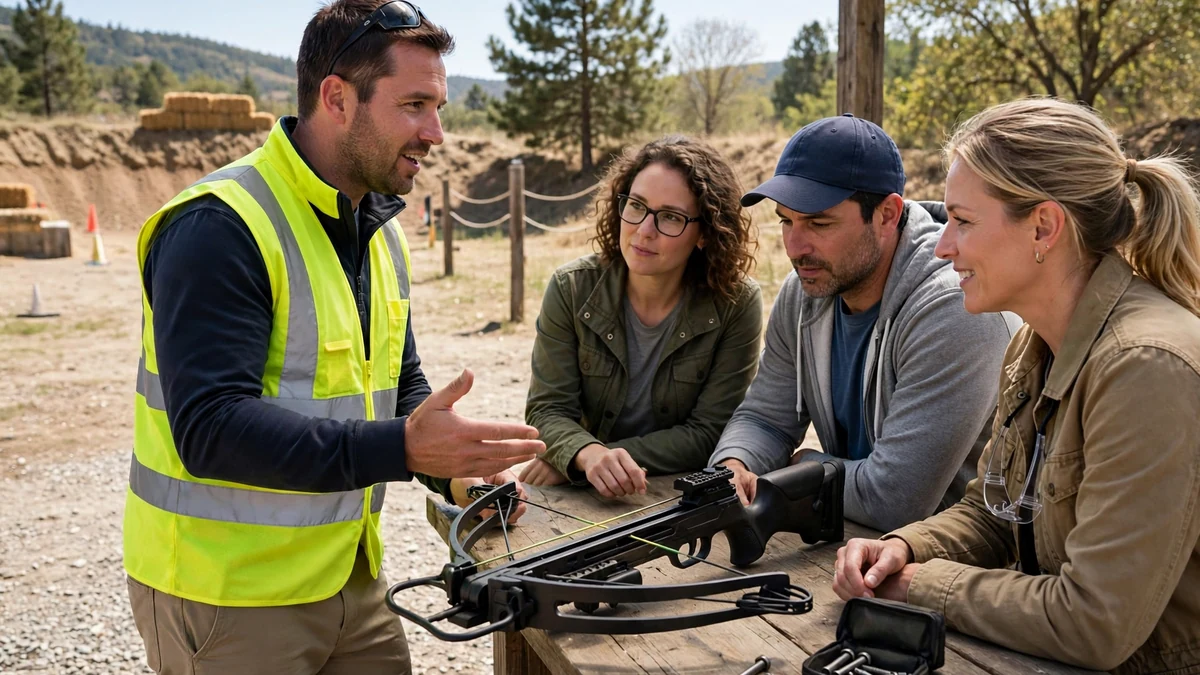
Hunter education is the beginner front door, and I took it before I hunted. Most states require completion of a hunter education course before buying a hunting license, and certificates are generally recognized across states, according to the US Fish and Wildlife Service. The course covers safety, ethics, regulations, and basic skills, and it is taught by people who want you to succeed.
The scale of it is bigger than I expected. Every year, over 1 million people receive hunter education supported by excise taxes through the Hunter Education Program, according to the US Fish and Wildlife Service. Separately, more than 550,000 students are trained and certified each year, taught by 32,000-plus instructors, most of them volunteers, according to IHEA-USA. Those two figures measure different things, all recipients versus certifications, so I present both with their sources and do not merge them into one number. Before you buy anything, read the safe-handling and find your state hunter education course. It is the single best first step I took.
Can Kids and Families Start Archery Together?
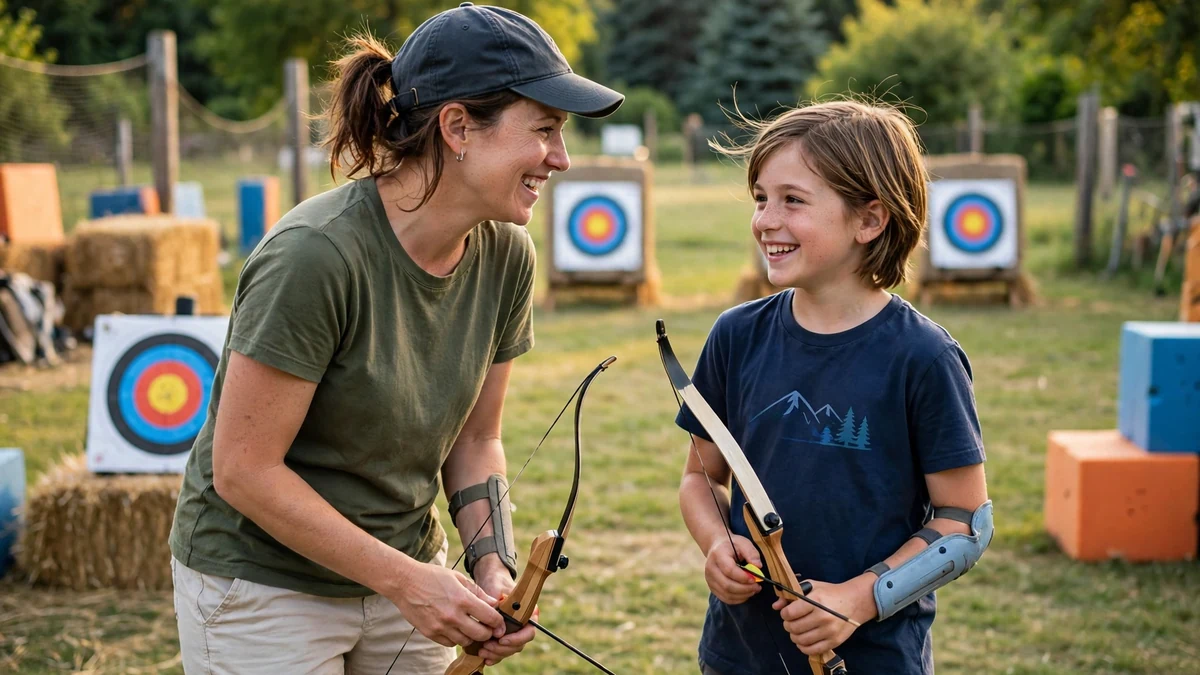
Yes, and schools are where most young archers start. The National Archery in the Schools Program, known as NASP, is the largest youth archery program I found, and its current figures are impressive. In the 2025-26 school year, NASP reached 1,323,623 students in 10,302 schools, with 100,615 unique competitive archers and 2,266 tournaments, according to its August 31, 2026 announcement. Since 2002, more than 26.02 million students have held a bow through NASP, 121,542 educators have been trained, and 6.262 million dollars in scholarships have been awarded.
| NASP figure | Number |
|---|---|
| Students, 2025-26 school year | 1,323,623 |
| Schools, 2025-26 school year | 10,302 |
| Unique competitive archers, 2025-26 | 100,615 |
| Tournaments, 2025-26 | 2,266 |
| Students who have held a bow since 2002 | More than 26.02 million |
| Educators trained | 121,542 |
| Scholarships awarded | 6.262 million dollars |
NASP is offered in all 50 states, with Delaware becoming the 50th in March 2025, and in 10 Canadian provinces. About 50 percent of students are first-time archers, and participation is about 50/50 male and female. That matches what I have seen at ranges: archery is one of the few sports where a whole family can shoot side by side, and where a beginner can stand next to an experienced archer and both enjoy the same line. Archery participation in the United States backs that up: more than 19 million people participated in archery in 2022, up from 7 million in 2000, and ages 8 to 15 are the largest age group, credited largely to NASP, according to the US Fish and Wildlife Service 2022 National Survey addendum on target shooting.
Who Else Hunts, and How Big Is the Community?
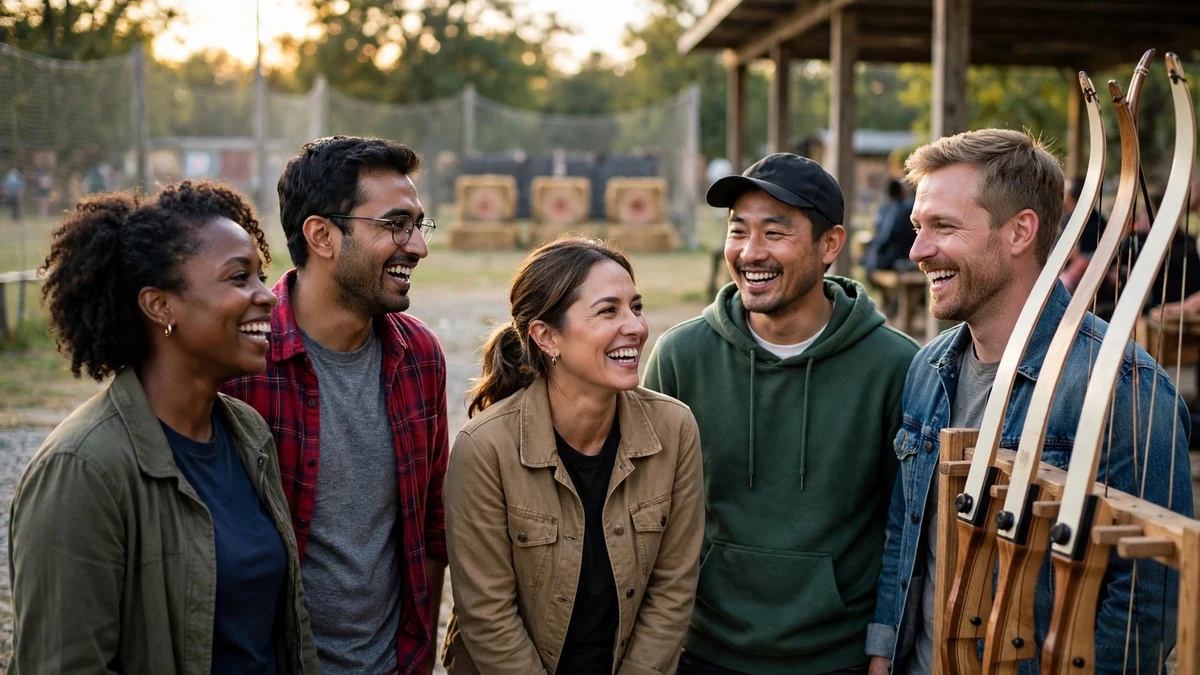
Bow hunters are part of a large hunting community, and the scale helps explain why conservation funding works. There were 14.4 million hunters aged 16 and older in the United States in 2022, including 11.5 million big game hunters, who hunted 241 million days on 165 million trips, according to the US Fish and Wildlife Service 2022 National Survey of Fishing, Hunting, and Wildlife-Associated Recreation. Hunting spending reached 45.2 billion dollars in 2022, according to the same survey.
Those numbers matter to a beginner for a practical reason: you are not joining a small niche, you are joining a large community with mentors, clubs, ranges, and traditions. I learned more from an hour with an experienced archer at my local range than from a week of reading alone. Find a club, ask questions, and let someone watch your form. The mentorship tradition is real, and it runs through families, coaches, and school programs like NASP.
What Archery Does Not Do
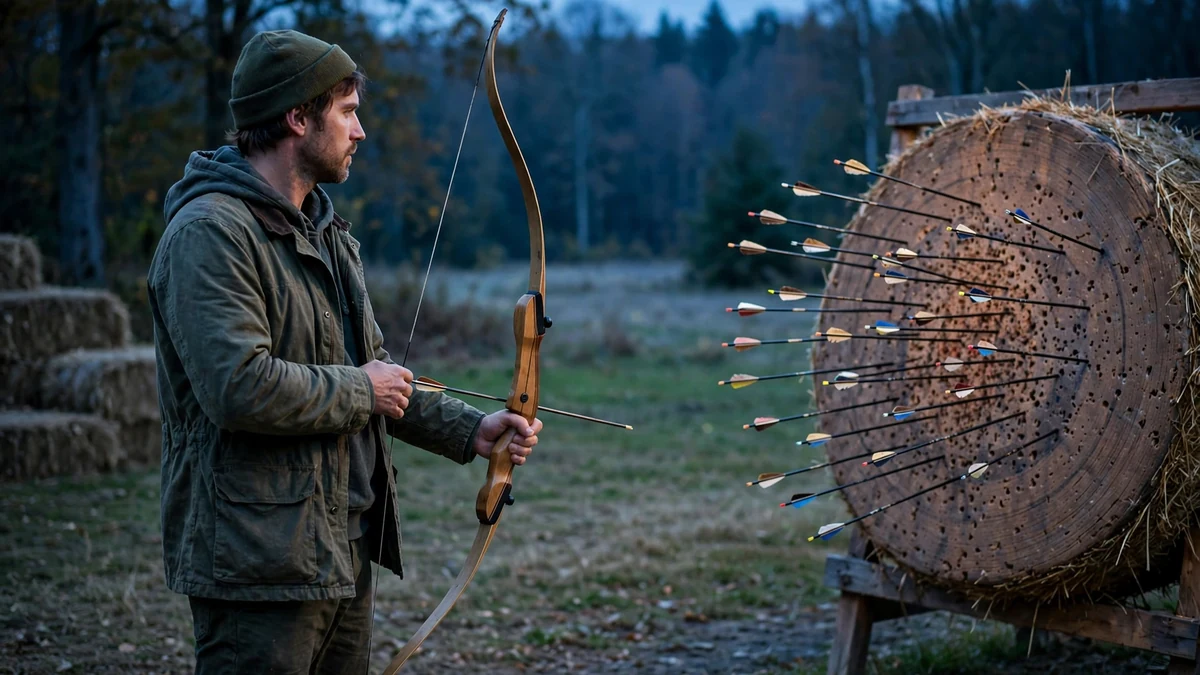
Honesty is the point of this guide, so here are the limits, stated plainly. Archery is moderate activity, not a complete fitness program, and it is not a substitute for a run or a treadmill session. It is not a weight loss method, and I do not present it as one. It is not mental health treatment, even though I find it calming. And I want to be clear about one thing I used to believe: shooting does not make your eyesight better. Focus and distance judgment are real skills archery builds, but better vision is not one of them. A bow season is not a fixed length either: it varies by state and species, so always check your state regulations. Knowing the limits makes the real benefits easier to trust.
How Do I Start Bow Hunting as a Beginner?
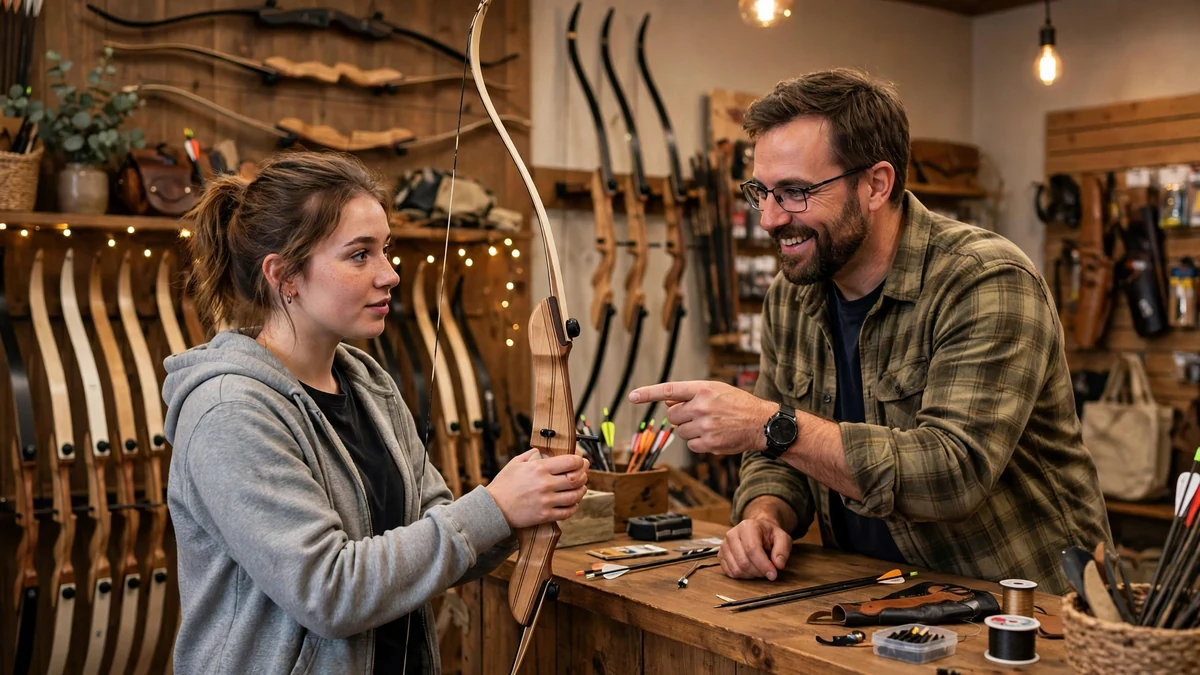
Start small, in this order, and do not turn it into a buying spree.
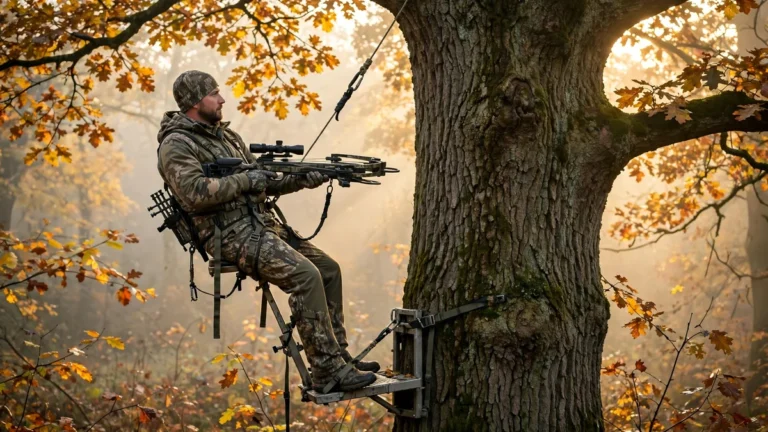
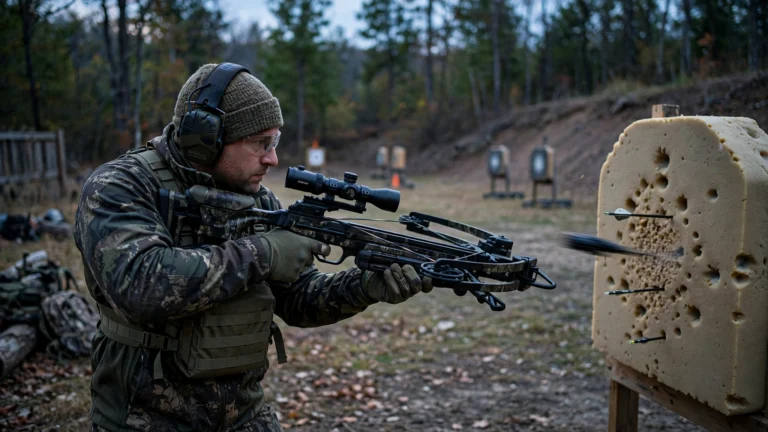
First, take a hunter education course in your state. It is required in most states before you buy a license, and it teaches the safety and ethics that everything else rests on. Second, learn the safety rules before you shoot. Read the safe-handling and practice cocking safely with the rope-and-crank cocking guide. Third, choose a beginner friendly crossbow. The starter-bow guide and the first-bow buying guide will help you pick one that fits your budget and your strength, and the tested bows roundup shows the wider field. Fourth, practice at a range before you hunt. Learn your arrows, sight in, and build a repeatable routine. When you are ready to hunt, the treestand picks guide covers hunting setups, and a good pack makes the long walk in and out far easier. Keep it simple: course, safety, bow, practice, then hunt.
Frequently Asked Questions
Is archery good exercise?
Yes, as moderate activity. The Compendium of Physical Activities rates archery at 4.3 METs, in the same band as walking a golf course while carrying clubs, and close to brisk walking. It builds coordination, control, and some upper body strength, but it is not a gym replacement, and the harder work of a hunt comes from hiking, carrying gear, and hauling meat, not from the shot itself.
How many calories does archery burn?
Using the Compendium value of 4.3 METs, the estimate is about 307 calories per hour for a 150-pound adult, and about 410 calories per hour for a 200-pound adult. Present that as an estimate from the MET value, not a lab measurement. Your own burn depends on your weight, how much you walk between targets, and how many arrows you shoot.
Does archery help with stress?
A study by H.A. Aysan in 2016 showed archery has a positive effect on decreasing the symptoms of stress, as cited by Archery GB, and many archers, including me, find the slow routine of stance, breath, aim, and release calming. That is a study finding and a personal experience, not proof that archery treats stress or anxiety. Archery is not mental health treatment.
Does bow hunting really help conservation?
Yes. Federal excise taxes on bows, arrows, and archer accessories fund the Wildlife Restoration program and hunter education, and license revenue provides the state matching share. In fiscal year 2026, the US Fish and Wildlife Service apportioned over 1.2 billion dollars in combined Wildlife and Sport Fish Restoration funds, and more than 31 billion dollars in combined funds have been distributed since 1937. Buying a bow and a license is itself a conservation act.
What does conservation funding pay for?
Wildlife management and research, habitat conservation, wildlife health monitoring, hunter education courses, public shooting ranges, and public access. Federal grants cover 75 percent of project costs and states contribute 25 percent, usually from hunting and fishing license revenue. Over 800 shooting ranges have been designed, constructed, renovated, or opened with Wildlife Restoration funds.
Is bow hunting cheaper than rifle hunting?
There is no reliable national figure for that, so I will not quote one. Startup cost depends on the bow, arrows, license, and gear you choose, and it varies by state. A bow can serve for many seasons, arrows are reusable when they are not damaged, and bow seasons generally run longer than firearm seasons, which spreads the cost over more days in the field. Compare real prices for your own setup instead of trusting a single average.
How do I start bow hunting as a beginner?
Take a hunter education course first, since most states require it before you buy a license. Then learn the safety rules, choose a beginner friendly crossbow with the help of the starter-bow guide, and practice at a range before you hunt. Find a mentor or a local club, because an hour with an experienced archer teaches more than a week of reading alone.
What age can kids start archery?
There is no single national starting age, and local ranges and programs set their own rules, so check with the program near you. School programs are a common starting point: the National Archery in the Schools Program reached 1,323,623 students in 10,302 schools in the 2025-26 school year, and ages 8 to 15 are the largest age group in United States archery participation, credited largely to NASP. About 50 percent of NASP students are first-time archers.
Do bow hunters get more time in the field?
Generally, yes. Bow seasons generally run longer than firearm seasons and often start earlier, but exact lengths vary by state and species, so I will not state a number of weeks or months. Check your state regulations for the season that applies to you. The quiet of a bow, about 88 to 94 decibels against at least 140 decibels for most firearms, is part of the same advantage: more time, and closer time, in the woods.
Keep Learning
If you want to keep going, these guides pick up where this one leaves off:
- Best Crossbow for Beginners: 5 Picks to Start Hunting Right
- How to Choose a Crossbow: A Beginner’s Buying Guide
- Crossbow Safety Guide: How to Handle Every Bow Safely
- How to Cock a Crossbow Safely: Rope and Crank Methods
- Best Crossbows 2026: Tested Picks for Every Budget
- Bow Draw Weight Explained
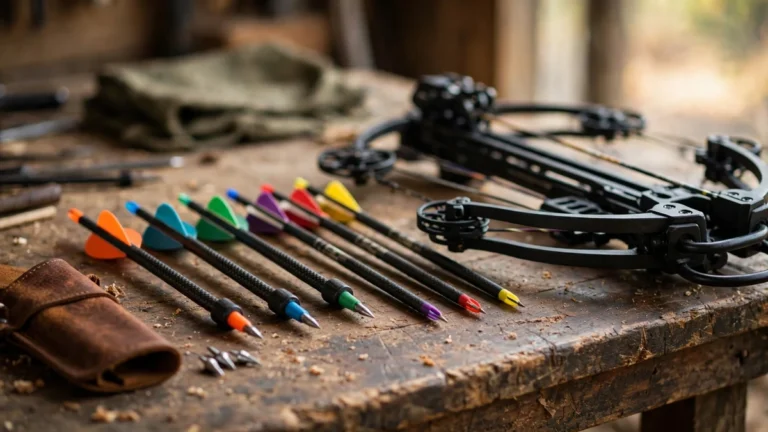
- Crossbow Arrows Guide
- Why You Should Shoot Lighted Crossbow Nocks for Hunting
- Best Hunting Backpack
- Barnett Whitetail Hunter Review
- Barnett Whitetail Pro STR Review