Why You Should Shoot Lighted Crossbow Nocks for Hunting
Why You Should Shoot Lighted Crossbow Nocks for Hunting
I used to think a lighted nock was a small luxury, a glowing gadget for hunters who liked gear. Then I started learning how fast a crossbow bolt really moves, and how little you can see at dawn and dusk, and I changed my mind. You cannot follow a bolt with your eyes at 400 feet per second. A lighted nock turns that invisible bolt into a bright tracer, and that tracer tells you where the bolt went, where it hit, and where it ended up. This guide explains why that matters, what a lighted nock does and does not do, which nock fits your bow, what the extra weight does to your point of impact, what it costs, how long the battery lasts, and where the rules stand. If you want to compare models to buy, see our best lighted nocks for crossbows roundup. This article is the why. That roundup is the which.
The Short Answer
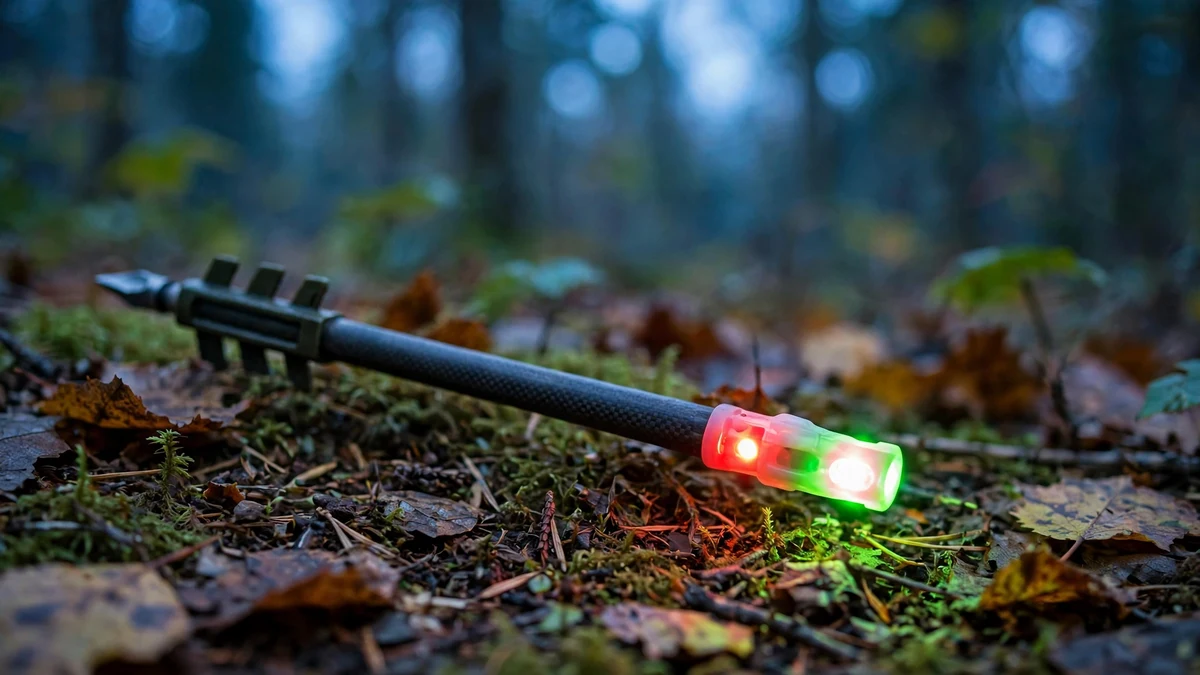
You should shoot lighted crossbow nocks for hunting because they let you see the bolt in flight, read where it hit, and find it after the shot, all in the low light when deer move most. A lighted nock is a small LED, a watch style battery, and a switch built into the nock at the back of the bolt. The circuit stays open until the shot closes it, and then the LED stays lit, glowing for hours. That glow is a tracer in the air and a marker on the ground. It does not make your bow more accurate, it does not tighten your groups, and it does not turn a bad shot into a good one. It shows you the truth of the shot so you can make a better recovery decision, and it marks a bolt that would otherwise vanish into grass and leaves. That is the whole case for it, and it is a strong one.
What Is a Lighted Crossbow Nock?
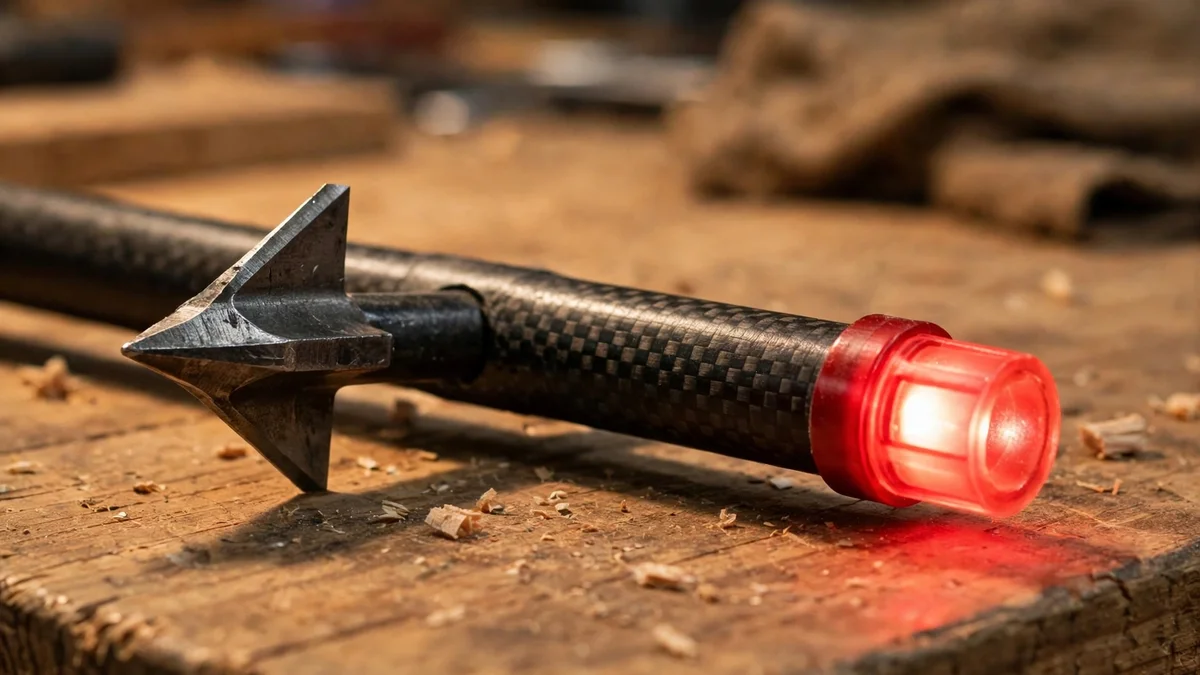
A nock is the small piece at the back of the bolt that meets the bowstring. On a standard bolt it is a plain piece of plastic or aluminum. On a lighted nock it is the same shape, with a light built in. Inside the nock body sit three parts: a small LED, a watch style battery, and a switch. Before the shot the circuit is incomplete, so the light stays off. The force of the shot closes the circuit, and the LED turns on and stays on. After the shot you turn it off by hand, so the battery is ready for the next hunt.
That sounds simple, and the idea is simple, but the details differ by brand, and the details matter. The switch is what turns the light on, and the turn off step is what saves the battery. Learn both for the nock you own, because a nock you cannot turn off is a dead battery by morning.
How Do Lighted Nocks Work?
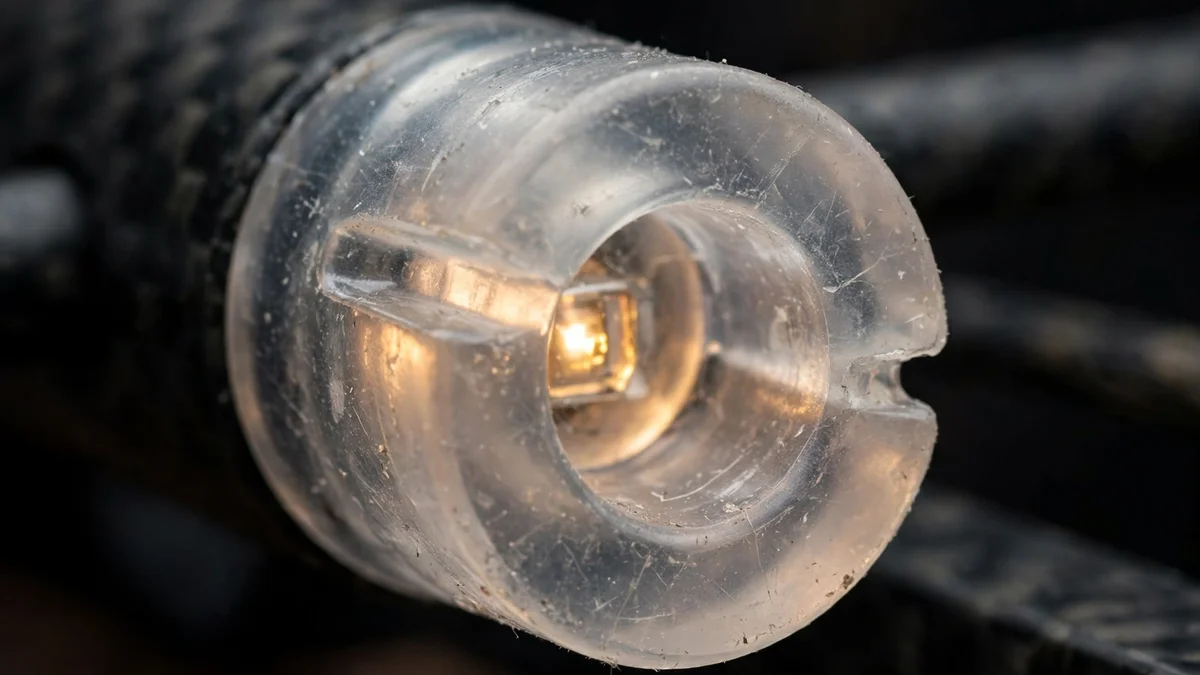
Every lighted nock works on the same idea, an incomplete circuit that the shot completes, but each brand closes that circuit in its own way. The table below covers the four brands a beginner is most likely to meet, with the turn off step for each one.
| Brand | How it lights up | How to turn it off |
|---|---|---|
| Lumenok | Firing completes the circuit. No magnet is needed. | Wiggle the nock or back it out of the shaft. |
| Nockturnal | A string activated piston or trigger switch fires when the string pushes the nock. | Pull the nock out or use the external switch on models that have one. |
| TenPoint Alpha-Blaze | Bowstring force compresses two pieces on firing and activates the LED. | Pull the nock straight out. No tools are needed. |
| Firenock | A G-force switch activates when the bolt exceeds a set force on launch. | Drop the bolt nock first from about 6 inches onto a hard surface. |
What you see is the same whichever brand you shoot. In flight you see a bright tracer, a short streak of light that shows the arc of the bolt and any wild flight. At the end of the flight you see a glowing point where the bolt stopped, in the ground, in brush, or in the animal. That glow is visible at dawn and dusk and in thick cover, exactly when an unlit bolt disappears. Colors include red, green, blue, orange, pink, and strobing red and green or blue and green versions. Green and red are the most common. Color choice is personal preference. No color is proven better for tracking, so pick the one you see best and stick with it.
Why Do Lighted Nocks Help?
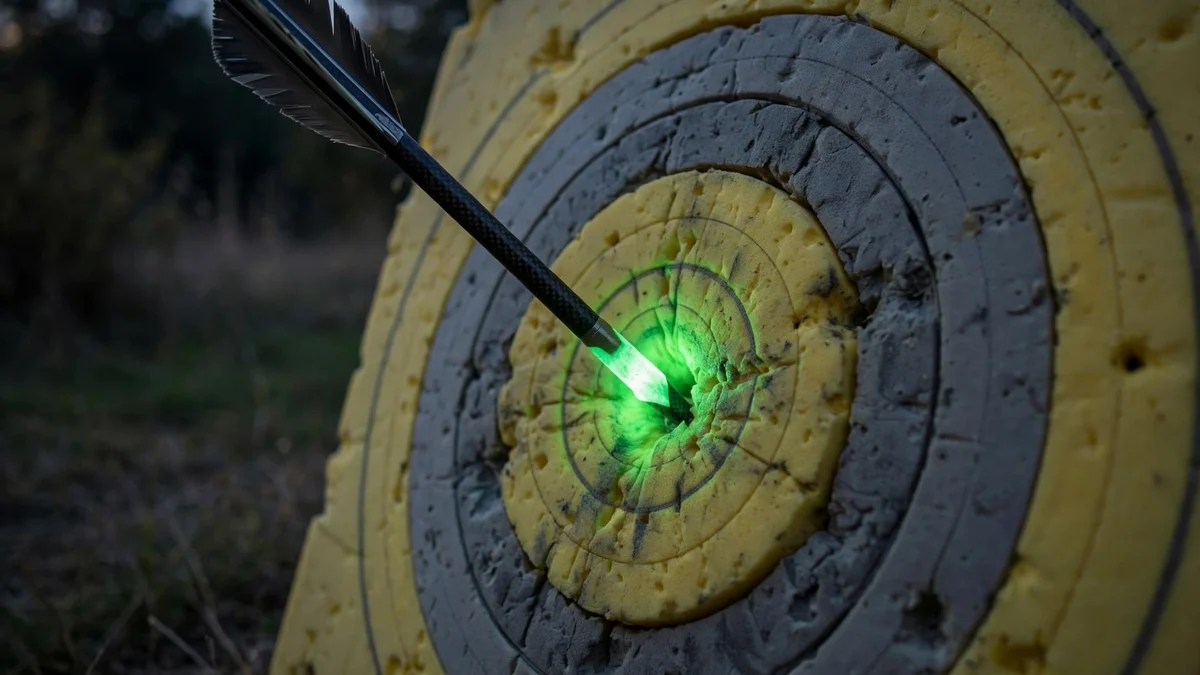
There are four real benefits, and they all come back to the same thing: seeing what you could not see before. I list them in the order they matter on a hunt.
Can You See the Bolt in Flight?
Yes, and that is the first benefit. A crossbow bolt is too fast to follow with the naked eye. Without a light you hear the shot, you see the animal react, and you guess where the bolt went. With a lighted nock you watch the tracer, and you see the arc and any wild flight. If the bolt flies oddly, if it kicks left or drops early, you see it happen instead of wondering about it later. That is useful in practice too. Watching flight at distance exposes form flaws and builds confidence, and it makes twilight practice more useful.
Can You Read Where the Shot Hit?
Yes, and this is the benefit that matters most for recovery. Watching the impact point tells you where the bolt hit, and where it hit decides whether to track now or wait and give the animal time. A clean hit and a gut shot call for very different waits, and the entry point is the clue that decides it. Knowing the entry point decides wait versus track. That is the honest way to put it, and it is why experienced hunters value the light as much as beginners do. The nock does not change where the bolt hit. It shows you where it hit, so your next decision is based on what you saw, not on what you hope happened.
Can You Find the Bolt After the Shot?
Yes, and this is the most practical benefit of all. A pass through bolt in grass or leaves is hard to find unlit. It is a thin dark shaft in a field of thin dark things, and you can walk past it for a long time. A lit nock glows for hours and marks the spot, so you walk straight to it. That saves time, and it saves the bolt and the broadhead on it. A recovered bolt also shows blood and hair that help you read the hit, which feeds back into the recovery decision above. Finding the bolt is not a small thing. It is the physical evidence of your shot.
Why Do They Matter Most at Dawn and Dusk?
Dawn and dusk are prime hunting time and the worst visibility. The light is low, the background is busy, and your eyes are working hardest. Lighted nocks matter most exactly then, because the glow cuts through the dim light in a way a dark bolt never can. At midday on an open range, a lighted nock is a nice extra. At first light in the woods, it is the difference between seeing your shot and guessing at it. I plan my practice around this too. If I only practice at noon, I never learn what my shot looks like in the light I will actually hunt in.
What Lighted Nocks Do NOT Do
This section matters as much as the one above it, because the old article on this site got it wrong. The live article I am replacing claimed a lighted nock can improve your accuracy. That claim is false, and I am removing it here, not repeating it. A lighted nock improves visibility and recovery, not grouping. Here is the full list of things it does not do.
| Claim you may hear | The truth |
|---|---|
| They improve accuracy | False. They do not tighten groups. They improve visibility and recovery, not grouping. A lighted nock shows you the shot. It does not steady your aim. |
| They make a bad shot good | False. A gut shot is still a gut shot. The nock only shows you where it hit so you can make a better recovery decision. |
| They replace tracking skills | False. They help you find the bolt and read the hit. Blood trailing, waiting the right time, and reading sign still decide recovery. |
| They fix a bad tune | False. A heavier nock can expose or worsen a tune problem, and a wrong nock fit causes nock pinch and erratic flight. |
If anyone tells you a lighted nock will make you a better shot, they are selling you something. What it will do is make you a better informed hunter after the shot, and that is worth plenty on its own. Keep the claim honest and the nock earns its place. Inflate the claim and you will be disappointed the first time a lit bolt still misses.
Which Nock Fits Your Crossbow?
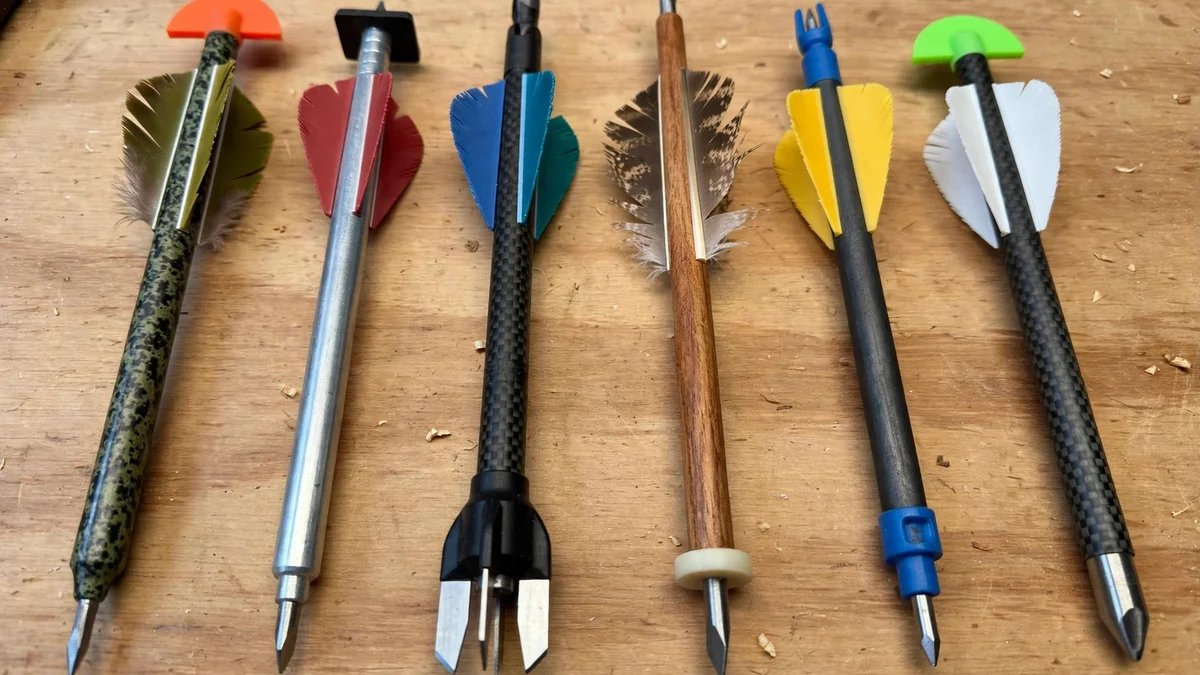
This is the section to read twice, because getting it wrong is a safety issue, not just a fit issue. Crossbow nocks come in several shapes, and each bow is built for one of them. The wrong nock can cause a misfire or a dry fire, and a dry fire can break the string, cables, limbs, or cams. Always use the nock your crossbow manufacturer recommends. That is the single most important safety line in this article, and it comes straight from the manufacturer guidance. Read the safe-handling for the full safety sequence before your first session with a new bow.
| Nock shape | What it is | Fit note |
|---|---|---|
| Flat nock | A flat disk on the back of the bolt, the oldest and simplest design. | Common on many crossbows, including some Excalibur and older models. Check the manual. |
| Half moon nock | A slight concave curve the string rests in. The bolt loads with a vane straight down in the barrel groove. | Common crossbow nock. Do not use it on a bow that specifies flat, and do not use a flat nock where a half moon is specified. |
| Capture nock | A deeper half moon groove that snaps onto the string serving. | Holds the string securely. Used on some crossbows and many vertical bows. |
| Hybrid moon nock | A moon nock with concave cutouts every 120 degrees. | A newer design that accepts more vane orientations. |
| TenPoint Alpha-Nock, Alpha-Nock HP, and HPX | TenPoint proprietary deep groove nock with an aluminum bushing. | Mandatory on TenPoint and Wicked Ridge crossbows with the Alpha-Nock receiver. The lighted version is the Alpha-Blaze and the newer Alpha-Blaze HPX. Use only TenPoint nocks on TenPoint bows. |
| Ravin clip nocks | Ravin proprietary nocks. The lighted version is the R135. | Ravin bolts only. Ravin lighted arrows are built to match the weight of Ravin unlighted arrows so flight stays the same. |
| Nockturnal Launchpad and Predator | Nockturnal crossbow specific lighted nocks. | These are the crossbow models. Do not buy the Shift or FIT for a crossbow. |
Two warnings belong here in plain language. First, the Nockturnal Shift is a vertical bow nock, not a crossbow nock. The Shift, including the Shift FIT and Shift Universal, fits vertical bow arrow shafts and weighs about 25 grains. It is not made for a crossbow, and it is the Nockturnal product you will see first in search results, because it is the most promoted line. If you search for Nockturnal and buy the first result without checking, you can easily buy the wrong nock. For a crossbow, buy the Nockturnal Launchpad or the Nockturnal Predator. I say that twice in this article on purpose, here and in the FAQ, because it is the easiest expensive mistake in this whole topic.
Second, a lighted nock fits the string differently than a standard nock, and that fit can cause nock pinch, where the string squeezes the nock and the bolt flies erratically. If a lit bolt flies differently than your unlit bolts in a way that sighting in does not fix, check the fit before you blame your aim. The nock, the string serving, and the rail all have to agree, and the manual for your exact model is the authority on which nock they agree on. For more on bolts and how the nock, shaft, and point work together, read our arrow-selection and the bolt-selection guide.
What Does the Extra Weight Do to Your Point of Impact?
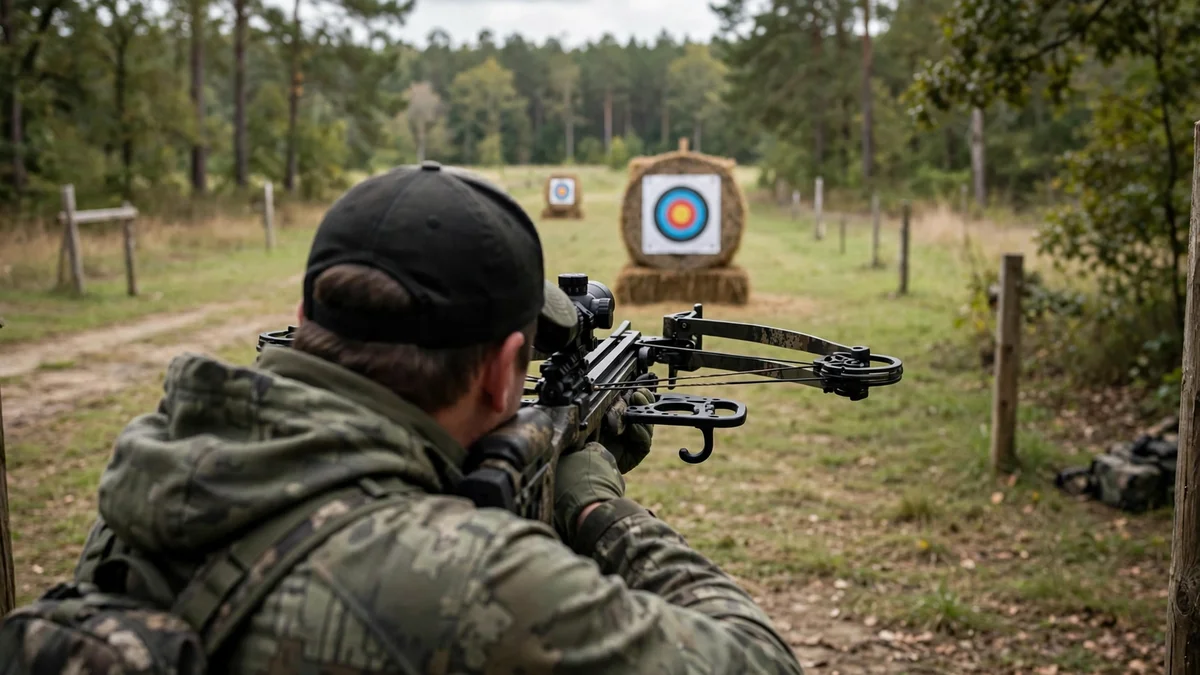
A lighted nock weighs more than a standard nock, and that extra weight at the back of the bolt can move your point of impact. A standard nock weighs about 6 to 13 grains. A lighted nock typically weighs about 18 to 27 grains, depending on the brand and model. That is a real difference on a bolt that weighs a few hundred grains in total, and it is the reason you must sight in with the exact lighted bolts you will hunt with.
| Nock | Weight |
|---|---|
| Standard nock | About 6 to 13 grains |
| Lumenok | 25 grains in the tested model, 27 grains for the GT series. The Signature series adds 12 to 18 grains over a standard nock. |
| Nockturnal classic, GT and X | 20 grains |
| Nockturnal FIT and Shift | 25 grains. Note that one listing gives 20 grains for the strobing Shift FIT, so treat the Shift weight as about 25 grains with that conflict noted. |
| TenPoint Alpha-Blaze | 27 grains. The unlighted Alpha-Nock HP is also 27 grains, which is why TenPoint says the point of impact matches. |
| Firenock AeroBolt | 18 grains. The G style is about 21 to 21.8 grains complete, and the S style tested at 26.9 grains. |
One published field test puts real numbers on this. In that test the lit bolt weighed 268.5 grains and the unlit bolt weighed 257.5 grains, an 11 grain difference. The first two lit shots landed 2 inches left, then matched after a sight adjustment. I am not attaching a yardage to that 2 inch figure, because the test report as I found it does not state the distance plainly, and I will not guess at it. The point stands without the yardage: the extra weight moved the impact, and a sight adjustment fixed it. That is the pattern to expect.
Manufacturers disagree on how much it matters, and I will report the disagreement honestly. Excalibur says illuminated nocks are heavier and shift point of impact, so sight in with them. FeraDyne says trajectory is generally unchanged but it can shift depending on tune. TenPoint says the Alpha-Blaze is designed for the same point of impact as the unlighted Alpha-Nock, and the matching 27 grain weight is the reason why, but TenPoint still says to verify with a practice shot. All three agree on the practical advice, and so do I: sight in with the exact lighted bolts you will hunt with. Do not sight in with unlighted bolts and assume the lighted ones hit the same spot. Read the sighting-in guide for the full process, and do that sight in with your hunting bolts, not your practice bolts, before the season opens.
How Long Do Lighted Nocks Stay Lit?
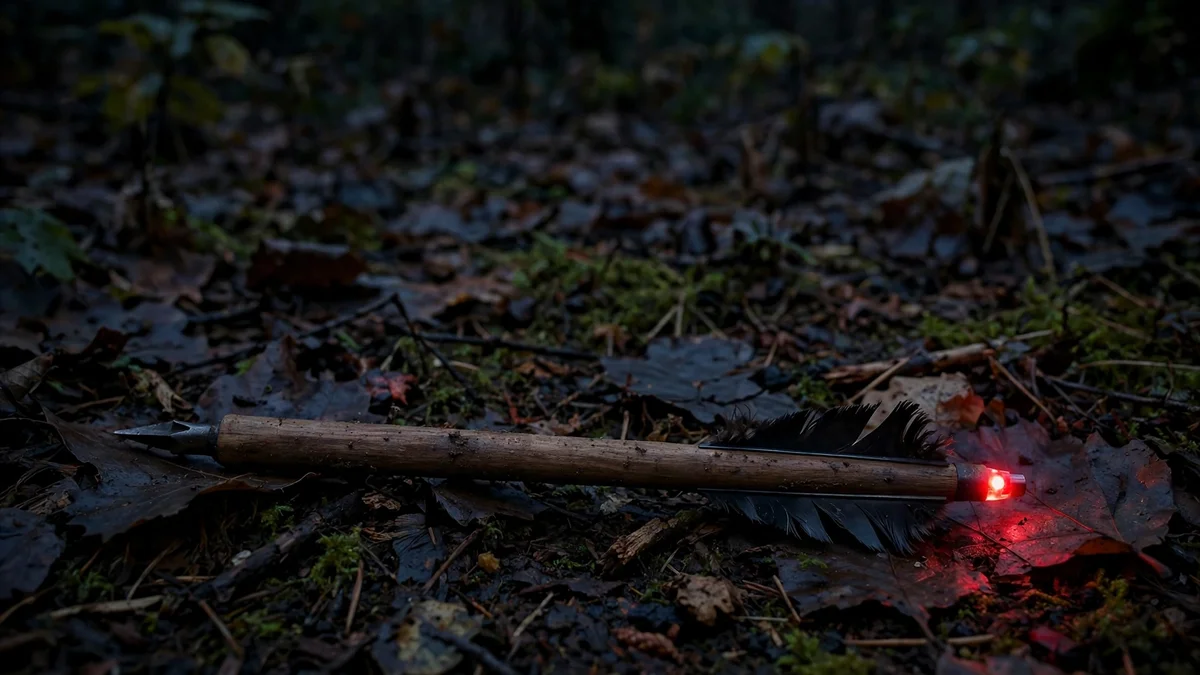
Long enough for a hunt, and usually for several hunts, but the number depends on the brand, and the battery is not replaceable on every model. The table below gives the figures I could verify. Where I could not verify a number, I say so instead of printing one.
| Brand or model | Battery life when lit | Replaceable battery |
|---|---|---|
| Nockturnal, classic, FIT, and Shift | About 20 plus hours | No. Sealed unit, replace the whole nock when the battery dies. |
| Lumenok | Up to 40 hours | Yes, on models that use the replaceable battery, part RBS, about $5 per battery. Not every Lumenok model is covered by that claim, so check your model. |
| TenPoint Alpha-Blaze, original | About 8 hours | No. Sealed one piece nock and LED unit. |
| TenPoint Alpha-Blaze HPX | About 24 hours | No. Sealed one piece unit. |
| Firenock | S style still lit after 60 hours in one field test, a test observation, not a manufacturer rating. The AeroBolt is listed at 30 plus hours. | Yes, replacement batteries are sold, $10.95 per 3 pack. |
| Ravin lighted nocks | Not stated in the sources I found. I am not publishing a number. | Not stated in the sources I found. |
Three practical habits stretch battery life. First, turn the nock off after every shot. That sounds obvious, and it is the step beginners forget most, because the excitement of the shot pushes everything else out of mind. A nock left lit in a quiver or a pack burns hours for nothing. Second, watch for accidental activation. Pushing too hard when nocking the bolt can light the nock at 5 a.m. in the dark, before you have even raised the bow, and then you are hunting with a lit nock and a draining battery. Seat the bolt firmly, but do not shove it. Third, remember that cold weather shortens battery life. That is a general battery fact, not a brand claim, so keep it generic in your planning: a cold morning costs you some hours, so carry a spare nock.
One reassurance belongs here too. A dead battery means a normal nock, not a failed hunt. The bolt still flies, the broadhead still cuts, and the only thing you lose is the glow. If the light does not come on at the shot, hunt on, find the bolt by eye, and replace the nock or the battery after. And if a nock fails to light more than once, check the fit and the switch before you trust that nock again. Care for the nock the way you care for the rest of the bolt, and the full routine lives in the upkeep.
How Much Do Lighted Nocks Cost?
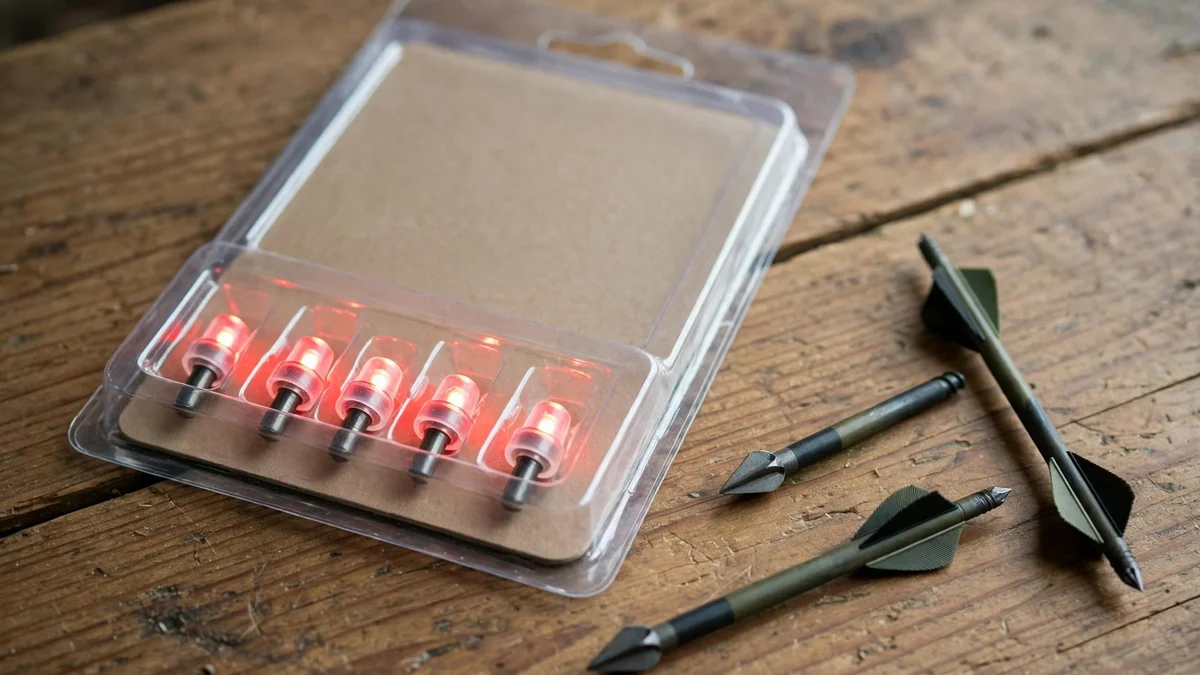
Lighted nocks cost real money next to a standard nock, and you should go in with your eyes open. Expect about $10 to $18 per lighted nock, or about $30 to $55 per 3 pack for crossbow models, versus a few dollars for a standard nock. A 3 pack covers three hunting bolts, which is how most hunters buy them. The table below uses prices found on Nov 8, 2026. All packs are 3 nocks unless stated.
| Product | Price per 3 pack | Price per nock |
|---|---|---|
| Lumenok, standard, GT, Signature, and X | About $29.99 to $34.99 | About $10 to $11.66 |
| Nockturnal classic GT or X | $29.99 | $10.00 |
| Nockturnal FIT | $29.99 | $10.00 |
| Nockturnal Launchpad, crossbow | $34.99 | $11.66 |
| TenPoint Alpha-Blaze, original | $45.99 to $54.95 | About $15.33 to $18.32 |
| TenPoint Alpha-Blaze HPX | $39.95 to $45.39 | About $13.32 to $15.13 |
| Ravin R135 lighted nocks | $35.17 | About $11.72 |
| Ravin lighted arrows, 3 pack | About $84.99 to $120.16 | About $28 to $40 per arrow |
| Firenock replacement battery, 3 pack | $10.95 | $3.65 per battery |
| Firenock G style replacement nock | $9.95 each | $9.95 |
| Firenock AeroBolt III-200 crossbow arrows, 3 pack | $75.00 | $25.00 per arrow |
The honest value argument is not the price per nock. It is the price of one lost bolt. A lost bolt costs you the bolt, the broadhead on it, and the time you spend searching, and a lighted nock that marks the spot pays for itself the first time it saves a bolt. That is the framing I use when I weigh the cost. Three lighted nocks cost about as much as a dozen standard nocks, so you do not put them on every practice bolt. You put them on the bolts you hunt with, you sight in with those bolts, and you keep the standard nocks for the range. I am not naming a single best value pick here, because that choice belongs in the roundup. If you want to compare models, see our best lighted nocks for crossbows roundup.
Are Lighted Nocks Legal Where You Hunt?
Legality varies, and I am only stating rules I could verify from a primary source. That limit matters, because most articles on this topic print a 50 state list copied from other articles, and those lists are how bad information spreads. I am not publishing a 50 state list here, and I am not publishing the claim that lighted nocks are legal in all 50 states. No 50 state primary sweep was done for this guide, and one widely repeated version of that claim dates the Idaho change to 2016, which is wrong. Idaho legalized lighted nocks by statute in 2022. When the date in a claim is wrong, I do not trust the rest of the claim either.
Here is the general rule first, then the three states I could verify. A lighted nock that only glows, and does not project light forward, aim, or range find, is treated differently from electronic aiming devices. That is the pattern in the verified rules below: the law bans electronic devices on the bow or arrow, then carves out an exception for a nock whose only job is to make the arrow more visible. Older articles still list Idaho, Colorado, and Montana as banned. Idaho and Colorado are verified legal now, with the Colorado condition below. Montana is the one genuinely unverified state, and I say more about it below.
| State | Rule as verified | Primary source |
|---|---|---|
| Idaho | LEGAL. During any archery season, licensed hunters may employ the use of lighted nocks and mechanical broadheads. | Idaho Code 36-1101A, added 2022 |
| Oregon | LEGAL. No electronic device may be attached to the bow or arrow, except lighted arrow nocks that have no function other than to increase visibility of the arrow. | Oregon Administrative Rule 635-065-0720(7) |
| Colorado | LEGAL with a condition. Electronic or battery powered devices cannot be attached to the bow or arrow, except lighted nocks on arrows and recording devices that cast no light toward the target and do not aid range finding, sighting, or shooting. Note that crossbows are not legal during Colorado archery seasons anyway, only during firearm seasons or with a disability permit. | Colorado regulation 2 CCR 406-2-203 |
Three states I could not verify, so I am not stating a rule for them in either direction. Montana: the statute bans projected artificial light and archery equipment prohibited by commission rule, but no lighted nock specific language was found in the statute, and the commission rule was not located in this research, so I do not state Montana as legal or illegal. Alabama: the regulation bans electronic or electrically assisted devices attached to the bow, with listed exceptions, but it does not expressly mention lighted nocks on arrows, so it needs confirmation from the state wildlife agency. Illinois: the regulation bans electronic arrow tracking devices using radio telemetry, but lighted nocks are not expressly addressed in that section, and a secondary claim of legality is not a primary source, so I do not state Illinois as legal or illegal. If you hunt in Montana, Alabama, or Illinois, check your state wildlife agency current season brochure before you hunt, and ask the agency directly if the brochure does not answer it.
One more note for record book hunters. The Pope and Young Club has allowed lighted nocks for record book entries since August 1, 2014, when the Club changed its fair chase rules. I include that with a caveat: it is reported by a secondary source and widely repeated, but it was not confirmed from a primary Club document in this research. Before that date they were banned. If a record book entry matters to you, confirm the current rule with the Club directly.
Beginner Mistakes I Am Learning to Avoid
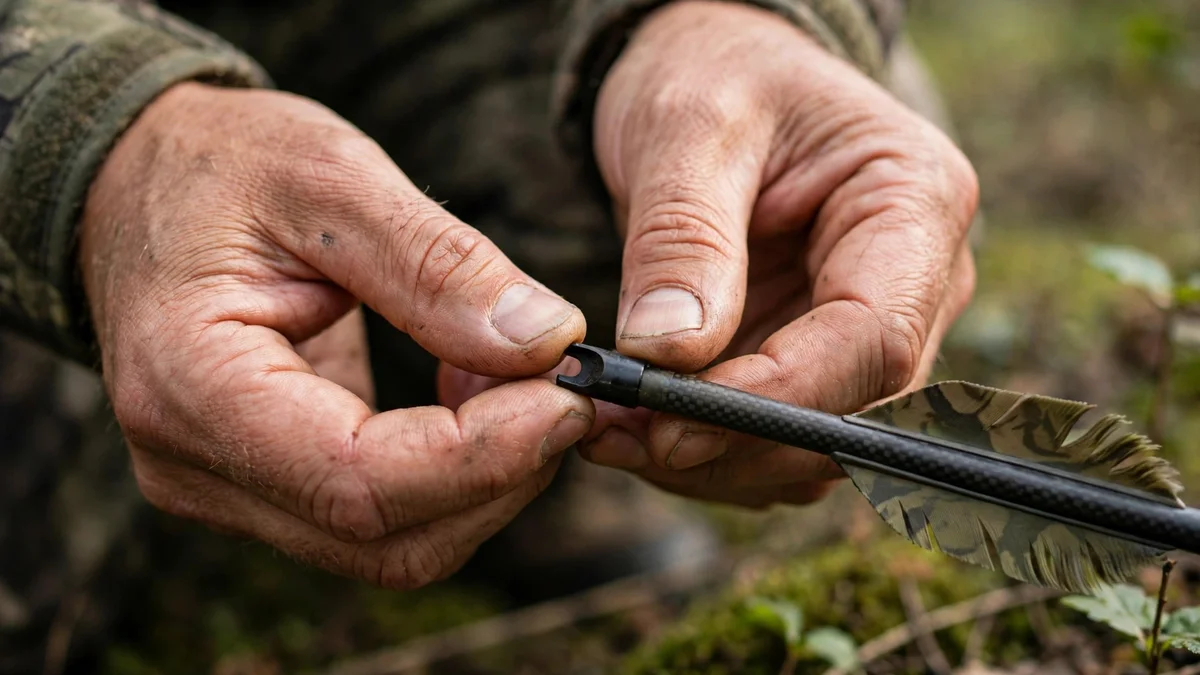
I am still learning this, and these are the mistakes I watch for in myself. First, buying the wrong nock shape for my bow, or buying a vertical bow nock for a crossbow. Check the manual, match the nock, and remember the Shift warning above. Second, sighting in with unlighted bolts and hunting with lighted ones. Sight in with the exact lighted bolts you will hunt with, and verify with a practice shot. Third, forgetting to turn the nock off after the shot, and finding a dead battery next time. Turn it off the moment you recover the bolt. Fourth, lighting the nock by accident while nocking in the dark. Seat the bolt firmly, do not shove it. Fifth, assuming the light fixes a bad shot or a bad tune. It shows you the shot. It does not fix it. Sixth, assuming legality from a 50 state list on the internet. Check the primary rule for your state, and the current season brochure, before you hunt.
Frequently Asked Questions
Do lighted nocks improve accuracy?
No. They do not tighten groups, and they do not make your bow more accurate. They improve visibility and recovery: you see the bolt in flight, you read where it hit, and you find the bolt after the shot. The old article on this site claimed increased accuracy, and that claim was false. A lighted nock shows you the shot. It does not steady your aim.
Do lighted nocks work on any crossbow?
No. You must match the nock to your bow. Flat, half moon, capture, and hybrid moon nocks are not interchangeable, and some bows use proprietary nocks, such as the TenPoint Alpha-Nock or the Ravin clip nock. The wrong nock can cause a misfire or a dry fire and break the string, cables, limbs, or cams. Always use the nock your crossbow manufacturer recommends, and check the manual for your exact model.
Is the Nockturnal Shift a crossbow nock?
No. The Nockturnal Shift, including the Shift FIT and Shift Universal, is a vertical bow nock. It fits vertical bow arrow shafts and weighs about 25 grains. It is not made for a crossbow. The crossbow models are the Nockturnal Launchpad and the Nockturnal Predator. The Shift is the most promoted Nockturnal line, so it is easy to buy by mistake. Buy the Launchpad or the Predator for a crossbow.
Are lighted nocks legal everywhere?
No, and I am not publishing a 50 state list here, because no 50 state primary sweep was done for this guide. Three states are verified from primary sources: Idaho is legal, Oregon is legal, and Colorado is legal with a condition, and crossbows are not legal during Colorado archery seasons anyway. Montana, Alabama, and Illinois are unverified from primary sources, so I do not state them as legal or illegal. Check your state wildlife agency current season brochure before you hunt.
How long do lighted nocks stay lit?
It depends on the brand. Nockturnal lasts about 20 plus hours. Lumenok lasts up to 40 hours. The TenPoint Alpha-Blaze lasts about 8 hours, and the newer Alpha-Blaze HPX lasts about 24 hours. A Firenock S style stayed lit after 60 hours in one field test, a test observation, not a manufacturer rating. No battery life figure was found for Ravin lighted nocks, so I am not publishing one. Turn the nock off after every shot to save battery, and remember that cold weather shortens battery life.
Can I reuse a lighted nock?
Yes, if the unit survives the shot and the battery can be replaced or still holds a charge. Lumenok models that use the replaceable battery can take a new battery. Sealed units, such as Nockturnal and the TenPoint Alpha-Blaze, cannot take a new battery, so you replace the whole nock when the battery dies. A dead battery means a normal nock, not a failed hunt, just no glow. Inspect every recovered nock for cracks before you reuse it.
Do I need to sight in again after switching to lighted nocks?
Yes. Sight in with the exact lighted bolts you will hunt with, and verify with a practice shot. A lighted nock weighs about 18 to 27 grains against about 6 to 13 grains for a standard nock, and that extra weight can move your point of impact. In one published field test, the lit bolt weighed 268.5 grains against 257.5 grains unlit, and the first two lit shots landed 2 inches left before a sight adjustment fixed it. Do not sight in with unlighted bolts and assume the lighted ones hit the same spot.
How much do lighted nocks cost?
Expect about $10 to $18 per lighted nock, or about $30 to $55 per 3 pack for crossbow models, versus a few dollars for a standard nock. A 3 pack covers three hunting bolts. The TenPoint Alpha-Blaze runs higher, about $45.99 to $54.95 per 3 pack for the original, and about $39.95 to $45.39 for the HPX. The honest value argument is the price of one lost bolt with a broadhead, which a lighted nock can save you by marking the spot.
What should I do if my lighted nock does not light?
First, check that the nock is seated firmly against the string, and that the switch is free to move. A nock that is not seated, or a switch fouled with dirt, may not fire. If it fails to light more than once, do not trust that nock again until you have found the cause. Hunt on with it as a normal nock, find the bolt by eye, and replace the nock or the battery after. A dead battery or a failed switch does not stop the bolt from flying.
For standard nocks as well as lighted ones, see the best crossbow nocks.
Keep Learning
- Crossbow Arrows Guide
- Best Crossbow Bolts 2026: How to Choose
- How to Sight In a Crossbow in 5 Steps
- Crossbow Safety Guide: How to Handle Every Bow Safely
- Crossbow Maintenance Guide: Keep Your Bow Shooting Like New
- Best Crossbows 2026: Tested Picks for Every Budget
- Barnett Whitetail Hunter Review
- Barnett Whitetail Pro STR Review
- Bow Draw Weight Explained
- Benefits of Archery and Bow Hunting
- Best Hunting Backpack