Barnett HyperTac 420 Review
Barnett HyperTac 420 Review
I have shot a lot of crossbows that promised 400 fps and delivered a mushy trigger, a dim scope, and groups that opened up past 30 yards. The HyperTac 420 is not one of those bows, and that is why it is still worth a serious look in 2026. It is a genuinely fast, genuinely accurate hunting crossbow with the best trigger I have found at this price, and it is still sold new direct from Barnett at about $600. It also carries the worst owner rating I have seen on a current Barnett product page, and the limb cracking reports behind that rating are the reason this review spends as much time on what can go wrong as on what goes right.
The Short Answer
Buy the HyperTac 420 if you want 420 fps class speed, a truly excellent trigger, and a narrow, adjustable, ready to hunt package for about $600, and you hunt mainly from a stand or a blind. The advertised speed is 420 fps with a 380 grain arrow, and the only instrumented test I found measured 408 fps with the package arrows, which is 12 fps, about 3 percent, below advertised. That same test measured a 3.0 lb trigger pull with no creep, and it shot sub 1 inch groups at 30, 40, and 50 yards off a bench rest. Those are real results, not marketing lines, and at about $600 they are strong value.
Do not buy it without reading the owner record first. The Barnett product page rates it 2.80 out of 5 from 35 reviews, which is low, and limb cracking is the dominant complaint in those reviews. Owners report limbs cracking after a few uses, and one owner sent the bow back twice for broken limbs. One longer term owner suggests it may have been a bad batch of limbs, but no batch dates or serial range were ever published, so I present that as an owner report, not as a confirmed batch defect. The bow is also heavy once it is dressed for the hunt, at 12.0 lb with scope, quiver, and arrows in the instrumented test, and it shoots only proprietary HyperFlite arrows, which owners report are expensive and not easy to find.
This is the best value speed bow Barnett sells right now, and it is also the Barnett bow with the most serious durability question hanging over it. If the trigger, the accuracy, and the $600 price win you over, buy it direct, inspect the limbs before every hunt, and keep spare HyperFlite arrows and nocks on hand. If the limb reports and the 2.80 out of 5 rating put you off, the guide to every Barnett model, tested hub has the alternatives, including the cheaper Whitetail Hunter II at about $370 and the faster Hyper Raptor T-Rex at about $1,200, and both are compared below.
Best Mid-Range Speed Value: HyperTac 420
Speed: 420 fps advertised | Price: ~$600 | Width cocked: 9.2 in
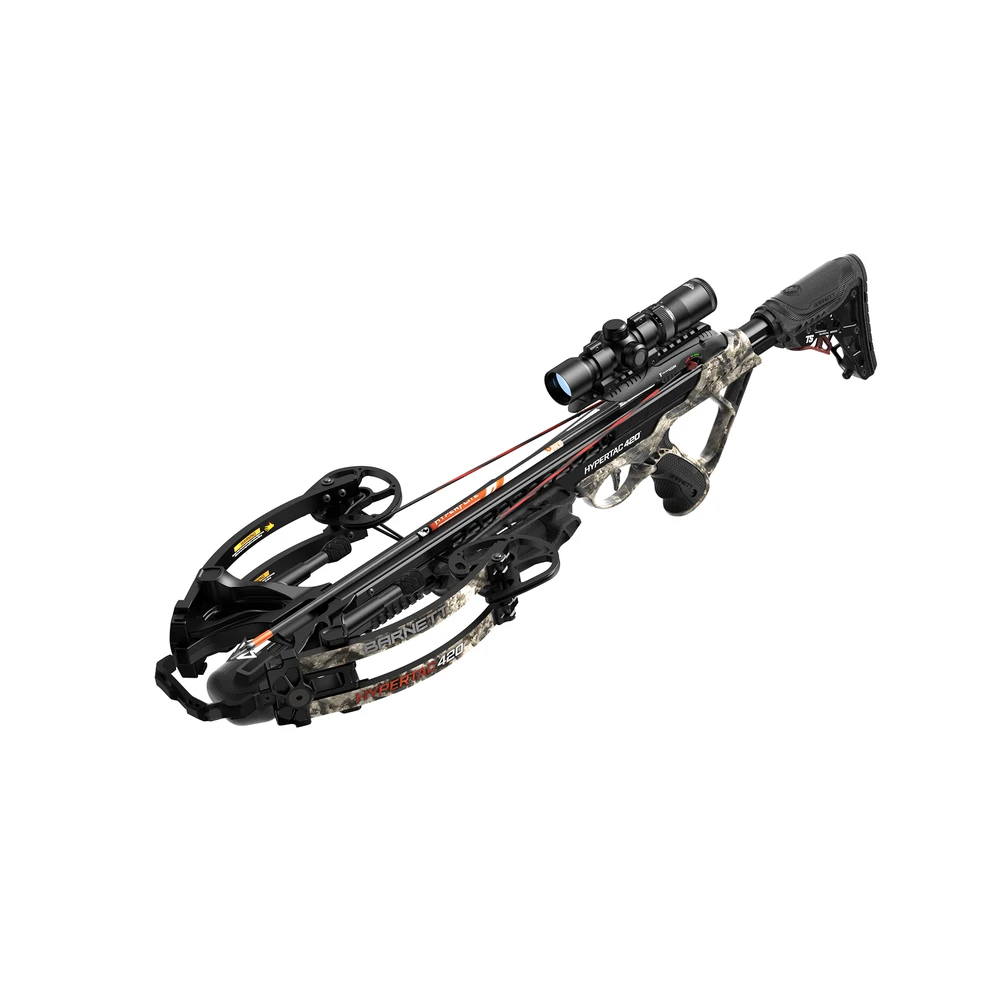
The HyperTac 420 sits in the middle of the Barnett Hyper line, and it is the only bow in this batch of reviews that is still sold new. That matters, because it changes what this review is. This is a current buy new review, not a used buying guide. You can order the rope package direct from Barnett today for $599.99, down from $899.99, and the page lists it as in stock. Third party new stock looks thin, with only a refurbished unit showing at one retailer and other listings out of stock or without a visible price, but the manufacturer direct channel is live, and that is the channel that counts.
The launch price tells the value story. When the bow launched in 2021, the rope package cost $799.99 and the version with the pre installed integrated crank cost $899.99. At about $600 today, you are paying $200 less than the launch rope price for the same bow, and $300 less than the crank version cost at launch. The instrumented test bow was the crank version, priced at $899.99 at the time of writing, and the tester still called it a mid range priced bow with a lot to offer. At about $600, that judgment is stronger, not weaker, provided you go in with your eyes open about the owner complaints.
One spelling note, because it matters for search. Barnett writes it HyperTac 420, with a capital T, a capital A, and a capital C. Many retailers and the old live article on this site write it Hypertac 420. I use the Barnett spelling throughout, and Hypertac appears here only as the search variant it is.
HyperTac 420 Specs
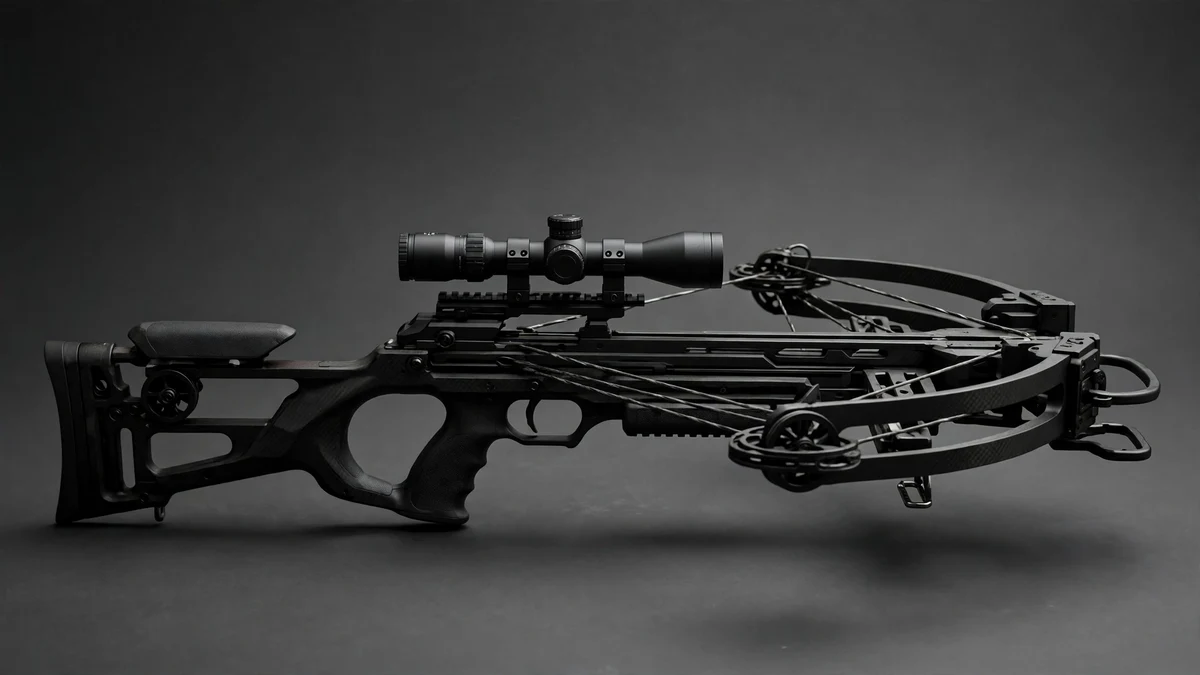
Every figure below is labelled advertised or tested. Where sources conflict, I flag the conflict in the notes column instead of quietly picking one number. The current Barnett page is the primary source for advertised figures, and the single instrumented test is the source for every tested figure.
| Spec | Figure | Notes |
|---|---|---|
| Speed, advertised | 420 fps with a 380 grain arrow | Barnett advertised figure, stated with the arrow weight every time it appears in this article |
| Speed, tested | 408 fps average with package HyperFlite arrows | Instrumented test, 10 shots, fastest and slowest discarded, average of remaining 8. 12 fps, about 3 percent, below advertised |
| Kinetic energy, advertised | 149 ft-lb | Barnett advertised figure. It checks out mathematically: a 380 grain arrow at 420 fps gives about 148.8 ft-lb |
| Kinetic energy, tested | Not published as a number | No tested KE figure was published. A derived estimate of about 149 ft-lb is possible only if the chronograph arrows carried the 100 grain points, which was not explicitly stated, so I do not present it as a measured result |
| Draw weight, advertised | 210 lb | Current Barnett page. The 2021 launch release said 200 lb, and the test bow measured 215 lb. See the conflicts section below |
| Draw weight, rope cocked | About 100 lb with the included rope cocking sled | The rope sled halves the effort. Against the launch 200 lb figure, the sled gives about 100 lb of pull |
| Draw weight, crank cocked | About 7 lb with the integrated crank | Crank version only, at launch. Current availability of the crank version was not verified, see below |
| Weight, bare, advertised | 7.6 lb | Current Barnett page. Older Barnett material said 7.9 lb. See the conflicts section below |
| Weight, full hunt dress, tested | 12.0 lb with scope, quiver bracket, quiver, and arrows | Weighed by the tester. This is the honest carry weight, use it when you judge this bow |
| Length, advertised | 32 in | Current Barnett page. Older figures run 33.75 in without stirrup and 35.87 in overall. See the conflicts section below |
| Axle to axle, cocked | 9.2 in | Current Barnett page, instrumented test, and launch release at 9.125 in all agree. The small differences are rounding, not a real conflict |
| Axle to axle, uncocked | 13.2 in | Measured in the instrumented test. One retailer lists 12 in, which conflicts. See below |
| Power stroke | 15.5 in | Consistent across every source checked |
| Trigger | TriggerTech, 3 lb, zero creep, Frictionless Release Technology, MIM trigger assembly | Advertised 3 lb. Tested 3.0 lb, broke cleanly, no creep. Matches advertised |
| Cocking | Rope cocking device included; integrated crank version sold at launch | Current Barnett page shows only the rope package, one variant, at $599.99. Crank version availability today is unverified |
| Scope | 1.5-5x32mm illuminated, red and green, speed compensating, multi circled reticle, speed ring 250-450 fps | Reticle range conflicts: Barnett says 20-70 yards, the instrumented test says 20-100 yards in 10 yard increments. See below |
| Arrows | Three 22 in HyperFlite .204 arrows, 100 grain field points | Only HyperFlite arrows may be used. .001 in straightness, 2.0 in Blazer vanes, aluminum outserts, aluminum capture style nocks |
| Finish | Mossy Oak Elements Terra Gila | Consistent across every source checked |
| Safety | Anti-Dry Fire trigger system, auto engaging safety, nock sensors, Soft Lok floating bristle arrow retainer | Advertised. The safety engages automatically when the bow is cocked |
| Rail and stock | CNC machined aluminum flight track, three Picatinny rails, adjustable butt stock, micro adjustable length of pull and cheek piece, flip down Verti-Grip, pass through forend, integrated step through foot stirrup | Advertised. Shipped fully assembled, single bolt assembly |
The Spec Conflicts, Flagged Honestly
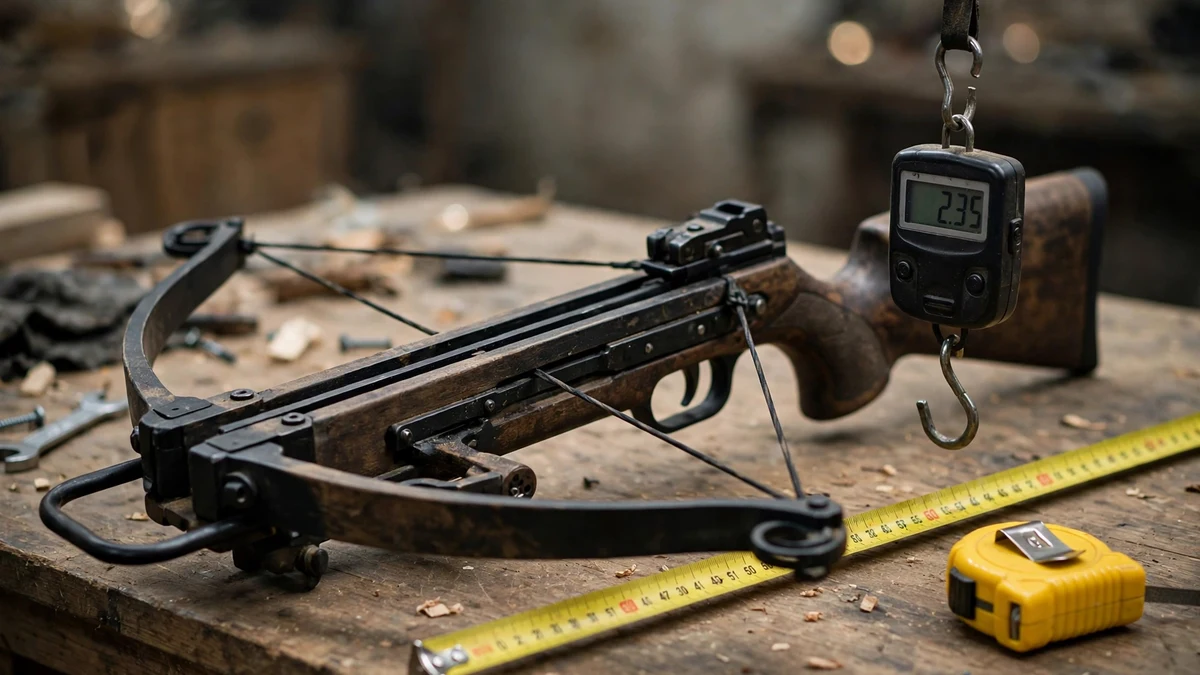
A review that hides spec conflicts is not a review, so here are the five that matter, in one place, with no smoothing over.
First, bare weight: 7.6 lb on the current Barnett page against 7.9 lb in the 2021 launch release, the instrumented test, and retailer listings. I use 7.6 lb as the current advertised figure, and I note that older Barnett material said 7.9 lb. Either way, the number that matters for hunting is neither of these. It is the 12.0 lb tested full hunt dress weight, and that is the figure I use whenever this article talks about carrying the bow.
Second, length: 32 in on the current Barnett page against 33.75 in without stirrup in the 2021 launch release, and 35.87 in overall and 35.9-38.4 in adjustable in retailer and test material. Barnett does not explain what the 32 in figure includes or excludes, and I will not invent an explanation. The 32 in figure likely excludes the adjustable butt stock extension or the stirrup, but that is a guess, and I label it as one.
Third, draw weight: 210 lb on the current Barnett page against 200 lb in the 2021 launch release, and 215 lb measured on the test bow. I use 210 lb as the current advertised figure and note that the test bow measured 215 lb. The old live article on this site made this worse by saying 210 lb in its spec panel and 185 lb in its first FAQ answer. The 185 lb figure belongs to the Barnett Ghost 420, a different model, and that FAQ answer was simply wrong. It is gone from this rewrite.
Fourth, uncocked width: 13.2 in measured in the instrumented test against 12 in in one retailer listing. I use 13.2 in as the tested figure and flag the 12 in figure as a conflict. Cocked width, at 9.2 in, is not in dispute: the current page, the test, and the launch release all agree within rounding.
Fifth, scope reticles: Barnett says 20-70 yards, and the instrumented test describes nine illuminated reticles calibrated 20-100 yards in 10 yard increments. I flag both and do not pick one as settled. The same honesty applies to the penetration claim. Barnett marketing says a 22 percent penetration increase over standard arrows, and the instrumented test quotes Barnett at 25 percent deeper than the competition. Those are two different advertised percentages, and neither is a measured result. What the tester actually observed was its test arrows out penetrating other arrows by 3-4 inches in its own comparison, and that observation, not a percentage, is what I report.
Speed: 420 fps Advertised, 408 fps Tested
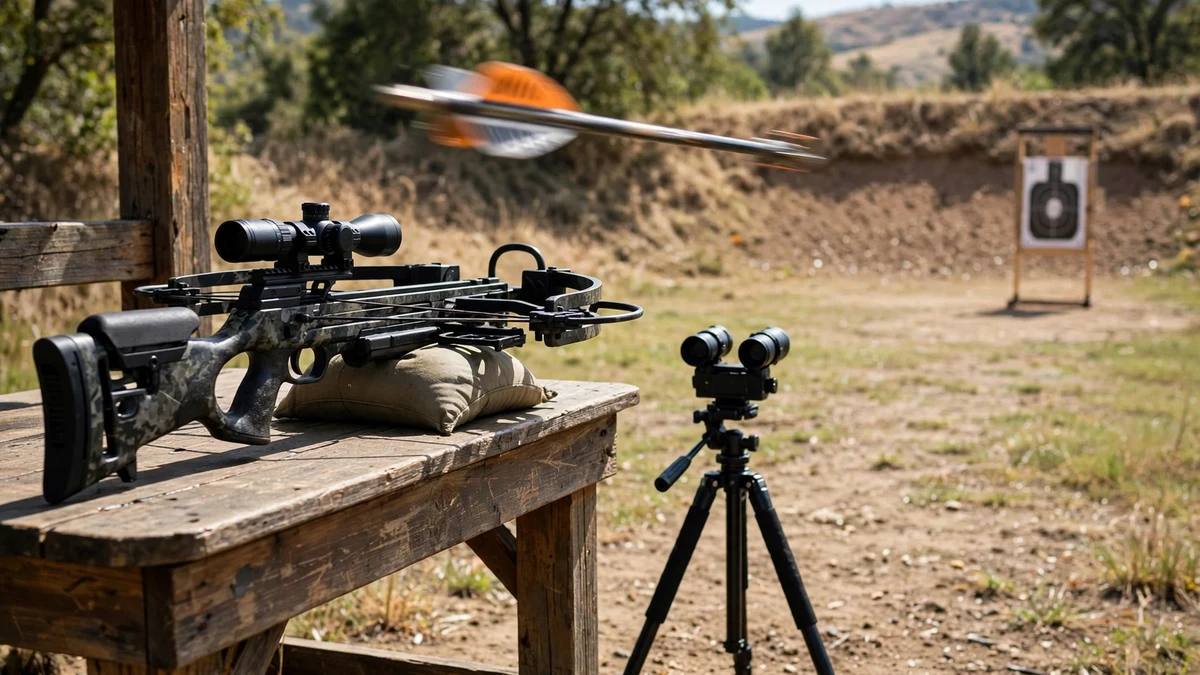
The advertised speed is 420 fps with a 380 grain arrow, and Barnett states the arrow weight in its own footnote, which is the honest way to advertise speed. The only instrumented test I found put the bow through a chronograph properly: 10 shots, fastest and slowest discarded, average of the remaining 8, with the package HyperFlite arrows. The result was 408 fps average. That is 12 fps, about 3 percent, below advertised.
Three percent is a small gap, and it is the kind of gap I expect when a manufacturer tests with a light 380 grain arrow and a tester shoots the heavier package arrows. The package arrows weighed 304 grains with no points installed, so about 404 grains with the 100 grain point fitted, which is 24 grains heavier than the advertised test arrow. Heavier arrows fly slower, and that alone explains most of the 12 fps difference. I do not treat the 408 fps figure as a failure. I treat it as the honest number, and it is the number I use whenever this article talks about what the bow actually does. At 408 fps, the HyperTac 420 is still fast enough for deer sized game at normal hunting ranges, and it is still 58 fps faster than the Whitetail Hunter II at 350 fps advertised.
The advertised kinetic energy is 149 ft-lb, and it checks out mathematically, since a 380 grain arrow at 420 fps gives about 148.8 ft-lb. No tested KE figure was published, so I do not invent one. A derived estimate of about 149 ft-lb is possible from the 408 fps test speed and the roughly 404 grain package arrow weight, but it depends on the assumption that the chronograph arrows carried the 100 grain points, which was not explicitly stated. I mention the calculation here, labelled as a calculation, and I do not use it as a tested figure anywhere else in this article. If you want the full energy story for crossbows in general, the guide to the top tested bows guide explains how arrow weight changes both speed and energy.
The Trigger Is the Best Feature on the Bow
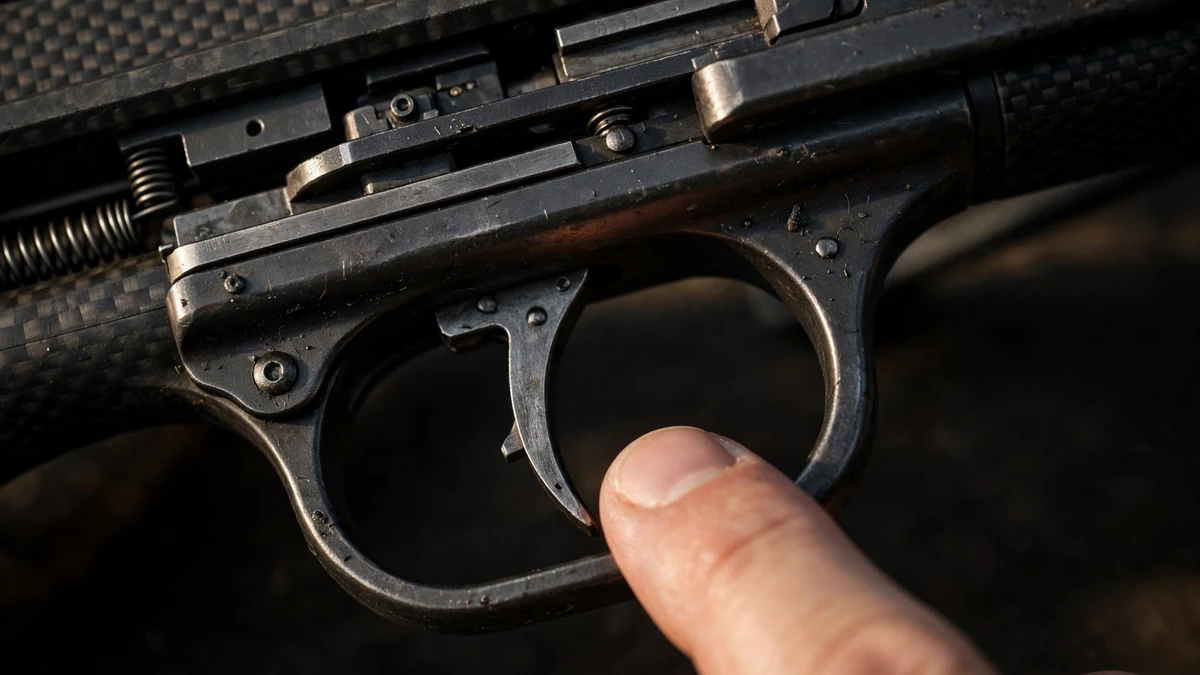
If there is one reason to buy the HyperTac 420 over a cheaper fast bow, it is the trigger. Barnett fits a TriggerTech trigger with Frictionless Release Technology and a metal injection molded trigger assembly, advertised at 3 lb with zero creep. The instrumented test measured it properly, with 10 pulls, highest and lowest discarded, average of the remaining 8, and the result was 3.0 lb, breaking cleanly with no creep. The tester called it an outstanding trigger, and I agree with that judgment on the evidence.
A 3.0 lb trigger with no creep matters more than 12 fps of speed. It is the difference between a shot that breaks exactly when you mean it to break and a shot that you have to drag through a gritty, heavy pull while your sight picture drifts. At 40 yards, a clean 3 lb break is worth more than a fast bow with a bad trigger, and it is the single feature that lifts this bow above the budget speed bows in its class. The Boss 405, at about $330, is nearly as fast on paper, but it does not have this trigger, and no tested speed exists for it either. The trigger is also the feature no owner complained about. In all the owner feedback I checked, the trigger drew praise and no complaints, which is rare for any crossbow at this price.
Learn the trigger before you hunt with it. A 3 lb trigger is light, and a light trigger with cold hands or gloves demands respect. Read the safety basics every hunter should know and practice with the exact broadheads you will hunt with, from the position you will hunt from, before the season opens.
Accuracy: Sub 1 Inch Groups at 30, 40, and 50 Yards
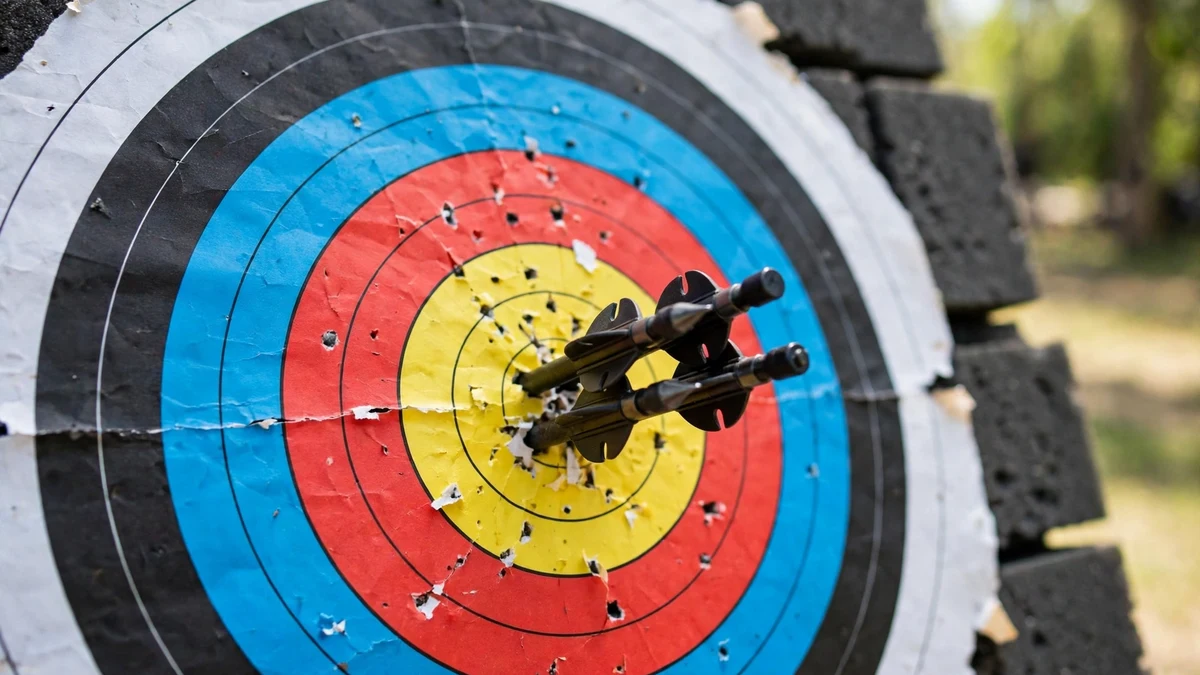
The accuracy test is the strongest evidence in this review, and it is the reason I take the HyperTac 420 seriously as a hunting bow rather than a spec sheet bow. The tester shot five groups of three arrows at 30 yards off a bench rest, then repeated the same test at 40 and 50 yards, and the bow consistently held sub 1 inch groups at all three distances. The tester called that outstanding, and I agree. A sub 1 inch group at 50 yards from a $600 package bow is a real result, and it is the kind of result that makes 40 yard hunting shots feel comfortable rather than hopeful.
Be honest about what was not tested. No 60, 80, or 100 yard group was published, and no group average in inches beyond sub 1 inch was published. Do not let any page tell you this bow groups at 100 yards, because no published test says that. The scope reticles are marked to 70 yards on the Barnett page and to 100 yards in the test description, and that conflict is flagged above, but a reticle marking is not a group size. Your ethical range is the distance at which you can put every practice shot into a 6 inch vital circle from a hunting stance, under pressure, and for most hunters that is 40 yards or less, whatever the bow can do off a bench rest.
One owner report I will not use, because it belongs to a different bow, is worth naming so you know why it is absent. A widely syndicated review text claims dead center hits at 20, 30, 40, and 50 yards and two deer taken in a season, and recommends the Barnett Ghost 420 by name. That is the Ghost 420, not the HyperTac 420, even though it appears on pages returned for HyperTac 420 searches. I do not use its group claims, its deer kills, or its recommendation for this bow, and no invented hunt incidents appear anywhere in this review.
Scope and Arrows: Good Glass, Proprietary Bolts
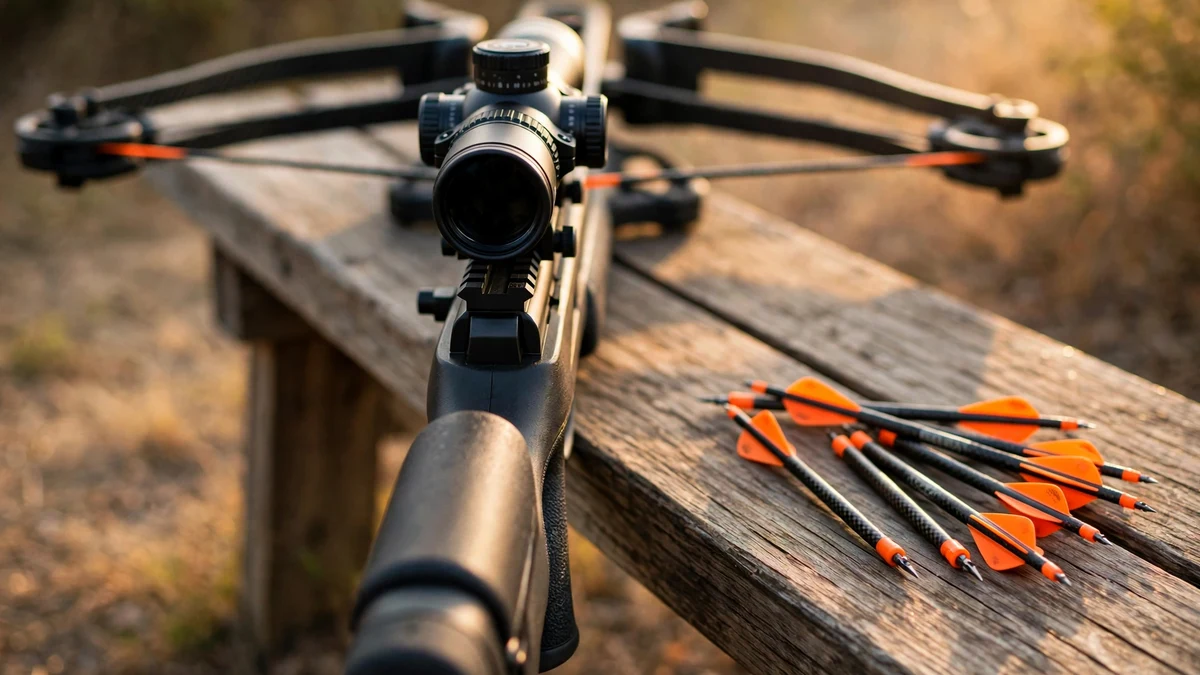
The package scope is a 1.5-5x32mm illuminated scope, red and green, speed compensating, with a multi circled reticle and a speed ring covering 250-450 fps. The tester found the optics very clear and the illumination very bright, and owners praise the illuminated scope as a major consideration for low light conditions. That matches my own view: an illuminated reticle is a real advantage at first and last light, when the deer you are waiting for finally steps out and the light is already going. If you want to understand scope choices more broadly, the guide to picking a scope guide covers what matters and what does not.
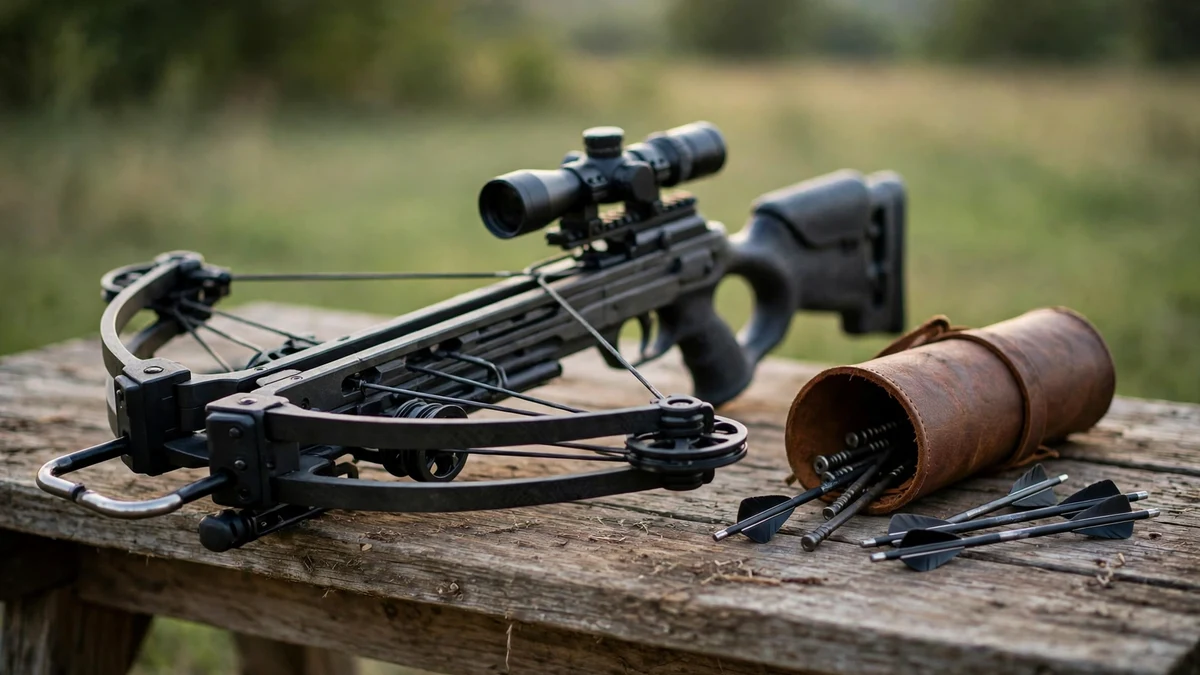
The arrows are the catch, and you need to understand them before you buy. The bow shoots only HyperFlite .204 small diameter arrows, 22 inches long, with 100 grain field points, .001 inch straightness, 2.0 inch Blazer vanes, aluminum outserts, and aluminum capture style nocks. Three are included in the package. Only HyperFlite arrows may be used, and that restriction is not a suggestion. The small diameter arrows are the reason for the penetration the tester observed, with its test arrows out penetrating other arrows by 3-4 inches, and they are also the reason the bow is expensive to feed.
Owners report that HyperFlite arrows are expensive and not easy to find, and that the aluminum nocks can bend or compress from the downward force of the string. One owner reports about 20-25 shots per nock before replacement is needed for a practice shooter, and that replacement nocks are not readily or easily available, or cheap. That is a single owner report, so I present it as one owner’s experience, not as a measured wear rate, but it is consistent with the wider complaint that this bow costs more to shoot than a bow that takes standard arrows. Buy spare arrows and spare nocks when you buy the bow, not after you bend your last nock on a Saturday afternoon. The guide to replacement arrows guide explains bolt sizing, but remember that this bow takes HyperFlite arrows only, and standard bolts are not a substitute.
Cocking, Fit, and Handling
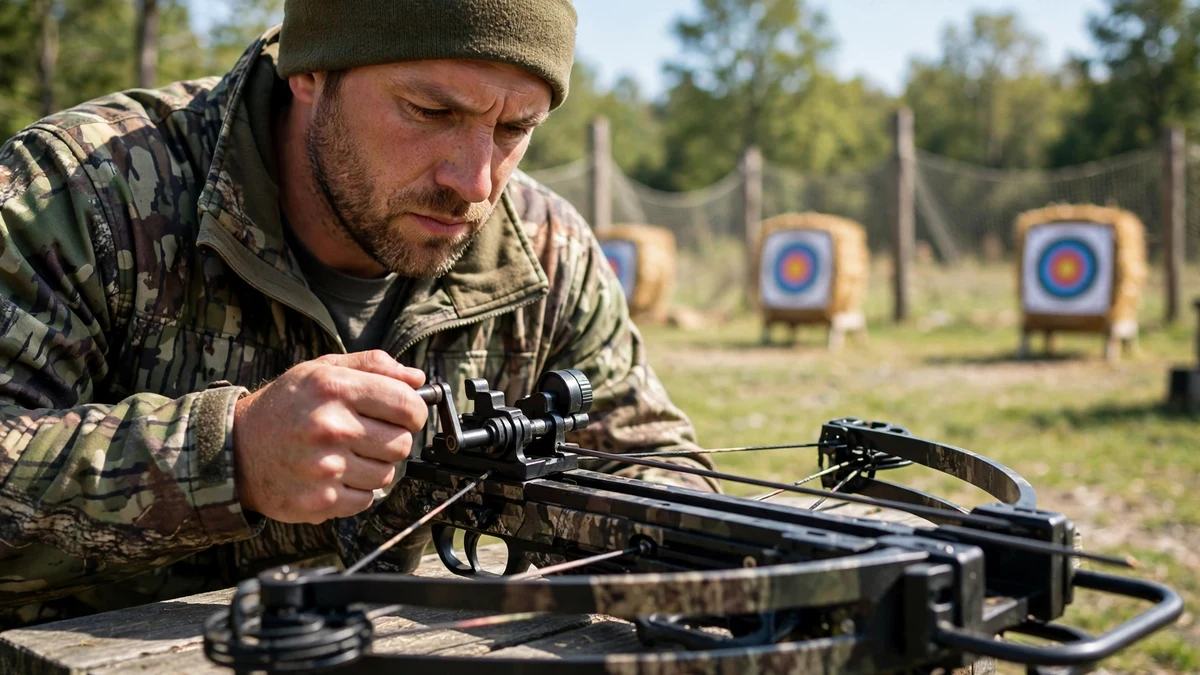
The current Barnett page shows only one variant: the rope package at $599.99, with a rope cocking device included. The rope sled halves the cocking effort, so a 210 lb draw becomes about 100 lb of pull with the sled. That is still real work, and it is the reason I do not call this bow obviously beginner friendly. A 210 lb draw is heavy, and rope cocking it at about 100 lb is a serious pull for a smaller or weaker shooter. Read how to cock one safely and the guide to cocking devices compared guide before your first session, and practice the cocking routine at home, not in the dark on opening morning.
The crank version is the answer for a shooter who cannot comfortably rope cock 210 lb. At launch, the pre installed integrated crank cocking device cost $899.99 against $799.99 for the rope package, it released with a push button handle, it was integrated into the stock, and it dropped the cocking effort to about 7 lb, reducing cocking tension by as much as 93 percent. The instrumented test bow had the integrated crank fitted. But the current Barnett page shows only the rope package, and current availability of the crank version was not verified. I will not tell you it is available today, or at what price, because no source I checked confirms that. If the crank is the reason you would buy this bow, check with Barnett before you order, and do not assume the rope package can be upgraded later.
Fit is where the HyperTac 420 earns its keep. The tactical style butt stock is micro adjustable for length of pull and cheek piece, the forend is a pass through design with a multi position pistol grip, the flip down Verti-Grip gives an AR style hold, and the rubber over molded grips have a finger guard. The tester found the bow very well balanced, comfortable, and adjustable, with every touch point customizable, and felt no vibration at the shot. The stock also has an integrated step through foot stirrup in the riser, and the rail is a CNC machined aluminum flight track with three Picatinny rails and monopod compatibility. The bow ships fully assembled, with single bolt assembly, so there is no build session standing between you and the range. The tester noted the bow has a little weight to it, which is honest, and the 12.0 lb full hunt dress weight in the next section is the number behind that remark.
Weight: 7.6 lb on Paper, 12.0 lb in the Woods
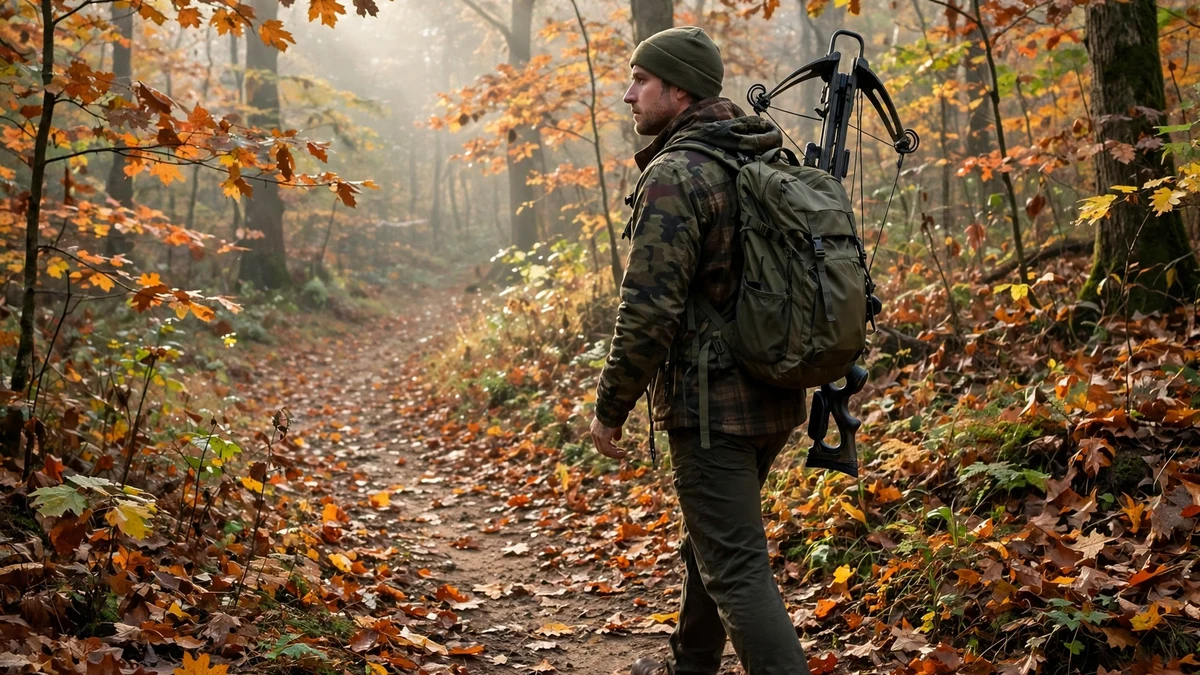
The old live article on this site said the HyperTac 420 weighs just under 7 pounds. That is wrong under every source I checked. The current Barnett page says 7.6 lb bare, older Barnett material said 7.9 lb bare, and the instrumented test weighed the bow at 12.0 lb in full hunt dress, with scope, quiver bracket, quiver, and arrows. Twelve pounds is the honest carry weight, and it is the number you should judge this bow by.
Twelve pounds is heavy for a bow you carry on foot. It is acceptable for a hunter who walks a short distance to a stand or a blind and then sits, and it is a real burden for a hunter who still hunts all day, covering ground with the bow in hand. The bow is narrow when cocked, at 9.2 in axle to axle, which helps in a tight blind or a treestand, and the adjustable stock and Verti-Grip help you carry and hold it comfortably, but no stock adjustment makes 12 lb into 8 lb. If you walk long distances, look at the Whitetail Hunter II at 6.4 lb bare in the comparison below, and accept the speed you give up for the weight you save. If you hunt from a stand or a blind, the HyperTac 420 weight is a fair trade for the speed, the trigger, and the scope, and the tester called it well balanced for exactly that kind of hunting. A sling is the one accessory the tester recommended adding, along with broadheads, and I agree: no component needs upgrading, add a sling and broadheads and it is ready for the field.
What Is in the Box
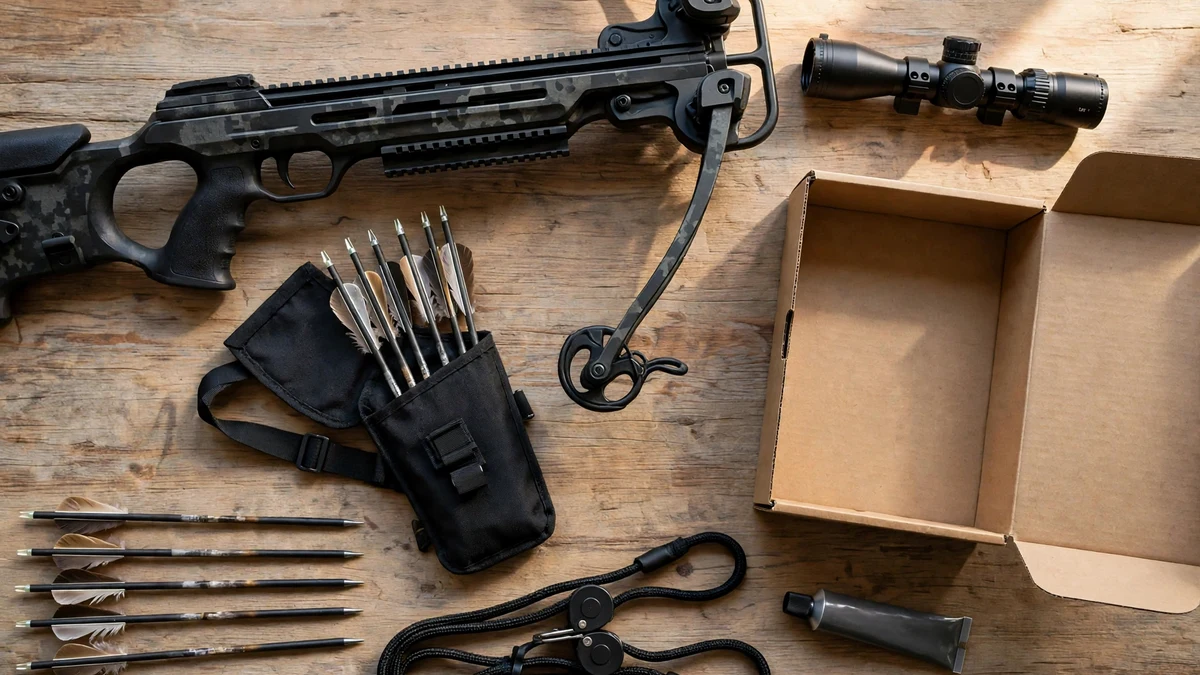
The rope package includes the bow in Mossy Oak Elements Terra Gila, the 1.5-5x32mm illuminated scope, a three arrow quiver, three 22 inch HyperFlite arrows with 100 grain field points, the rope cocking device, and lube wax. The bow ships fully assembled in double encased cardboard packaging, and assembly is a single bolt. That is a complete ready to hunt package in the sense that you can sight it in and hunt with it, but three arrows is a thin supply for a bow whose arrows are expensive and hard to find, and the tester recommended adding a sling and broadheads, which are not in the box. Budget for spare arrows, spare nocks, broadheads, and a sling on top of the $599.99 bow price. The guide to hunting broadheads guide and the guide to quivers for your bolts guide will help you pick those, and the guide to keeping a bow shooting well covers the string wax and rail lube routine that keeps any crossbow shooting well.
One thing I could not verify, and will not state as fact, is the warranty. No warranty length or terms were verified for this model in the sources I checked. A retailer listing for a refurbished unit mentions a 5 year limited warranty, but that is a retailer statement about a refurbished bow, not a verified Barnett warranty for a new bow. Check the warranty with Barnett before you buy, and keep your receipt.
I also could not verify a safe de-cocking procedure for the rope version, and I will not repeat the old live article claim that the bow cannot be un-cocked except by firing it. That claim had no source, and whether the rope version can be safely de-cocked without firing was not verified in any source I checked. Learn the de-cocking method for your exact package from the Barnett manual, and never dry fire the bow. The safety system itself is well specified: an Anti-Dry Fire trigger system, an auto engaging safety that moves to safe when the bow is cocked, nock sensors, and a Soft Lok floating bristle arrow retainer that holds the arrow on the rail.
Owner Feedback: Honest, With Sample Sizes

The owner picture for the HyperTac 420 is mixed and thin, and I report it that way instead of picking the flattering number. The Barnett product page rates the bow 2.80 out of 5 from 35 reviews, which is low, and that rating must be in any honest review. A second retailer rating runs the other way, at 4.5 out of 5 from 12 reviews, but no review texts were retrieved from that page, so the reasons behind that score are unverified. I present both ratings with their sample sizes, and I say plainly that the owner evidence is limited.
What owners praise is consistent with the test results. Owners call it a fun bow to shoot and say they love how it feels overall, they praise the illuminated scope for low light conditions, and they praise the trigger and the accuracy in general terms. The instrumented test backs the trigger and the accuracy praise with measured numbers, so those themes are credible even though the owner sample is small.
What owners complain about is more specific, and it is the part of this review that matters most. Limb cracking is the dominant complaint on the Barnett product page, and the next section covers it in full, with the owners words. Beyond the limbs, owners complain that the proprietary HyperFlite arrows are expensive and not easy to find, that the aluminum nocks can bend, and that one owner waited more than two months for a repair return. No owner in the excerpts I retrieved complained specifically about weight, but the 12.0 lb tested hunt dress weight is the honest counterweight to the lightweight marketing language, and it stands on its own without an owner complaint behind it.
Limb Cracking: The Complaint You Must Read
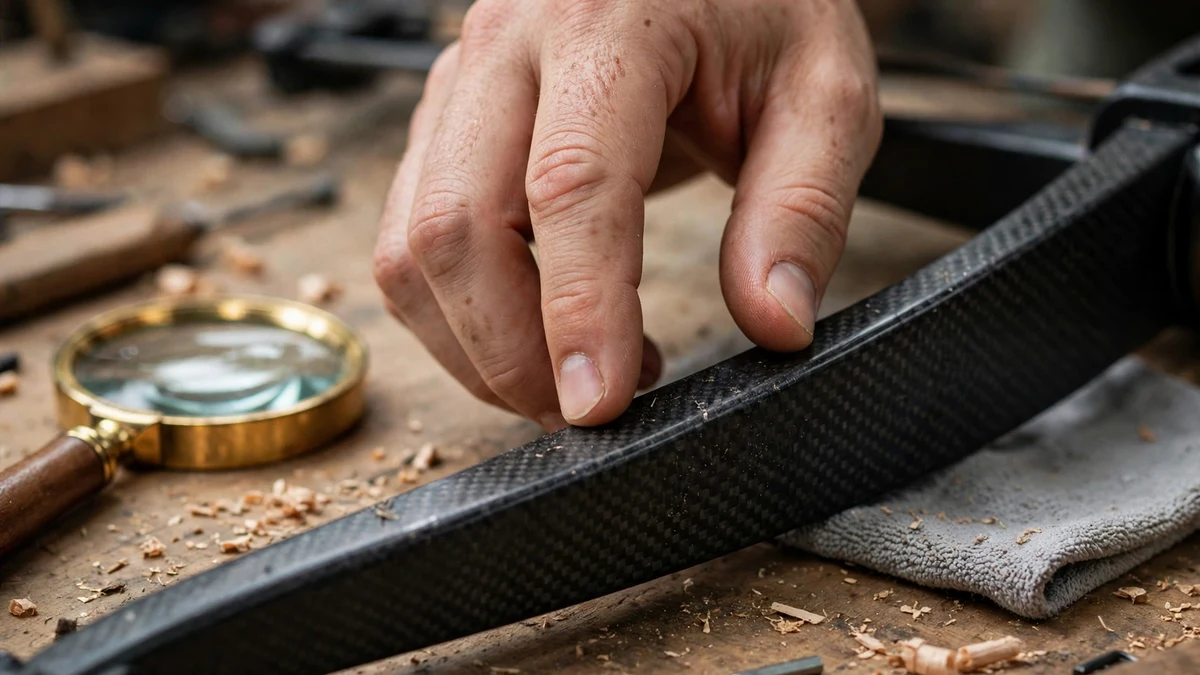
Limb cracking or breaking is the dominant complaint on the Barnett product page, and I quote the owner reports rather than paraphrasing them into something softer. One owner wrote that limbs will bust if you sit in a stand longer than 8 hours without shooting or de-cocking, that they sent the bow back twice for broken limbs, that arrows are not easy to find or cheap, and that the arrow is now floating on the end and will not group at all. Another owner wrote that after five uses for hunting they got cracks on the left limb, and that they cannot recommend the bow. A third wrote that the bow bends nocks after a few shots and that Barnett does nothing about it.
One longer term owner offers a different reading, writing that others seem to have had a bad batch of limbs but that they have not experienced it with theirs after several years. That suggests a possible batch issue rather than a universal defect, but no batch dates or serial range were found, so I present it as an owner report, not as a confirmed batch defect. There is no failure rate in the evidence I checked, no measured percentage of bows affected, and no statement from Barnett about the cause. Do not let any page give you a failure rate for this bow, because none exists in the published evidence.
What you can do with this information is practical. Inspect the limbs before every hunt, and inspect them again after the bow has sat cocked in a stand for hours. Look for cracks, splinters, or any change in how the limbs look or sound. If you find a crack, stop shooting the bow and contact Barnett. Do not keep shooting a bow with a cracked limb, and do not assume a small crack will stay small. The repair service complaint on record is also worth knowing: one owner sent a HyperTac 420 in for repair in August 2022 and, by November 2022, still had no return, only repeated replies that the repair was being worked on. That is a single report, and I present it as one owner’s experience, but it is the only repair timeline in the evidence, and a buyer should know it before they need a repair themselves.
HyperTac 420 Pros and Cons
Pros
- Genuine 420 fps class speed, tested at 408 fps with package arrows
- Outstanding TriggerTech trigger, 3.0 lb measured, zero creep, clean break
- Sub 1 inch groups at 30, 40, and 50 yards in the only instrumented test
- Very narrow when cocked, 9.2 in axle to axle, good for stands and blinds
- Strong package scope, 1.5-5×32 illuminated, clear optics, bright illumination
- Adjustable fit, micro adjustable length of pull and cheek piece, flip down Verti-Grip
- Deep penetration from small diameter HyperFlite .204 arrows, test arrows out penetrated others by 3-4 inches
- Current price about $600 direct from Barnett, down from $899.99
- Ready to hunt out of the box, shipped fully assembled, quiver, three arrows, and rope cocker included
Cons
- Limb durability reports, multiple owners report cracked or broken limbs, including after as few as five uses in one report
- Heavy in full hunt dress, 12.0 lb with scope, quiver, and arrows, against a 7.6-7.9 lb bare figure
- Heavy draw, 210 lb advertised, 215 lb measured on the test bow, rope sled halves it but it is still real work
- Proprietary arrows only, HyperFlite arrows are expensive and not easy to find, only three included
- Nock wear, one owner reports about 20-25 shots per nock, with replacements not readily available or cheap
- Tested speed 12 fps below advertised, 408 vs 420 fps, small but honestly labelled
- Owner rating on the Barnett site is low, 2.80 out of 5 from 35 reviews
- Repair service complaint on record, one owner waited more than two months for a repair return
- Crank version availability unverified, current Barnett page lists only the rope package
- No published noise figure, so I cannot claim it is quiet or loud
HyperTac 420 vs the Rest of the Barnett Line
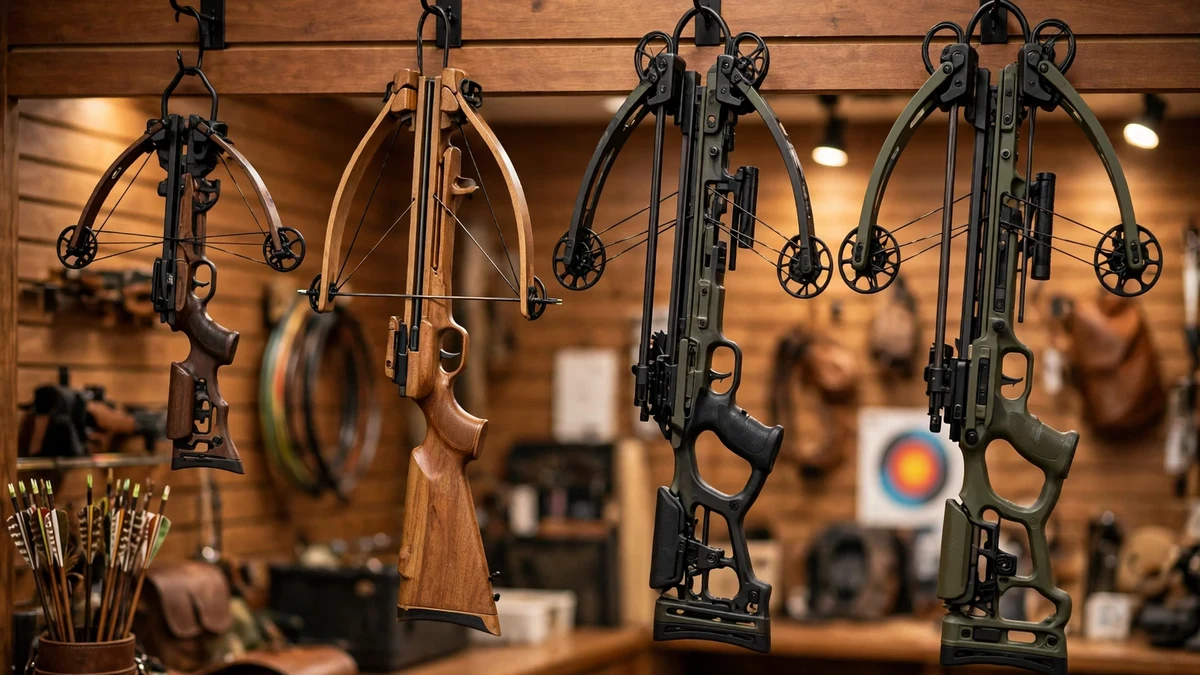
A single bow review is only useful if it tells you what to buy instead, so here are the three Barnett alternatives that matter, built from site verified figures, with advertised and tested labels kept apart.
Vs Barnett Hyper Raptor T-Rex, about $1,200
The T-Rex is the step up inside the Barnett Hyper line. It advertises 440 fps against 420 fps for the HyperTac 420, and it tested at 423 fps with a 399 grain arrow against 408 fps tested for the HyperTac 420. That is a 15 fps tested gap, smaller than the 20 fps advertised gap. On energy, the T-Rex advertises 163 ft-lb with the arrow weight unstated, and calculates to 171.08 ft-lb from its test, against 149 ft-lb advertised for the HyperTac 420 with a 380 grain arrow. The T-Rex is the harder hitting bow by about 14-22 ft-lb, depending on which T-Rex figure you use, and I flag both figures rather than picking one.
On weight, compare like with like. The T-Rex is 8.2 lb bare against 7.6 lb current advertised for the HyperTac 420, but its tested weight is 9.2 lb, far lighter than the HyperTac 420 hunt dress weight of 12.0 lb, so the T-Rex is heavier bare and lighter as tested, and I say so plainly. On width, the T-Rex is narrower when cocked, at 7.25 in against 9.2 in. On price, the T-Rex costs about $1,200 against about $600 for the HyperTac 420, so the HyperTac 420 is about half the price for about 97 percent of the tested speed, 408 vs 423 fps.
Buy the HyperTac 420 if budget matters and 408 fps tested is enough, which it is for deer at normal ranges. Buy the T-Rex if you want the fastest Barnett Hyper bow, the narrowest cocked width, and the most energy, and you are willing to pay about double for about 15 fps and about 14-22 ft-lb more energy. If you want the full comparison, the guide to the top tested bows guide puts both bows in context with the rest of the market.
Vs Barnett Whitetail Hunter II, about $370
The Whitetail Hunter II is the budget Barnett, and it is the honest alternative for a buyer who is put off by the limb reports or the proprietary arrows. It costs about $370 against about $600 for the HyperTac 420, it shoots 350 fps against 420 fps advertised, 408 fps tested, it draws 150 lb against 210 lb, and it weighs 6.4 lb bare against 7.6-7.9 lb bare and 12.0 lb in full dress. It is lighter, much easier to cock, cheaper, and it uses standard arrows rather than proprietary HyperFlite arrows.
What you give up is real. The HyperTac 420 is 58-70 fps faster, it hits harder at 149 ft-lb advertised, it has a far better scope in the 1.5-5×32 illuminated speed compensating optic, it has the TriggerTech trigger, and it is narrower when cocked. I do not give a cocked width for the Whitetail Hunter II, because it is unverified, and I do not use the 13.25 in figure that appears in some listings, because that figure belongs to the Lady Whitetail Hunter II, a different model. I also do not give a KE figure for the Whitetail Hunter II, because none was supplied in the verified figures, and I will not invent one.
Buy the Whitetail Hunter II if budget, weight, easy cocking, and simple standard arrows matter most, and 350 fps is enough for the deer hunting you do. Buy the HyperTac 420 if you want a large step up in speed, energy, trigger, and optics, you accept the 210 lb draw and the proprietary arrows, and you have about $230 more to spend. The guide to bows that punch above their price guide and the best crossbows under 500 dollars guide both cover the budget end of this choice in more detail.
Vs Barnett Boss 405, about $330
The Boss 405 is cheaper still, at about $330, with 405 fps advertised only, a 220 lb draw, and about 6.7 lb bare weight. On paper it is nearly as fast as the HyperTac 420 for about half the money, but its advertised speed is unverified by any test I found, and it is a different platform without the HyperFlite system, the TriggerTech trigger, or the 1.5-5x illuminated scope. Mention it only as a budget speed alternative with that caveat, and do not present it as equal to the HyperTac 420. It is a paper speed figure against a tested 408 fps, a tested 3.0 lb trigger, and sub 1 inch groups at 50 yards, and those tested results are worth the price difference for a hunter who wants proof rather than a promise. The best crossbow under 300 dollars guide covers the cheapest end of the market if your budget is truly tight.
Vs Barnett HyperTac Pro 430
The Pro 430 is the direct successor step inside the HyperTac line: 430 fps advertised, 230 lb draw, 156 ft-lb KE, 14.25 in power stroke, 9.125 in axle to axle, 37 in length, TriggerTech trigger, the same 1.5-5×32 illuminated scope, and an integrated crank as standard. It was listed at $799.99 on sale in September 2023. Compared with the HyperTac 420, the Pro 430 gives 10 fps more advertised, 7 ft-lb more KE, a shorter power stroke, and a crank included as standard.
At the current HyperTac 420 direct price of about $600, the 420 is the value pick and the Pro 430 is the pick for a buyer who wants the crank included and the extra 10 fps. But current Pro 430 availability and price were not verified in this research, so I do not state a current Pro 430 price, and you should check it before you decide. A newer model, the Barnett XPX 420, was mentioned in trade coverage as new for 2026, with 420 fps and a built in crank, but it was not researched here, so I do not present it as a verified alternative. Check it before you buy, and treat it as a model to research, not as a recommendation.
Who the HyperTac 420 Is Best For
Best for a hunter who wants 420 fps class speed, a genuinely excellent trigger, and a narrow, adjustable, ready to hunt package at about $600, who hunts mainly from a stand or a blind where a 12 lb full dress weight is acceptable, and who is comfortable buying proprietary HyperFlite arrows. It is also a good fit for a shooter who values the illuminated 1.5-5x scope for low light shots, and for a hunter who wants a bow that is ready to hunt out of the box with no component upgrades needed.
Not best for a hunter who walks long distances with the bow carried, since 12 lb in full dress is heavy for that kind of hunting. Not best for a smaller or weaker shooter who would struggle with a 210 lb rope cocked draw, since the crank version would be the answer but its current availability is unverified. Not best for a buyer who wants cheap and widely available arrows, since this bow shoots HyperFlite arrows only. And not best for a buyer who is put off by the limb cracking reports and the 2.80 out of 5 owner rating on the Barnett site. That buyer should look at the Whitetail Hunter II, which is cheaper, lighter, and simpler, or step up to the Hyper Raptor T-Rex, which is faster and narrower but costs about twice as much. If you are new to crossbows altogether, read the guide for new hunters starting out guide before you spend anything, and if you hunt mainly for the table, the guide to treestand hunting bows guide is the next step.
Bottom line: Should You Buy the HyperTac 420?
Bottom line: yes, if you want the most tested performance per dollar Barnett sells right now, and you go in with your eyes open. The HyperTac 420 gives you 408 fps tested, a 3.0 lb TriggerTech trigger with no creep, sub 1 inch groups at 30, 40, and 50 yards, a clear illuminated 1.5-5x scope, and a narrow 9.2 in cocked width, all for about $600 direct from Barnett, in stock, with $300 off the $899.99 list price. No other Barnett bow at this price has a tested record that strong, and the value case is real.
The price of that value is the owner record. A 2.80 out of 5 rating from 35 reviews is low, limb cracking is the dominant complaint, the bow weighs 12.0 lb dressed for the hunt, and it shoots only proprietary arrows that are expensive and hard to find. Those are not footnotes. They are the reason this review is long, and they are the reason I tell you to inspect the limbs before every hunt, buy spare arrows and nocks with the bow, and check the crank version and the warranty with Barnett before you order. Buy it for the trigger, the accuracy, and the $600 price. Buy it knowing the risks, not in spite of them, and it will serve you well from a stand or a blind. If the risks bother you more than the price pleases you, buy the Whitetail Hunter II and keep the difference, or save for the T-Rex and buy the fastest Hyper bow instead.
Frequently Asked Questions
Is the Barnett HyperTac 420 still sold new?
Yes. It is still sold new direct from Barnett at $599.99, marked down from $899.99, and listed as in stock as of November 8, 2026. That is the only verified current new bow price I found. Third party new stock looks thin, with only a refurbished unit showing at one retailer and other listings out of stock or without a visible price, but the manufacturer direct channel is live. Do not call it discontinued, and do not treat the refurbished listing at $639.37 as a new bow price, since it costs more than the new direct price of $599.99 and is poor value by comparison.
How fast is the HyperTac 420 really?
Advertised speed is 420 fps with a 380 grain arrow. The only instrumented test I found measured 408 fps average with the package HyperFlite arrows, using 10 shots with the fastest and slowest discarded. That is 12 fps, about 3 percent, below advertised. The gap is small and is largely explained by the heavier package arrows, about 404 grains with the 100 grain point fitted against the 380 grain advertised test arrow. Use 408 fps as the honest tested figure and 420 fps as the advertised figure, labelled that way every time.
What is the draw weight of the HyperTac 420?
The current advertised draw weight is 210 lb, from the current Barnett page. The 2021 launch release said 200 lb, and the test bow measured 215 lb, so I flag all three figures rather than pretending one is settled. The rope cocking sled halves the effort to about 100 lb. The crank version drops it to about 7 lb, but its current availability was not verified. Ignore the 185 lb figure in the old live article FAQ, which belongs to the Barnett Ghost 420, a different model.
How heavy is the HyperTac 420 to carry?
Bare weight is 7.6 lb on the current Barnett page, with older Barnett material saying 7.9 lb. Neither figure is the carry weight. The instrumented test weighed the bow at 12.0 lb in full hunt dress, with scope, quiver bracket, quiver, and arrows, and that is the honest carry weight. The old live article claim of just under 7 pounds is wrong under every source. Twelve pounds is acceptable from a stand or a blind and heavy for long walks on foot.
What arrows does the HyperTac 420 shoot?
Only HyperFlite .204 small diameter arrows, 22 inches long, with 100 grain field points. Three are included in the package. They have .001 inch straightness, 2.0 inch Blazer vanes, aluminum outserts, and aluminum capture style nocks. Standard arrows are not a substitute. Owners report that HyperFlite arrows are expensive and not easy to find, and that the aluminum nocks can bend, with one owner reporting about 20-25 shots per nock. Buy spares when you buy the bow.
Is the HyperTac 420 trigger really that good?
Yes, on the measured evidence. It is a TriggerTech trigger with Frictionless Release Technology, advertised at 3 lb with zero creep. The instrumented test measured 3.0 lb over 10 pulls, with the highest and lowest discarded, and found it broke cleanly with no creep. The tester called it an outstanding trigger. No owner complaint about the trigger was found. It is the best single feature on the bow, and it matters more than the 12 fps gap between advertised and tested speed.
What about the limb cracking reports?
Limb cracking is the dominant complaint in the owner reviews on the Barnett product page, which rates the bow 2.80 out of 5 from 35 reviews. Owners report limbs cracking after a few uses, and one owner sent the bow back twice for broken limbs. One longer term owner suggests it may have been a bad batch of limbs, but no batch dates or serial range were found, so that is an owner report, not a confirmed batch defect. There is no published failure rate. Inspect the limbs before every hunt, stop shooting if you find a crack, and contact Barnett. One owner also reported waiting more than two months for a repair return in 2022.
Should I buy the rope version or the crank version?
The current Barnett page shows only the rope package at $599.99, with a rope cocking device included. The crank version, with a pre installed integrated crank, push button handle release, and about 7 lb cocking effort, cost $899.99 at launch against $799.99 for the rope package, and the instrumented test bow had the crank fitted. But current availability of the crank version was not verified, and I do not state a current crank price. If you need the crank because a 210 lb rope cocked draw is too much for you, check with Barnett before you order, and do not assume the rope package can be upgraded later.
Is the HyperTac 420 good for beginners?
Not without qualification. The bow is accurate, the trigger is excellent, it ships fully assembled, and it is ready to hunt with a sling and broadheads added, which all help a beginner. But the draw weight is 210 lb, the rope sled still asks for about 100 lb of pull, the full hunt dress weight is 12.0 lb, and the arrows are proprietary and expensive. A smaller or weaker shooter will struggle with the rope package, and the crank version availability is unverified. A beginner who wants an easier first bow should look at the Whitetail Hunter II at about $370 and 150 lb draw, and read the best crossbow for beginners guide before buying.
Keep Learning
- Best Crossbows 2026: Tested Picks for Every Budget
- Crossbow Safety Guide: How to Handle Every Bow Safely
- Best Crossbow Scope 2026: What to Buy and Why
- Best Crossbow Bolts 2026: How to Choose
- How to Cock a Crossbow Safely: Rope and Crank Methods
- Best Crossbow for the Money: 7 Picks That Punch Above Their Price