Crossbow vs Compound Bow: Which Should You Hunt With?
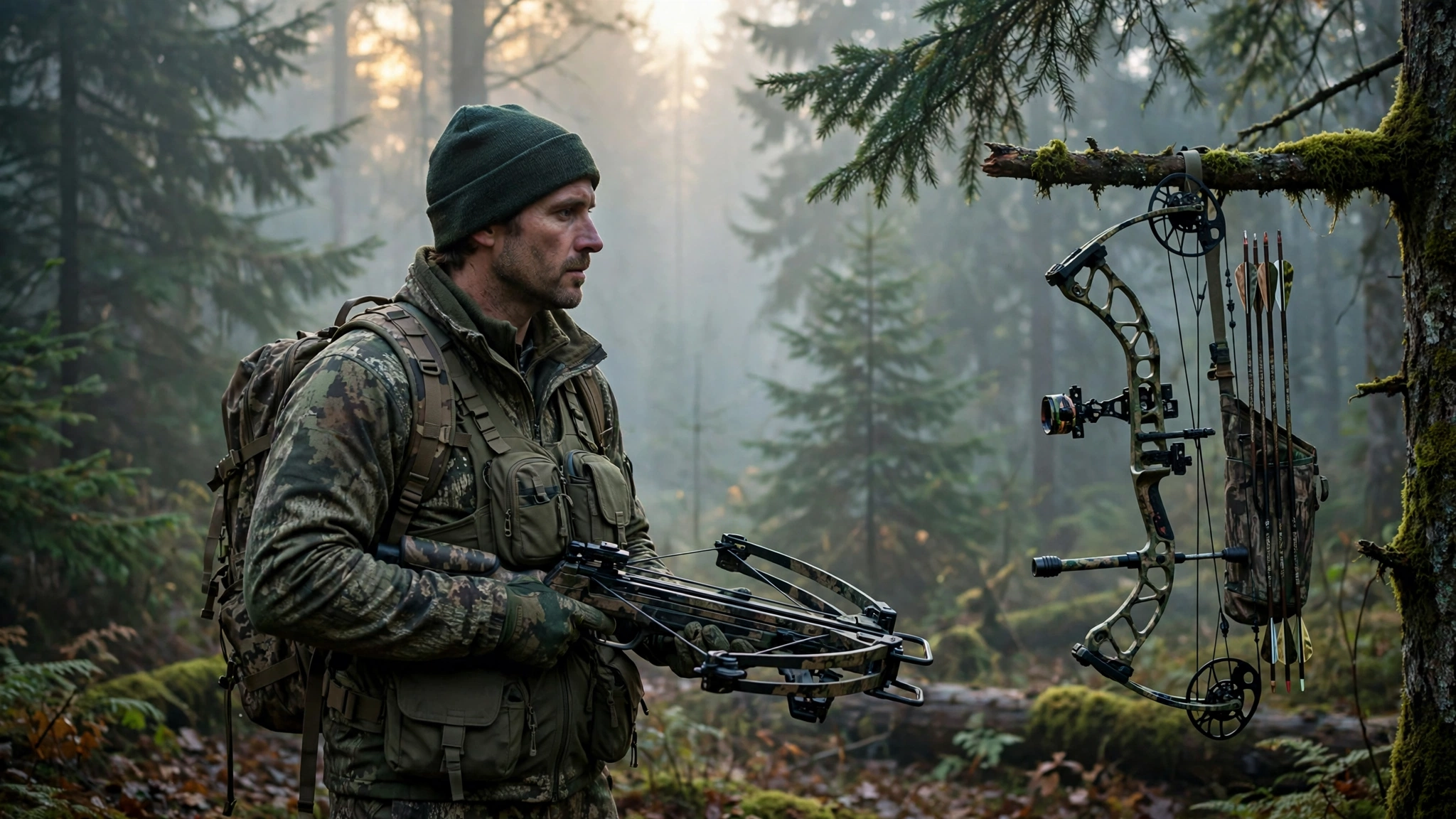
Crossbow or compound bow? I spent my first season wrestling with this exact question. Here is the honest head-to-head I wish someone had handed me before I bought anything, written from the beginner side of the counter.
The Short Answer
A crossbow is the faster route to hunting: you can be accurate within days, it stays cocked and ready, and ready-to-hunt packages start around $270. A compound bow is lighter, quieter, cheaper to feed over time, and legal in every archery season, but it demands months of practice before you are hunt-ready. Pick the crossbow if you want to hunt this season. Pick the compound if you want the craft of archery itself, and if you go that way, read our guide to which compound bows are worth buying on a budget first.
Crossbow vs Compound Bow: Head to Head
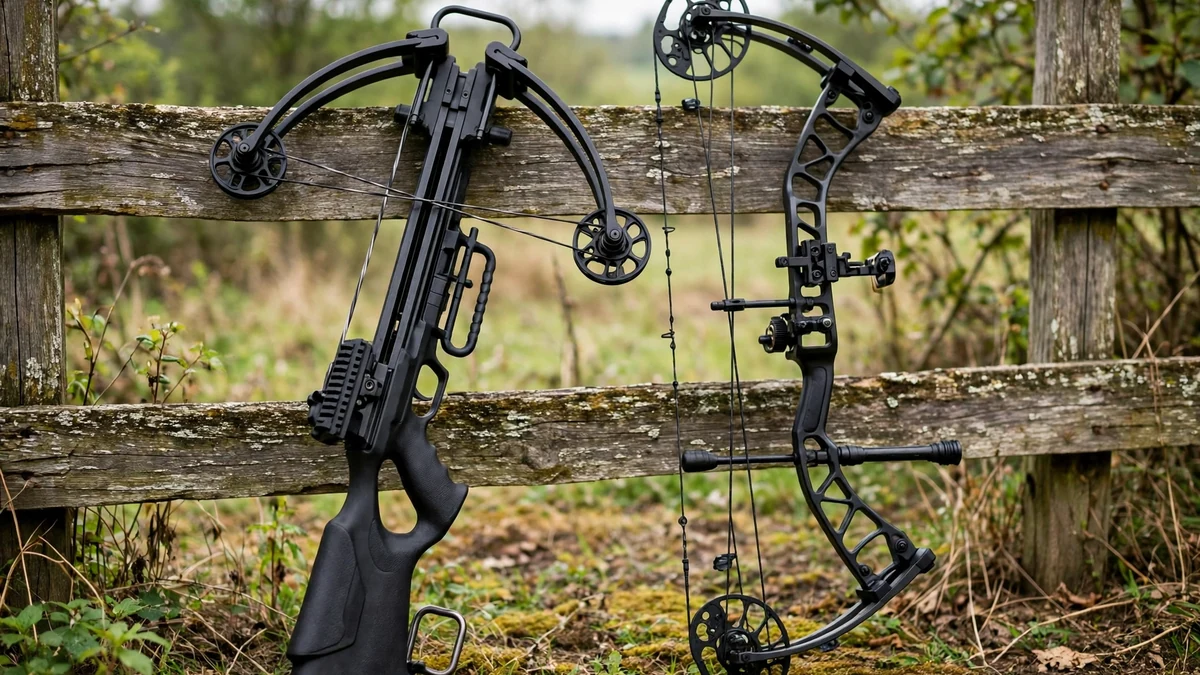
Everything below is the comparison I built for myself when I was deciding. The numbers come from manufacturer listings and commonly published test figures, not from a lab I own. Treat them as ranges, because every model is different.
| Factor | Crossbow | Compound Bow |
|---|---|---|
| Speed | 350–400+ fps (manufacturers list up to 450+) | 280–340 fps (top models up to 370) |
| Kinetic energy | ~120–200 ft-lbs depending on bolt and speed | ~65–95 ft-lbs at typical hunting setups |
| Learning curve | Days to group well at 30 yards | Weeks to months of regular practice |
| Effective hunting range | 40–60 yards for most hunters | 30–50 yards for most hunters |
| Holding the shot | Stays cocked; no holding effort | Hold draw with 80–90% let-off |
| Noise | Louder, sharp metallic snap (~76–83 dB in published tests) | Quieter, duller thump (~61–65 dB in published tests) |
| Weight to carry | Heavier, 6–10 lbs, front-heavy | Lighter, 4–5 lbs, slim |
| Follow-up shot | Slow: recock and reload every shot | Fast: nock another arrow and draw |
| Physical demand | Low with a rope or crank cocker | High: draw and hold every shot |
| Cost to start hunting | $270–$800 ready-to-hunt package | $500–$1,200+ once you add the accessories |
| Maintenance | String, cables, rail lube, trigger, scope, bolts | String, cables, cams, rest, sight, release, arrows |
| Season access (US) | Legal in most states’ archery seasons; restricted in a few | Legal everywhere archery hunting is allowed |
Which Is Faster: Crossbow or Compound Bow?
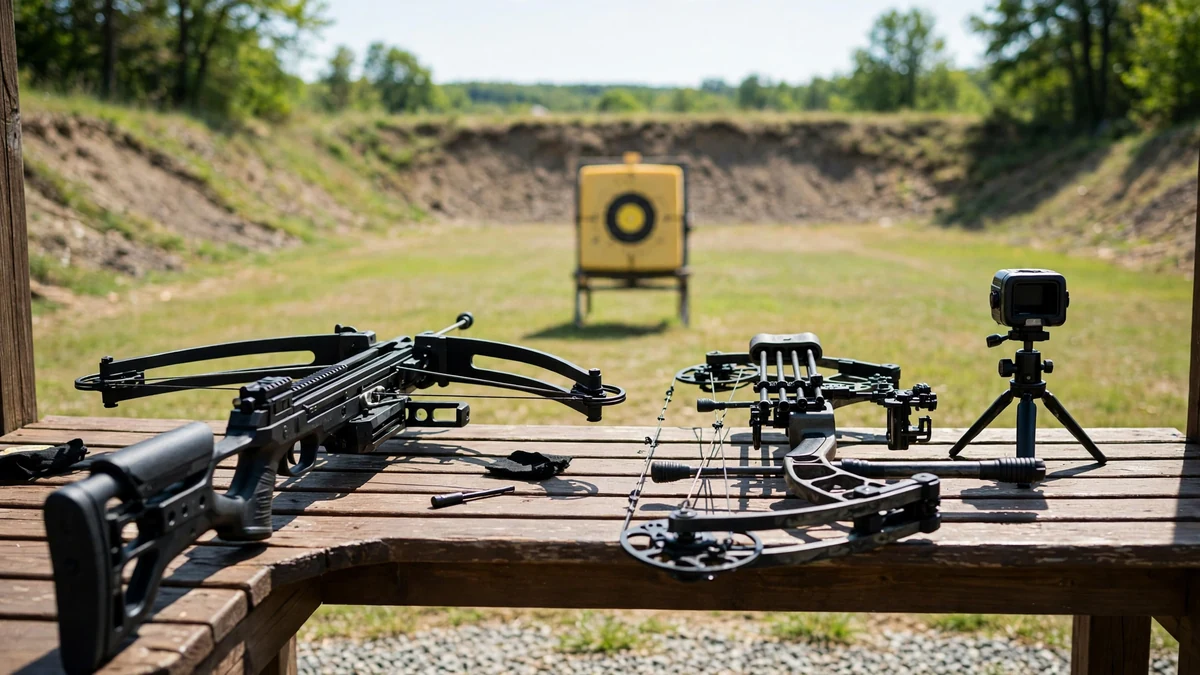
The crossbow wins on raw speed, and it is not close at the top end. Modern crossbows commonly advertise 350–400+ fps, with flagship models pushing past 450 fps. Compounds average 280–340 fps, with top-end models reaching about 370 fps.
Why the gap? A crossbow locks the string at draw weights of 150–220 pounds, far more than any human could hold. A crank or rope cocker does the hard work for you. A compound bow is limited by what your arms can draw, typically 40–80 pounds, and its cams make the pull efficient rather than heavy. When I started, this is what sold me: the machine does the storing, I do the aiming.
Does speed actually matter for killing a deer? Partly. Faster means flatter trajectory and a little more forgiveness on range estimation. But past about 50 yards, bolt drop and wind drift catch up with every crossbow too. Speed is an edge, not a superpower.
Which Hits Harder: Crossbow or Compound Bow?
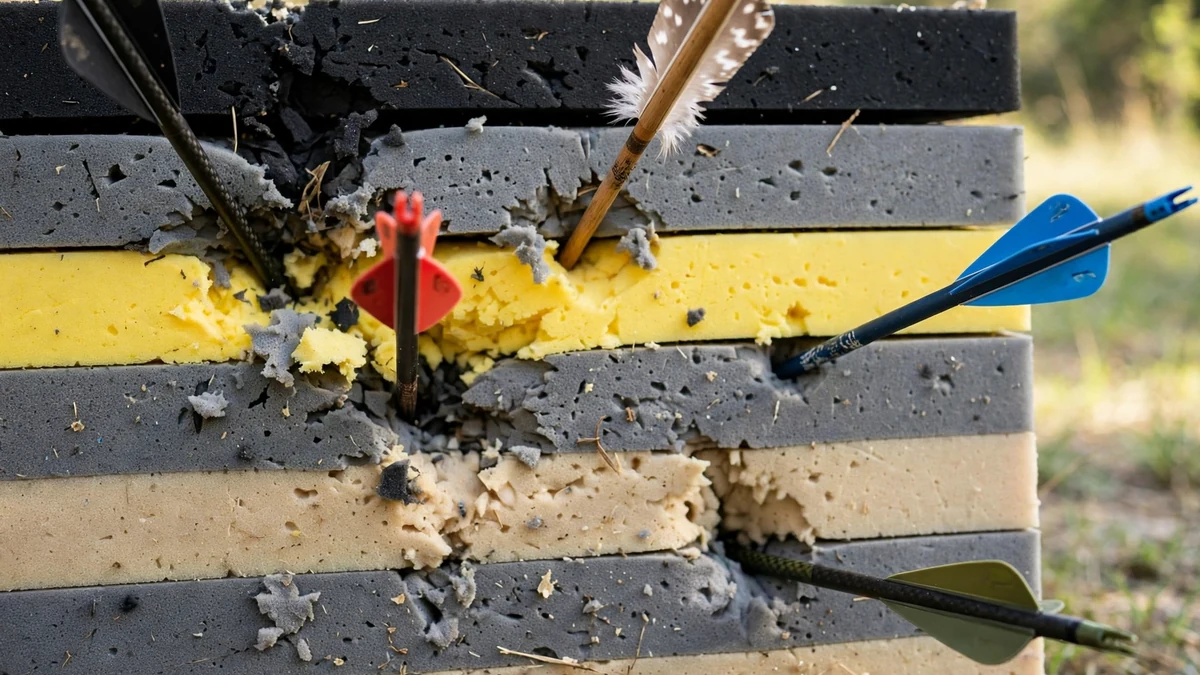
The crossbow hits harder. Hunters measure this in kinetic energy, and the standard formula is simple: KE (ft-lbs) = (projectile weight in grains x velocity in fps squared) / 450,240.
An illustrative example, using numbers commonly published in comparisons: a 400-grain bolt at 370 fps carries about 121 ft-lbs of energy, while a 350-grain arrow at 310 fps carries about 75 ft-lbs. Top-end crossbows with 450-grain bolts near 450 fps can push past 200 ft-lbs, more than double a typical 70-pound compound setup.
Here is the honest caveat I learned early: both will cleanly take a whitetail with a good shot. A compound at 70–90 ft-lbs is plenty for deer and, with the right setup, elk. The crossbow’s extra energy matters most on bigger game and on slightly off-angle shots where penetration counts. Energy buys forgiveness, not accuracy.
Which Is More Accurate?
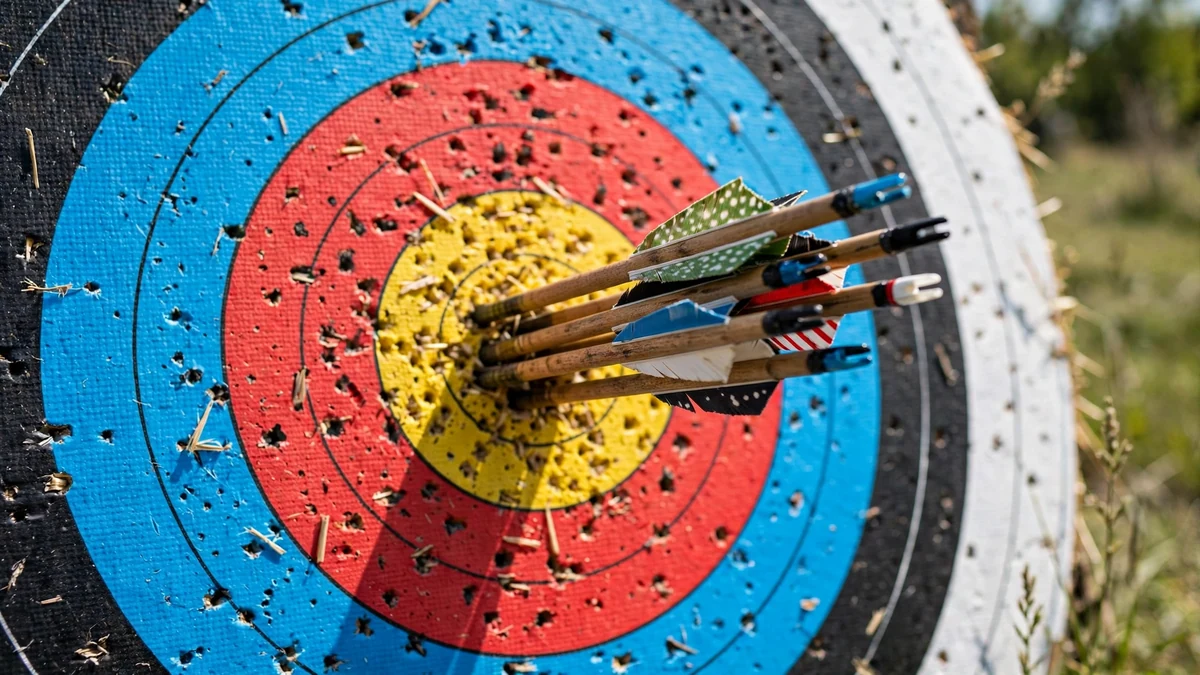
This depends entirely on who is holding it. A crossbow is far easier to shoot accurately right away: you shoulder it like a rifle, look through a scope, and squeeze a trigger. There is no anchor point to find, no release to time, no draw weight to hold steady while a deer walks in.
When I started, I was putting bolts into a pie plate at 30 yards on my second afternoon. A buddy who went the compound route spent six weeks of evening range sessions before he trusted himself at the same distance. Published practice benchmarks generally agree with this shape of the curve: a new crossbow shooter can group well in a session or two, while a compound archer typically needs dozens of hours to reach the same consistency.
But an experienced compound shooter can be just as accurate as any crossbow hunter, sometimes more so, because the skill ceiling is higher. The crossbow gets you to “good” fast. The compound lets you keep climbing long after the crossbow has plateaued. If you love the idea of practice as its own reward, that matters.
One more thing nobody told me: shooting from field positions is a skill on its own. Kneeling behind a ground blind, leaning around a tree, sitting in a stand, all of it changes your accuracy. Whichever weapon you pick, practice the way you will actually hunt. If scopes are new to you, our guide to the best crossbow scopes covers what to look for.
Which Is Quieter? (And Why It Matters: String Jump)
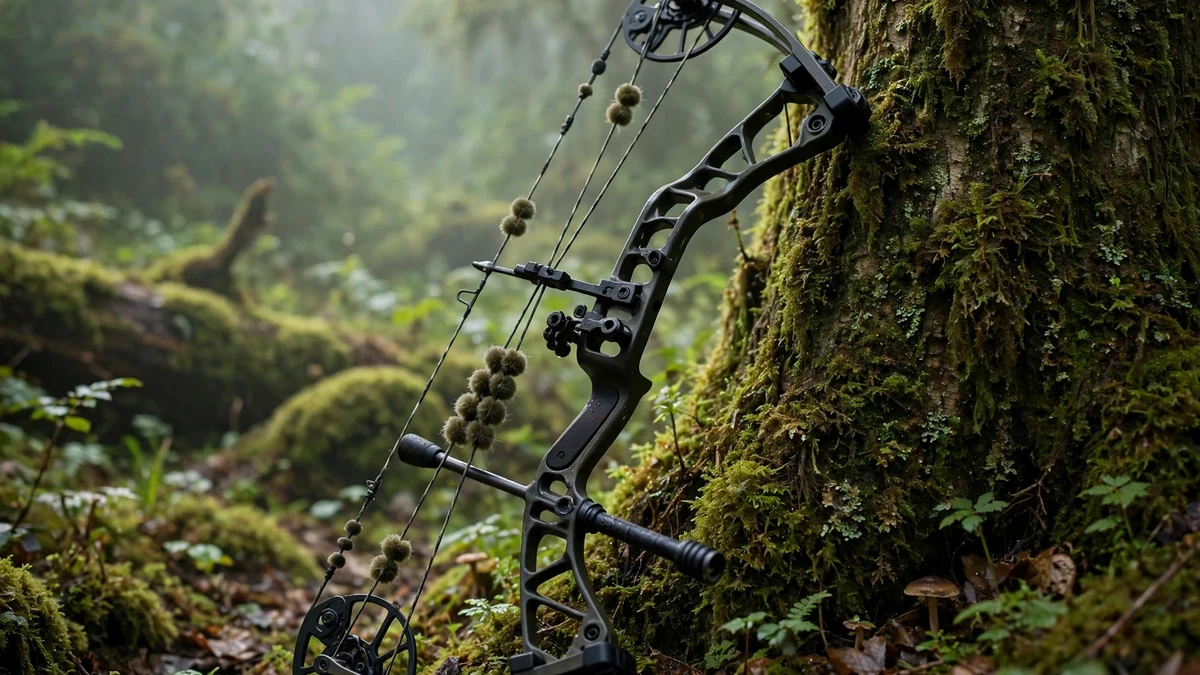
The compound bow is noticeably quieter. Independent tests commonly measure crossbows around 76–83 dB at the shot, a sharp metallic snap, against roughly 61–65 dB for a suppressed compound release, a duller thump. On a calm morning in the woods, that difference is obvious.
This is where “jumping the string” comes in, and it is the part I did not understand until someone explained the physics. Sound travels at about 1,125 feet per second, far faster than any bolt or arrow. A deer 35 yards away hears the shot roughly a tenth of a second before the projectile arrives. A commonly cited whitetail startle window is around 0.08–0.10 seconds, which means the sound alone can trigger a flinch before the bolt gets there.
The louder the shot, the more likely it crosses the deer’s startle threshold. So the crossbow’s extra power comes with a real tradeoff: more noise means a slightly higher chance the animal ducks the string, especially past 30 yards. My practical takeaway as a beginner: keep shots under 40 yards with a crossbow, aim at the lower third of the vitals on an alert deer, and never assume speed beats a deer’s ears.
How Much Does Each Cost to Start Hunting?
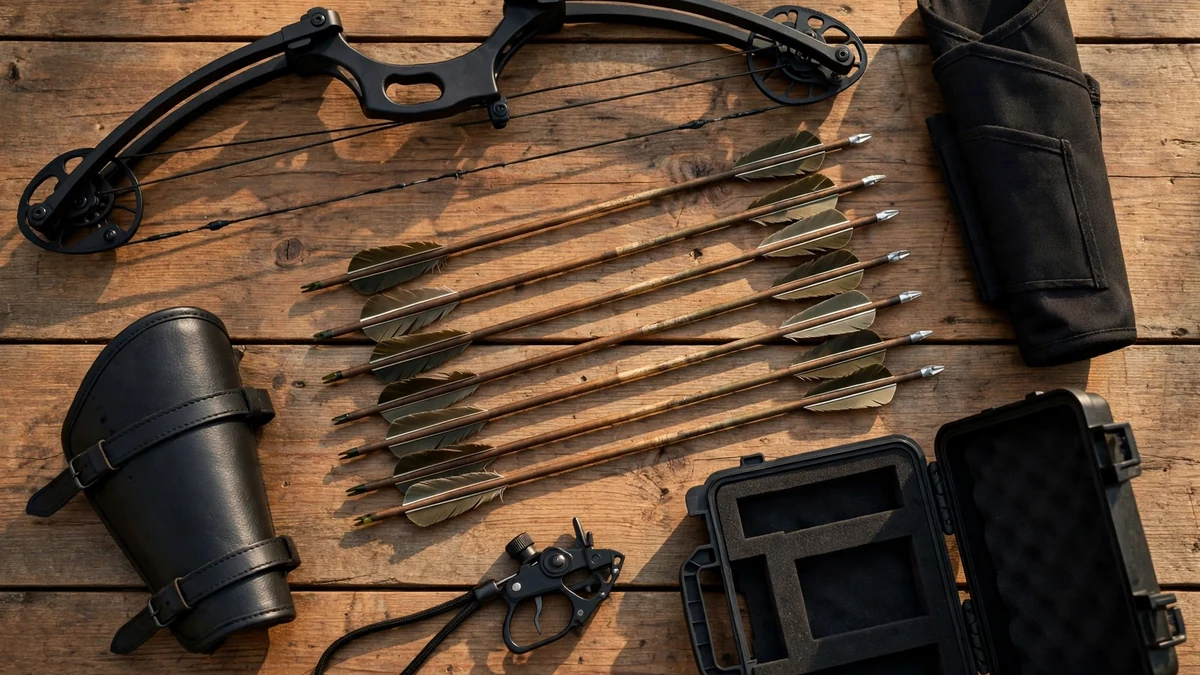
This surprised me. The crossbow is usually cheaper to get hunt-ready, because most crossbows sell as complete packages. The compound looks cheaper on the tag, then the accessories arrive.
| What you need | Crossbow | Compound Bow |
|---|---|---|
| The weapon itself | $270–$800 (usually a full package) | $300–$700 (often bare bow) |
| Sight/optic | Included (usually a scope) | $50–$150 sight, or $100+ for better |
| Release or cocking aid | Rope cocker included; crank $50–$150 | Release aid $40–$120 |
| Projectiles | Bolts included; extras ~$30–$60 per 6 | Arrows $60–$120+ per dozen |
| Rest, quiver, case | Mostly included in the package | Rest $30–$80, quiver $30–$60, case $50+ |
| Typical total to hunt | $270–$800 | $500–$1,200+ |
Prices move around and sales are constant, so treat these as honest ranges, not quotes. The pattern holds though: a crossbow package gets you into the woods for less money up front. Over years, a compound can be cheaper to feed, since arrows and strings cost less than bolts, scopes, and cocking parts.
For a deeper look at picking your first setup, see our guide on how to pick your first crossbow and our ranked list of the best crossbows for 2026.
How Long Does It Take to Learn Each One?
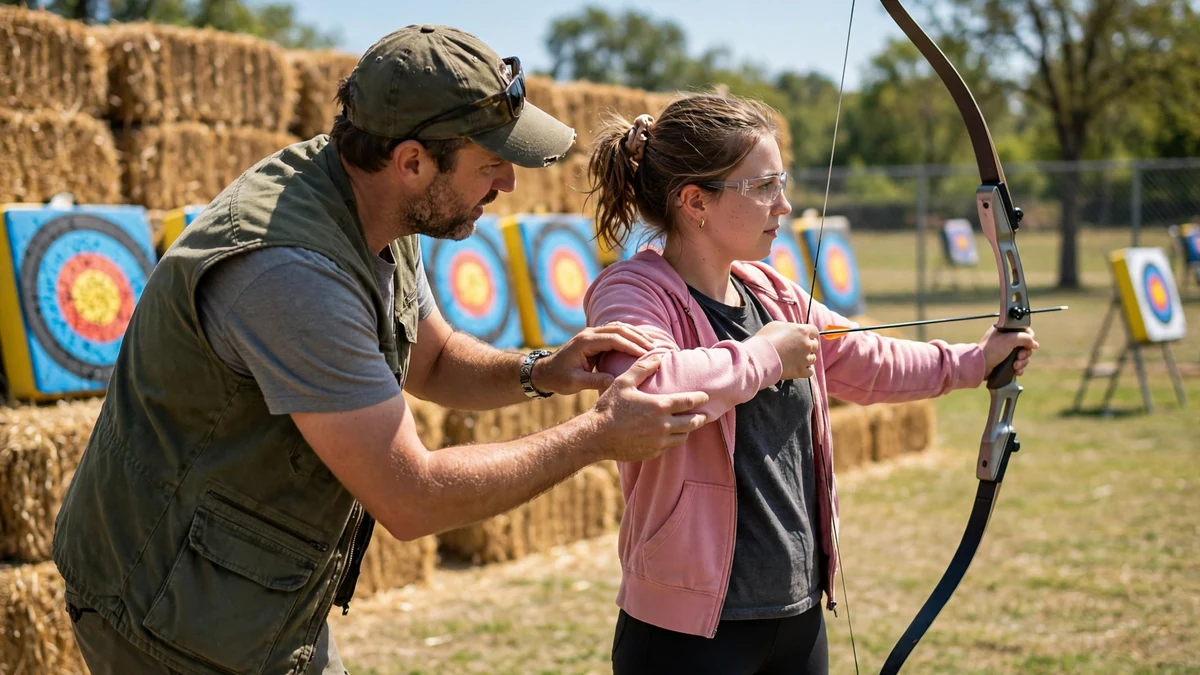
This was the deciding factor for me. I had one summer before my first season, a full-time job, and zero archery background. The crossbow let me become hunt-ready in a matter of days: cock it, shoulder it, aim, squeeze. The safety routine took longer to learn than the shooting did.
The compound bow is a genuine skill you build over months. Draw, anchor, aim, release, follow through, and repeat it identically every time. My buddy describes it as learning a golf swing: frustrating for weeks, then suddenly it clicks. If you can give it three evenings a week for two or three months, you will be dangerous with it. If you cannot, you should not be taking it into the woods.
Neither weapon is “no practice required.” With a crossbow you still have to learn cocking consistency, range judging, shooting from field positions, and safe decocking. Less practice than a compound, but absolutely not zero. Anyone who tells you a crossbow needs no practice has never missed a deer at 25 yards. I have, and it stung.
Can I Use a Crossbow During Archery Season?
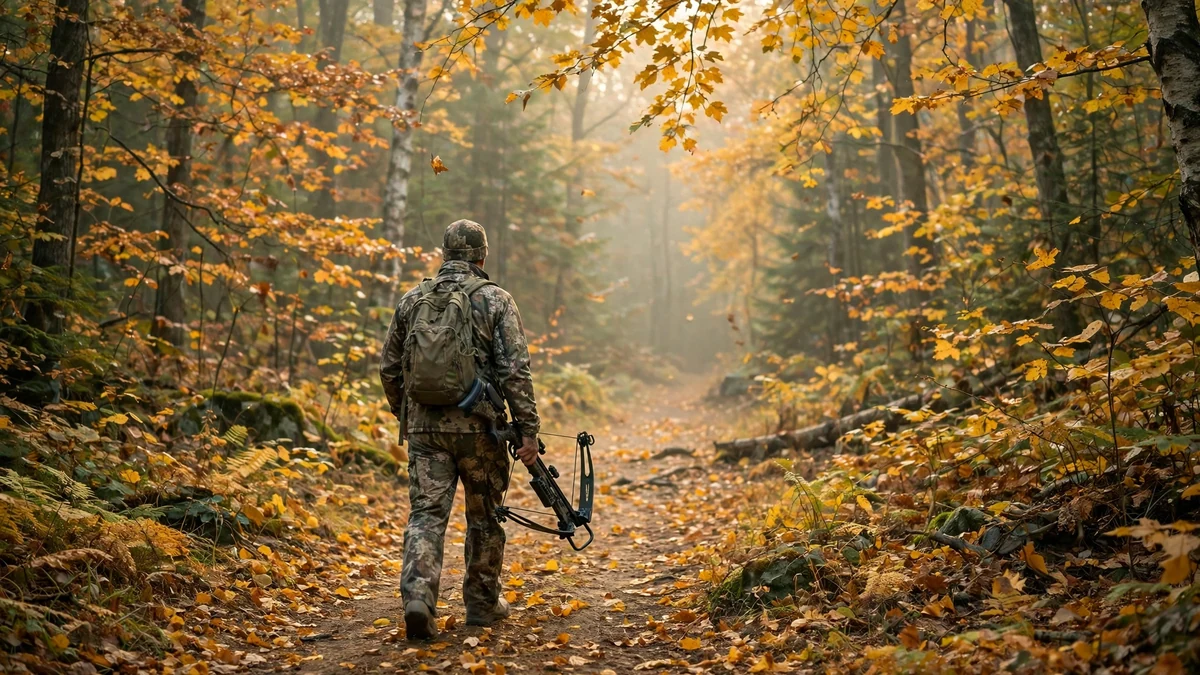
In most US states, yes. Crossbows are legal during archery season in the large majority of states now, and a handful of others allow them during firearms season, with disability permits, or above certain age thresholds. A few states still keep notable restrictions. The exact rules change, sometimes year to year, so this is one thing you must check with your state’s wildlife agency before you buy.
The compound bow has no such question marks: anywhere archery hunting is legal, a compound is legal. If you plan to hunt multiple states, or you live somewhere with tight crossbow rules, that simplicity is worth a lot. Regulations honestly decide this question for more beginners than any spec sheet does.
There is also the accessibility side, which deserves saying plainly. If a shoulder injury, back problem, or age makes drawing a bow impossible, a crossbow keeps you in archery season. That is not cheating. That is the whole point of having options.
What Is the Difference Between a Bolt and an Arrow?
Crossbows shoot bolts. Compounds shoot arrows. A bolt is shorter (usually 16–22 inches), thicker, and heavier than a compound arrow, built to survive the violent launch off a crossbow rail. An arrow is longer (around 28–32 inches for most hunters), slimmer, and tuned to flex correctly as it leaves a vertical bow, and how a crossbow compares with a longbow covers the other traditional option.
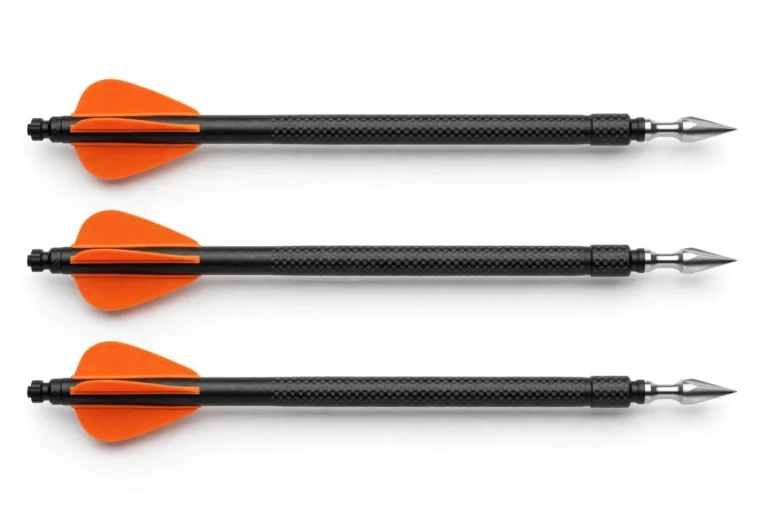
Practically, this means they are not interchangeable, and they break differently. Bolts take a beating on the rail and need regular inspection for cracks, especially carbon ones. Arrows need tuning to your bow’s draw weight and length. Bolt and arrow selection both matter more than beginners expect: the wrong spine or weight wrecks accuracy on either weapon. Our guide to the hunting bolt roundup breaks down what to match to your setup.
Safety: What Scares Me About Each One
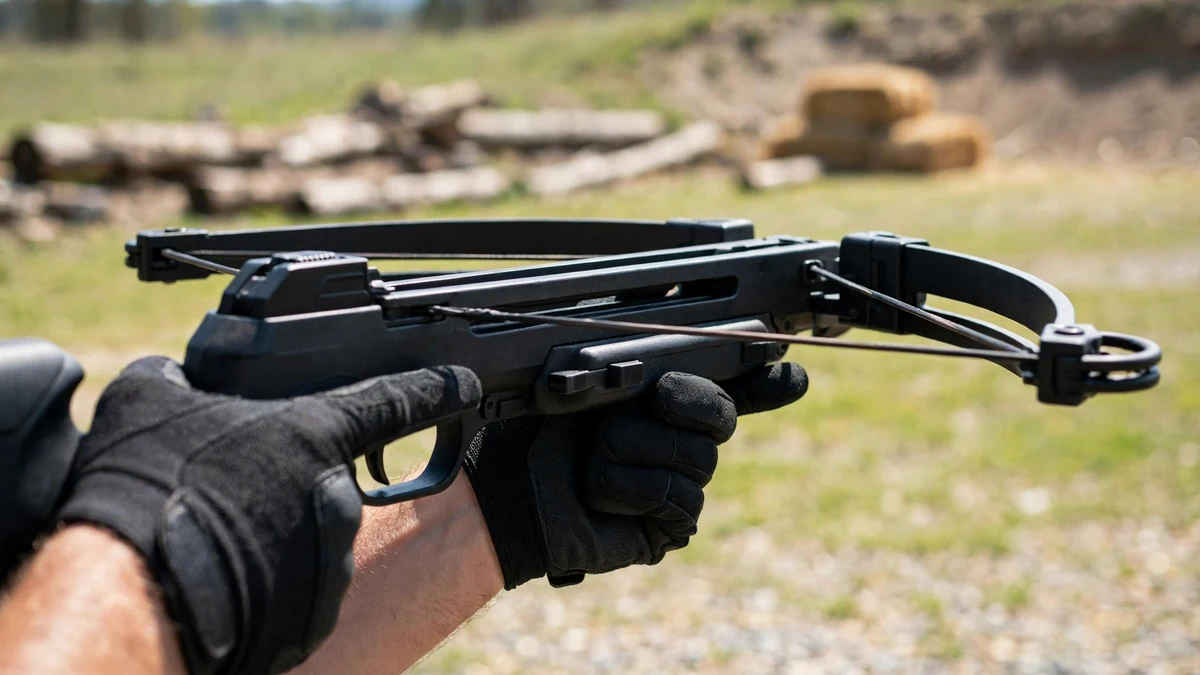
Both weapons demand respect, but they scare me in different ways. A crossbow sits cocked, holding 150+ pounds of stored energy, pointed wherever the muzzle points. You cannot set it down loaded and walk away from your brain’s attention. Safe decocking, keeping fingers below the rail, and never dry-firing are non-negotiable. Read our how to handle a crossbow safely before your first session; it covers the mistakes beginners actually make.
A compound bow’s danger is more physical: drawing 60–70 pounds with cold muscles, a release that fails, or an arrow that is not seated can all go wrong fast. Dry-firing a compound (releasing without an arrow) can destroy the bow and injure you. Neither weapon is the “safe” one. They are just dangerous in different ways, and the safety habits are different too.
Maintenance Compared
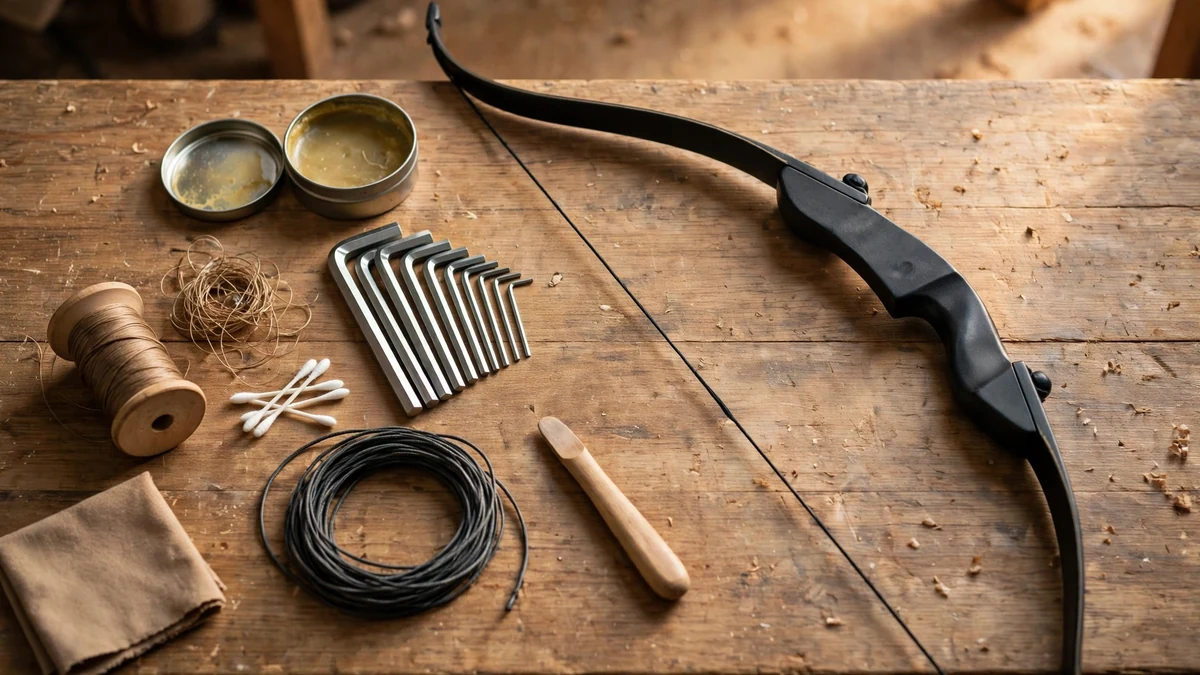
Neither weapon is maintenance-free, and this is a cost beginners underestimate.
| Task | Crossbow | Compound Bow |
|---|---|---|
| String and cables | Wax string, inspect serving; replace every 1–3 seasons | Wax string, check serving; replace every 1–3 seasons |
| Rail | Lube the rail every 5–10 shots | Not applicable |
| Cams / trigger | Trigger box: keep clean, light oil; cams on compound crossbows need timing checks | Cams: check timing and lean; keep axles lubed |
| Optic / sight | Scope holds zero well; check mounts | Pins or sight: check level and tightness |
| Bolts / arrows | Inspect every bolt before shooting; flex-test carbon | Inspect arrows; check nocks and fletching |
Recurve-style crossbows are the simplest of the bunch mechanically: string and limbs, that is about it. Compound crossbows and compound bows both have cams, cables, and timing to watch. Budget ten minutes after every range session and you will avoid most problems.
The Verdict: Which Hunter Should Pick Which?
There is no universally better weapon. There is only the better weapon for your body, your schedule, and your season. Here is how I would call it by hunter type:
Choose the crossbow if you are a beginner deer hunter
This was me. You want to hunt whitetails this season, you have limited practice time, and you want the shortest path to an ethical shot. The crossbow’s learning curve, pre-cocked readiness, and scope-based aiming are built for exactly this. Start with our beginner’s guide to crossbows.
Choose the compound bow if you want the archery journey
You enjoy practice, you like the idea of a skill that keeps deepening, and you want the lightest, quietest setup. You will put in the months, and you will love every one of them. The compound is also the pick if you hunt multiple states and want zero regulatory headaches.
Choose the crossbow for elk if you are new; either works with experience
Elk are big, tough, and often shot at longer distances on public land. A crossbow’s extra kinetic energy and flatter trajectory help a newer hunter here. But elk country also means spot-and-stalk, steep climbs, and long carries, where a compound’s lighter weight and quieter shot shine. Experienced elk archers do fine with either. Beginners should lean crossbow and keep shots ethical. See our picks for the best hunting crossbows.
Choose the crossbow if drawing is hard for you
Shoulder injuries, back problems, arthritis, or simply smaller stature: if holding a draw is painful or impossible, the crossbow’s cocking aid removes the barrier. This is the single clearest-cut case in the whole comparison.
Choose the compound bow for spot-and-stalk and tight timber
Carrying a slim 4-pound bow through brush all day beats hauling a wide, front-heavy crossbow. Quicker follow-up shots and a quieter release matter when you are moving on animals. The crossbow’s horizontal limbs are also awkward in thick cover and some tree stands.
What I would hand a friend starting out
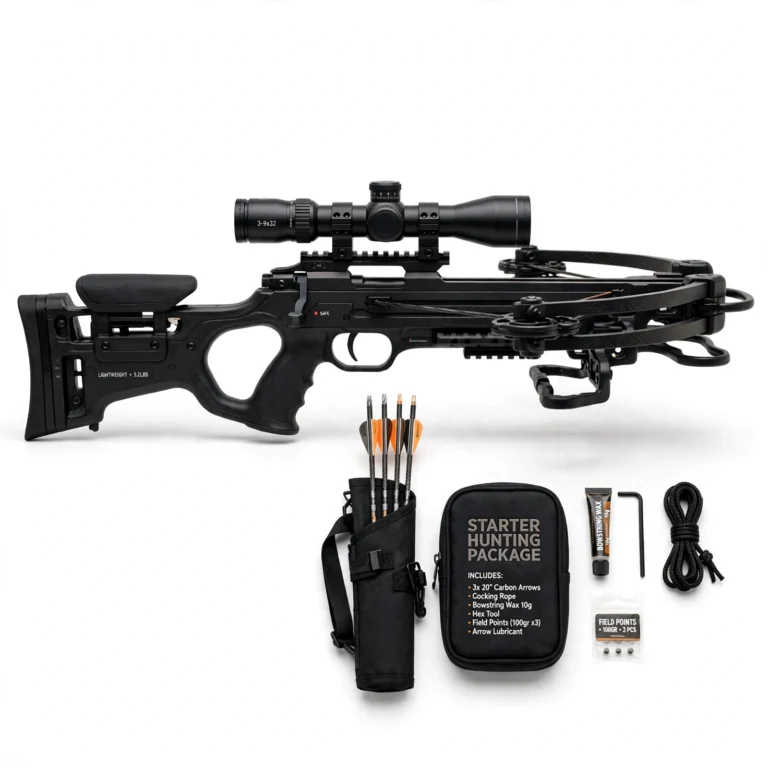
If a friend asked me tomorrow what to buy for a first deer season, I would point them at a budget-friendly beginner package like the Barnett Whitetail Hunter II: complete, affordable, and more accurate than any new shooter. It is the kind of bow that lets you spend your energy learning to hunt instead of learning to shoot.
Frequently Asked Questions
Is a crossbow more powerful than a compound bow?
Yes, in raw energy. Modern crossbows commonly produce 120–200 ft-lbs of kinetic energy, roughly double a typical 70-pound compound bow at 65–95 ft-lbs. But compounds are quieter, lighter, and faster to shoot twice, so power is only one variable in the decision.
Can I use a crossbow during archery season?
In most US states, yes. Crossbows are legal during archery season in the large majority of states, but a few restrict them to firearms season, require disability permits, or set age limits. Always check your state’s current wildlife agency regulations before buying.
Which is better for a complete beginner?
A crossbow, by a wide margin. Most beginners group well at 30 yards within their first couple of sessions. A compound bow typically takes weeks to months of regular practice to reach the same point. See our beginner’s guide.
Which is better for elk hunting, crossbow or compound bow?
For a new elk hunter, the crossbow’s extra energy and flatter trajectory are genuine advantages on big, tough animals. For experienced hunters, either works: compounds win on weight and quietness for spot-and-stalk in elk country, while crossbows win on power and ease of aiming. Match the weapon to your experience level.
Do crossbows shoot farther than compound bows?
Practically, yes, a little. Crossbows stretch the ethical hunting range to about 40–60 yards for most hunters thanks to higher speed and flatter trajectory. Most compound hunters stay inside 30–50 yards. Both are still short-range weapons compared to firearms, and range estimation matters more than raw speed.
What is the difference between a bolt and an arrow?
A bolt is shorter (16–22 inches), thicker, and heavier, built to survive a crossbow’s violent launch off the rail. An arrow is longer (around 28–32 inches), slimmer, and tuned to flex as it leaves a vertical bow, which is one reason a crossbow against a longbow feels so different in the hand. They are not interchangeable.
Which is quieter, a crossbow or a compound bow?
The compound bow is noticeably quieter. Published tests commonly measure crossbows around 76–83 dB at the shot versus roughly 61–65 dB for a compound. The louder crossbow report raises the odds of a deer “jumping the string,” so keep crossbow shots at modest distances.
Can I hunt with a crossbow if I have a shoulder injury?
Yes, and this is one of the strongest cases for a crossbow. A rope or crank cocking aid removes the need to draw and hold weight, and many states allow crossbows specifically as an accommodation. Check your state’s rules, since some require a disability permit.
Still deciding? Browse our ranked best crossbows for 2026, read how to choose a crossbow, or start with the beginner’s guide if you are new to all of this. Whatever you pick, learn it well before opening day.
Keep Learning
- Best Crossbow for Beginners: 5 Picks to Start Hunting Right
- How to Choose a Crossbow: A Beginner’s Buying Guide
- Best Crossbows 2026: Tested Picks for Every Budget
- Crossbow vs Longbow: Which One Should You Hunt With?
- Best Crossbow Scope 2026: What to Buy and Why
- Best Crossbow Bolts 2026: How to Choose