Excalibur Assassin 400 TD Review

Excalibur Assassin 400 TD Review
I have hunted with recurve crossbows for years, and the Assassin 400 TD is the one I keep coming back to when a traveling hunter asks me about a bow that packs down small and still shoots straight after you put it back together. It is a 2020 takedown recurve that was genuinely good in its day, and one instrumented test gave it the best accuracy average in its whole group. It is also discontinued, and that changes everything about how you should shop for one. This review tells you what it was, what it tested at, what to check before you pay for a used one, and when you should buy a current model instead.
The Short Answer
The Excalibur Assassin 400 TD is discontinued. Its last known new price was $1,799.99 in 2020, and a major retailer now lists it as discontinued and not available. If you want one, you are buying used, and you should only do that if the bow is complete, passes the takedown and crank checks in this article, and costs well below the price of a new Micro Suppressor Extreme at about $1,250. For most hunters in 2026, a current model is the better buy.
That is the honest answer, and it is the answer the old version of this article never gave. The live article this review replaces was published in 2023 and never updated. It presented the bow in the present tense as a current buy-new choice, with no price, no discontinued warning, no successor, and no used buying advice. It also got the weight wrong, at 7.7 lb, a figure that matches the smaller Assassin 360, not this bow. Everything in this rewrite corrects that, with advertised figures labelled against tested figures, and with every conflict between sources flagged instead of smoothed over.
What made the 400 TD worth remembering is the takedown. The Quick-Loc system lets you separate the limbs from the rail with a push button, no tools, and two decisive clicks to put it back together, with no loose parts to lose in the truck. Both published tests of this bow report no loss of zero after reassembly, and the one instrumented test in this research scored it 23 out of 25, tied at the top of its group, with the best accuracy average in the group at 1.2 inches at 30 yards. That is a real result, measured with a 350-grain arrow through a chronograph, not a marketing claim. The bow also carries a built-in crank that cocks and de-cocks at 14 lb of effort, which turns a 325 lb draw weight into something most hunters can work without a separate accessory.
The case against buying one is just as real. At 7.9 lb bare, and 10 lb 3 oz as hunted with scope and quiver, it was the heaviest and widest bow in its test group. It has no stated kinetic energy figure from the manufacturer, no sling in the package, and a trigger that tested heavier than advertised. Parts support depends on spares for a 2020 model, and warranty transfer to a second owner is unverified. If you want a takedown recurve with a full warranty, the current RevX TD lists at $1,999.99. If you want a current 400 fps recurve and do not need takedown, the Micro Suppressor Extreme costs about $1,250 new. A used 400 TD only wins when it is cheap enough to make those two current bows look expensive, and complete enough that you are not buying missing parts on top of the bow.
Best Takedown Recurve, Used: Assassin 400 TD
Speed: Up to 400 fps advertised | Price: Discontinued, last known MSRP $1,799.99 | Width cocked: 20-21 in
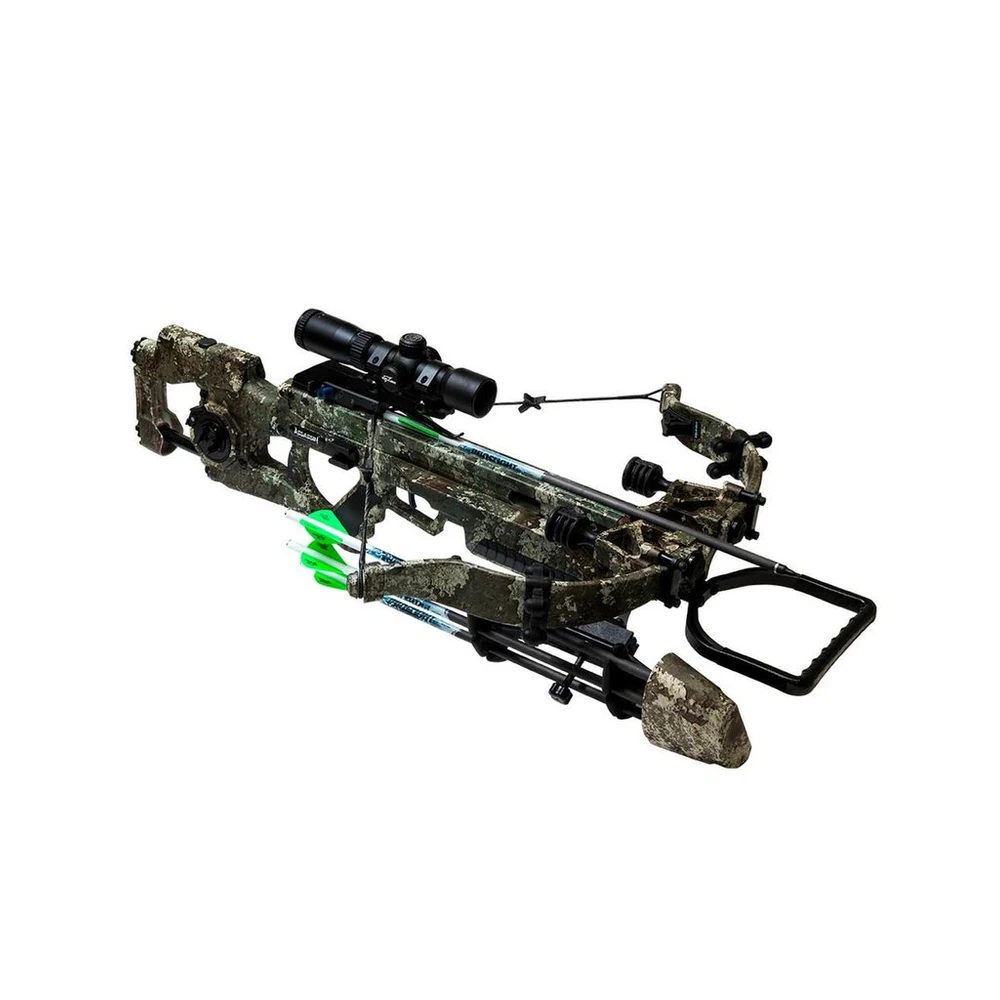
I rate this bow as a used buy only, and only for one kind of hunter: a traveling hunter who wants a takedown recurve that packs down and holds zero after reassembly, who is comfortable buying used, and who values the integrated crank and the tested accuracy this bow showed in 2020. If that is you, keep reading, because the checklist near the end of this article is the part that protects your money. If you want a current model with full manufacturer support, the lightest or narrowest bow in its class, or a stated kinetic energy figure, this is not your bow, and the comparison section below will point you to the current models that are.
Assassin 400 TD Specs
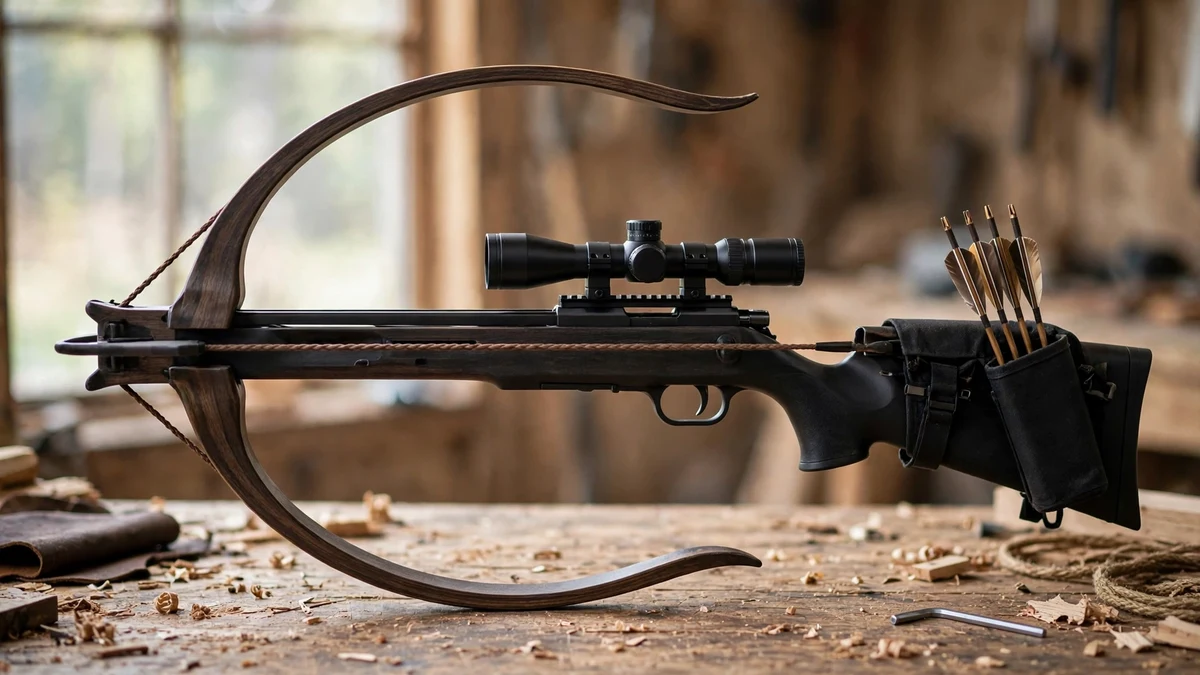
Every figure in this table is labelled advertised or tested, with its source. Where sources conflict, I show the conflict instead of picking one number silently. Bare weight and as-hunted weight are different bases, so do not compare them directly.
| Spec | Figure | Notes |
|---|---|---|
| Status | Discontinued | Retailer lists it as discontinued and not available. No live product page exists on the manufacturer website, only the 2020 and 2021 Quick Reference Guide PDFs. No discontinuation notice or date was found. |
| Speed, advertised | Up to 400 fps | With a 350-grain minimum arrow. Manufacturer guides and field test agree. |
| Speed, advertised with Sound Deadening System fitted | 388 fps | Manufacturer guide footnote. Expect high 380s, not 400 fps, with the suppression fitted. |
| Speed, tested | 392 fps | Tested, 3-shot average with a 350-grain arrow through a chronograph, in the only instrumented test found, published September 21, 2020. Only 8 fps under the advertised figure. |
| Kinetic energy | Not stated | No manufacturer kinetic energy figure was found. Do not quote any energy figure for this bow as a fact. |
| Draw weight | 325 lb | Advertised. Manufacturer guides, field test, and retailer spec table agree. |
| Power stroke | 15 in | Advertised. Also listed as draw length in the retailer spec table. |
| Cocking effort | 14 lb | Advertised, through the integrated crank. Manufacturer guides and field test agree. |
| Cocking system | Integrated Charger Crank System | Built in, with handle and strap. Cocks and de-cocks. Not a detachable crank, and not the newer Charger X. |
| Trigger | Pro-Shot ACP match-grade two-stage, 3 lb advertised, 3 lb 14 oz tested | Advertised 3 lb. Tested 3 lb 14 oz by measurement in the instrumented test. Flag the gap, it is 14 oz heavier than advertised. |
| Weight, bare | 7.9 lb | Advertised. Manufacturer guides and field test agree. |
| Weight, retailer listing | 8.2 lb | Retailer listing, basis not stated. Conflicts with the 7.9 lb manufacturer bare figure. Do not average the two. |
| Weight, as hunted, tested | 10 lb 3 oz | Tested, with scope and quiver mounted. The test warns not to compare as-hunted weight with advertised bare weight. |
| Overall length | 30-33 in, adjustable | Advertised. The instrumented test measured 30.75 in on its test bow. |
| Width, cocked | 20-21 in | Conflict, reported as a range. Manufacturer and field test say 20 in, the instrumented test measured 20.5 in, a retailer lists 21 in. |
| Width, uncocked | 25 in | Advertised. Field test and retailer agree. |
| Stock | Tru-Fit stock | Tool-free length of pull and cheek piece adjustment, with two large knobs and no tools. |
| Limbs | Micro High-Output Express limbs with Armor Tips | Advertised. Recurve limbs, no cams or cables. |
| Arrows | 16.5-in ProFlight carbon, flat nock | Advertised. Minimum arrow weight 350 grains. Do not shoot lighter arrows. |
| Scope | Tact-100 illuminated | 100-yard multi-reticle, red and green illumination, 10-yard increments from 20 to 100 yards. |
| Safety | Manual safety, dry-fire inhibitor | Older dry-fire inhibitor system. Not the newer CeaseFire system, so do not call it CeaseFire. |
| Sound suppression | Sound Deadening System, R.E.D.S. suppressors, string stops | Advertised. The suppression costs about 12 fps against the headline speed, per the manufacturer footnote. |
| Takedown | Quick-Loc Technology | Push button, tool-free, two decisive clicks, no loose parts. Both testers report no loss of zero after reassembly. |
| Finishes | Realtree Edge, True Timber Strata | Advertised. Same last known price in both finishes. |
| Warranty | Limited lifetime warranty | As sold when new. Transfer to a second owner is unverified, so do not promise warranty cover on a used bow. |
| Package contents | Tact-100 scope, integrated crank, 4-bolt quiver, 4 ProFlight bolts | Retailer package list. A fitted soft case appears in a field test features list but not in the retailer package list, so whether every package included the case is unresolved. |
| Sling | Not included | The field tester’s only stated negative. |
Two figures in that table deserve a second look, because they are the ones that trip up buyers comparing listings. The weight appears as 7.9 lb, 8.2 lb, and 10 lb 3 oz in different places, and all three can be correct at once, because they measure different things: 7.9 lb is the manufacturer bare weight, 8.2 lb is a retailer listing with no basis stated, and 10 lb 3 oz is the measured weight as hunted with scope and quiver mounted. The cocked width appears as 20 in, 20.5 in, and 21 in for the same reason: the manufacturer and field test say 20 in, the instrumented test measured 20.5 in on its bow, and a retailer lists 21 in. I use 20-21 in as the reported range and name the sources, because no single figure is certain. Any listing that states one of these numbers as the only figure, with no basis, is not giving you the full picture.
The old version of this article got the weight wrong in a different way. It said 7.7 lb, which matches the smaller Assassin 360 in the same manufacturer guide, not the 400 TD. It also said the length was 30 in, which is only the short end of the 30-33 in adjustable range, and it claimed a disassembled length of 25 in, which no source in this research supports. That 25 in figure matches the uncocked width, so it looks like a width figure reused as a length. Do not repeat either claim. If a seller quotes 7.7 lb or a 25 in disassembled length, they are quoting the old article, not the bow.
Quick-Loc Takedown: The Reason This Bow Still Matters
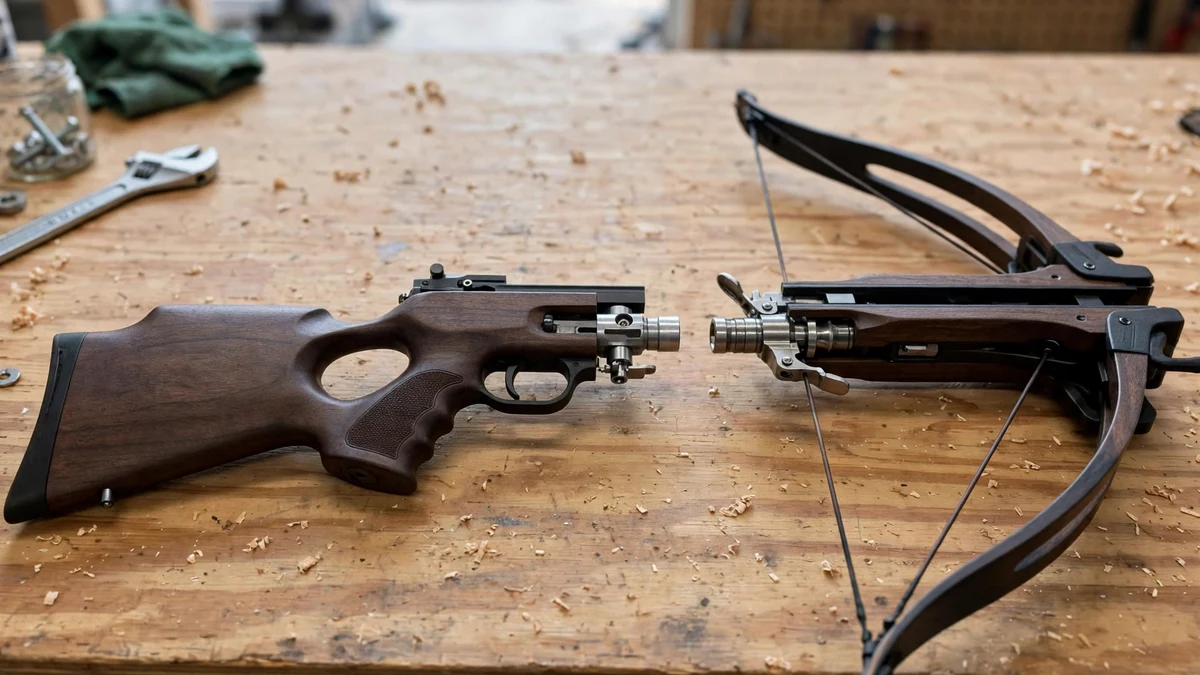
The 400 TD is a Micro platform recurve, and the TD stands for Take-Down. You press a button, separate the limbs from the rail, and the bow breaks into a package that fits in a slim fitted soft case about 10 by 30 inches, small enough to stow in a vehicle, a boat, an ATV, or a snowmobile, and to strap to a backpack. Reassembly is tool-free, with two decisive clicks and no loose parts to lose in the dark at the trailhead. That is the whole point of this bow, and it is the reason a used one is still interesting in 2026, when faster and lighter bows cost less new.
What matters more than the packing is what happens after you put it back together. Both published tests of this bow report no loss of zero after reassembly, and the instrumented test states it plainly: the limbs can be removed and reinstalled in a snap without losing zero. The field test agrees, reporting that reassembly does not affect accuracy in the tester’s experience. That is the claim you must verify on any used bow before you pay, because the Quick-Loc lock is both the bow’s best feature and its main used-buying risk. A worn lock that does not click firmly twice, or a joint with play in it, is a walk-away problem, not a fix-later problem. The checklist near the end of this article tells you exactly how to test it.
The recurve design is the other half of the portability story. There are no cams, no cables, and no pins to fail, and a worn string can be changed in the field, which is a real advantage on a traveling hunt far from a shop. The field tester makes this point explicitly: with recurve limbs there is not much that can go wrong other than replacing a damaged or worn string, and that can be done easily even under field conditions. That simplicity is also why the bow is heavy for its speed. A recurve needs a long, stiff limb and a heavy draw weight to make 400 fps, and this one carries 325 lb of draw weight on Micro High-Output Express limbs with Armor Tips. You feel that weight on a long walk, and the as-hunted figure of 10 lb 3 oz is the number to remember, not the 7.9 lb bare figure.
Speed and Accuracy: Advertised Against Tested
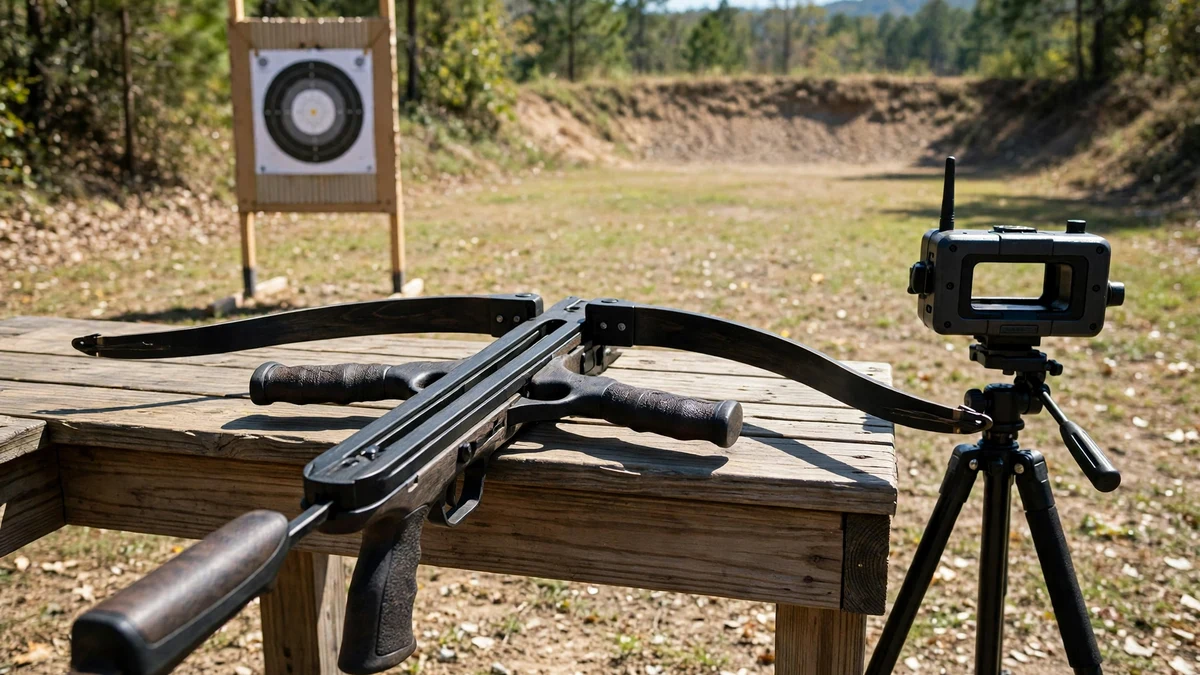
The advertised speed is up to 400 fps with a 350-grain minimum arrow, and the manufacturer footnote drops that to 388 fps with the Sound Deadening System fitted. The only instrumented test found measured 392 fps with a 350-grain arrow, a 3-shot average through a chronograph. That is 8 fps under the advertised figure, and it is a good result for a 2020 bow, because the tested arrow is the minimum weight arrow, the lightest arrow the bow is rated for. A heavier hunting arrow would be slower, and a buyer who fits the suppression should expect high 380s, not 400 fps. Do not let a seller quote 400 fps without naming the arrow weight, because the arrow weight is what makes the number mean anything. For context on choosing the right bolt for your setup, read our guide to replacement arrows guide, and for broadheads to pair with them, read the guide to hunting broadheads guide.
The accuracy result is the stronger story. The instrumented test shot three groups of three arrows at 30 yards from a benchrest, discarded the worst group, and averaged the best two. The 400 TD averaged 1.2 inches at 30 yards, the best average in its five-bow test group, and scored 23 out of 25 overall, tied at the top of the group. The tester’s summary was short: the bow’s strengths were accuracy and portability for traveling hunters, and its weaknesses were weight and width, the heaviest and widest bow in the test. Both halves of that summary are true at once, and this review keeps both. The bow wins on portability because it takes down, and loses on weight and width when assembled. A buyer who only hears the accuracy half is being sold half the bow.
The field test tells the same story in rougher conditions, with no chronograph. The tester assembled the bow tool-free with two clicks, cocked it with the integrated crank, then left the assembled bow outside overnight in a snowstorm, with temperatures in the teens, and shot it the next morning. The first arrow was 2 inches off center at 20 yards. Three shots later he was shooting to 50 and 60 yards, and he reports arrows often touching at 60 yards, with fletching ripped off at nearly every shot. Treat that 60-yard account as the reviewer’s account, not as a measured group size, because he gives no group measurement in inches. The only measured group in this research is the 1.2-inch figure at 30 yards from the instrumented test. The field tester also shot a roving range in snow at 20, 30, 40, and 50-yard silhouettes, firing about two arrows every 20 seconds, with no mishaps or malfunctions, and he reports the trigger breaking crisply at 3 lb even after several hundred shots. That trigger note reads as the advertised figure repeated, not a gauge measurement, so the tested trigger figure of 3 lb 14 oz from the instrumented test is the one to trust. His only negative was the missing sling, and he recommends hunters keep shots within 40 yards regardless of advertised capability. I agree with that limit, and it matches the 40-yard ethical ceiling in our guide to treestand hunting bows guide.
The Crank: Three Systems You Must Not Confuse
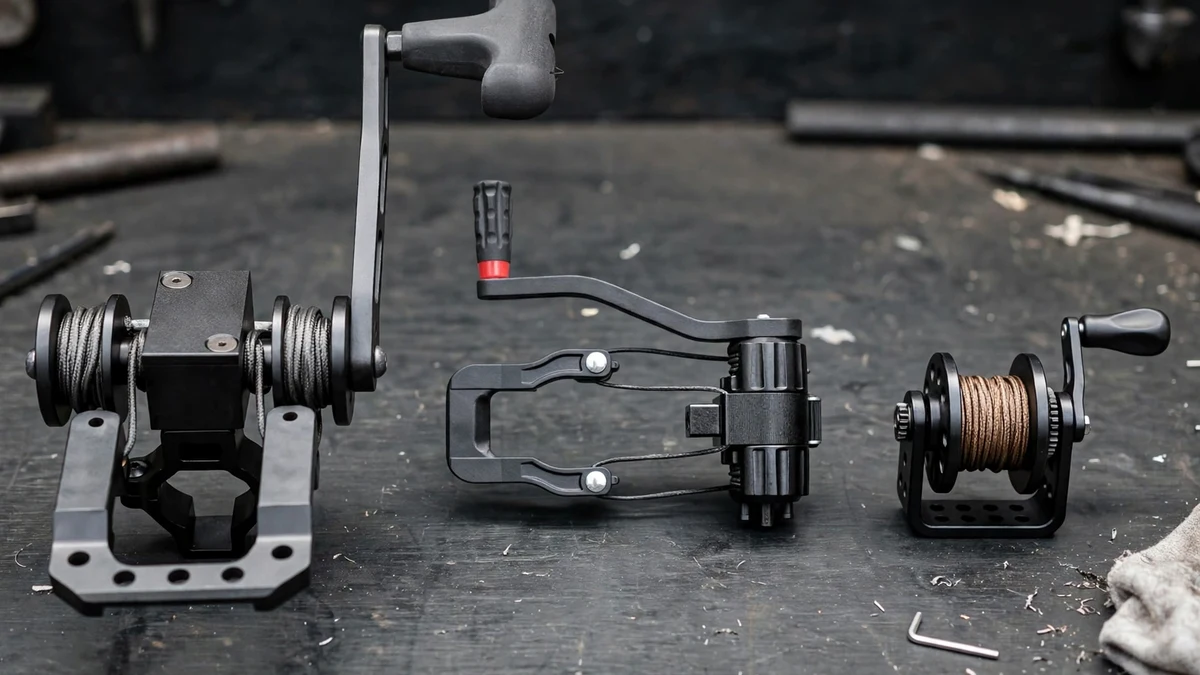
The 400 TD uses an integrated Charger Crank System built into the bow, with a handle and a strap, at 14 lb of cocking effort. It cocks and de-cocks, and it is built in, so there is no separate crank to buy, carry, or lose. That 14 lb effort turns 325 lb of draw weight into a crank pull most hunters can work, and it is the reason this bow suits a hunter who cannot rope-cock a 325 lb recurve. For the full cocking picture, including rope cockers and detachable cranks, read our guide to cocking devices compared guide and how to cock one safely before your first hunt.
Three similarly named crank systems cause most of the confusion around this bow, so here they are, kept apart. The integrated Charger Crank is the built-in system on the 400 TD, 14 lb effort. The Charger EXT is a separate detachable crank accessory for Micro and Bulldog series bows, and it is not fitted to the 400 TD. The Charger X is the newer integrated crank built into the RevX and Hybrid X, at 16 lb of effort, with no standalone price. Do not call the 400 TD crank a Charger EXT or a Charger X, and do not apply the effort figure from one system to another. A listing that says a 400 TD includes a Charger EXT is describing a different bow, or a seller who has mixed up the models, and the model-confusion section below explains why that matters.
De-cocking deserves a warning of its own. One owner reports that the manual does not explain the de-cocking step clearly: when de-cocking, you need to release the Full Draw Latch under load, by applying pressure with the fitted cocking handle and then pressing the latch at the same time, and to hold it tight, since it will want to run away. That is a single owner report, not a defect claim, and I do not generalise it into one. But it is specific and useful, and it belongs in the used-buying checklist: test the crank and the de-cock latch on the actual bow before you pay, and do not accept a seller’s word that it works. Read the safety basics every hunter should know and the guide to keeping a bow shooting well before you shoot any used crossbow, and never dry fire one.
Trigger, Scope, Stock, and Arrows
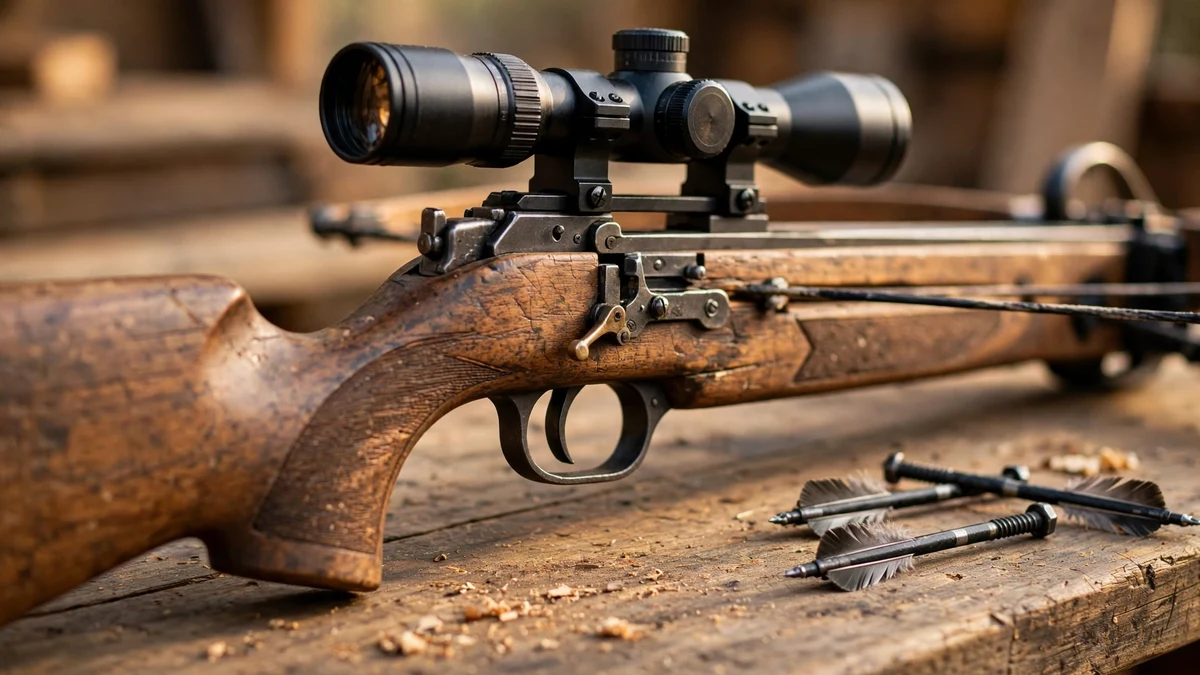
The trigger is a Pro-Shot ACP match-grade two-stage trigger, advertised at a 3 lb pull. The instrumented test measured 3 lb 14 oz, which is 14 oz heavier than advertised. That gap is not a deal breaker, and both testers praised the trigger, but the rewrite must not repeat 3 lb as a measured fact. Under 4 lb with a clean two-stage break is still a good trigger for a hunting crossbow of this era, and the field tester reports it breaking crisply at 3 lb even after several hundred shots. One source calls the trigger non-adjustable, while the instrumented test says it can be set to a two-stage pull depending on preference. That conflict is unresolved, so I do not assert adjustability for the 400 TD. If a seller tells you the trigger is adjustable, ask them to show you how.
The scope is the Tact-100 illuminated scope, with a 100-yard multi-reticle, red and green illumination, and 10-yard increments from 20 to 100 yards. It is the scope the package shipped with, and it is the scope to confirm on a used bow, because a missing or damaged scope is a real cost on top of the asking price. Test the illumination, check the mount, and confirm zero at 20 yards before paying if the seller will let you. For help choosing glass if you ever replace it, read our guide to picking a scope guide.
The stock is the Tru-Fit stock, with tool-free length of pull and cheek piece adjustment through two large knobs, no tools needed. The field test and the launch-era range notes both praise the quick and simple adjustable stock and cheek piece, and the two-stage trigger. The stock is synthetic, the riser is aluminum, and the old article’s phrase “composite frame” is vague and unverified, so I do not repeat it. The limbs are Micro High-Output Express limbs with Armor Tips, and the arrows are 16.5-inch ProFlight carbon bolts with flat nocks, four in the box, with a 350-grain minimum arrow weight. Do not shoot moon nock bolts as the standard for this bow, even though the field tester used them for one group test, and never shoot an arrow under 350 grains in it.
The safety is a manual safety, described as whisper quiet, with an older dry-fire inhibitor system. That inhibitor is not the newer CeaseFire system found on the Micro Suppressor Extreme and the RevX TD, so do not call it CeaseFire. The sound suppression is the Sound Deadening System with R.E.D.S. suppressors and string stops, and it costs about 12 fps against the headline speed, per the manufacturer footnote. The finishes are Realtree Edge and True Timber Strata, at the same last known price in both. The package as sold was the Tact-100 scope, the integrated crank, a 4-bolt quiver, and 4 ProFlight bolts. A fitted soft case appears in the field test features list but not in the retailer package list, so whether every package included the case is unresolved, and a seller who claims the case was standard should be asked to show it. For carrying and storage options, read our guide to hard vs soft cases guide, and for quivers, read the guide to quivers for your bolts guide.
Model Confusion Warning: Four Bows With Similar Names
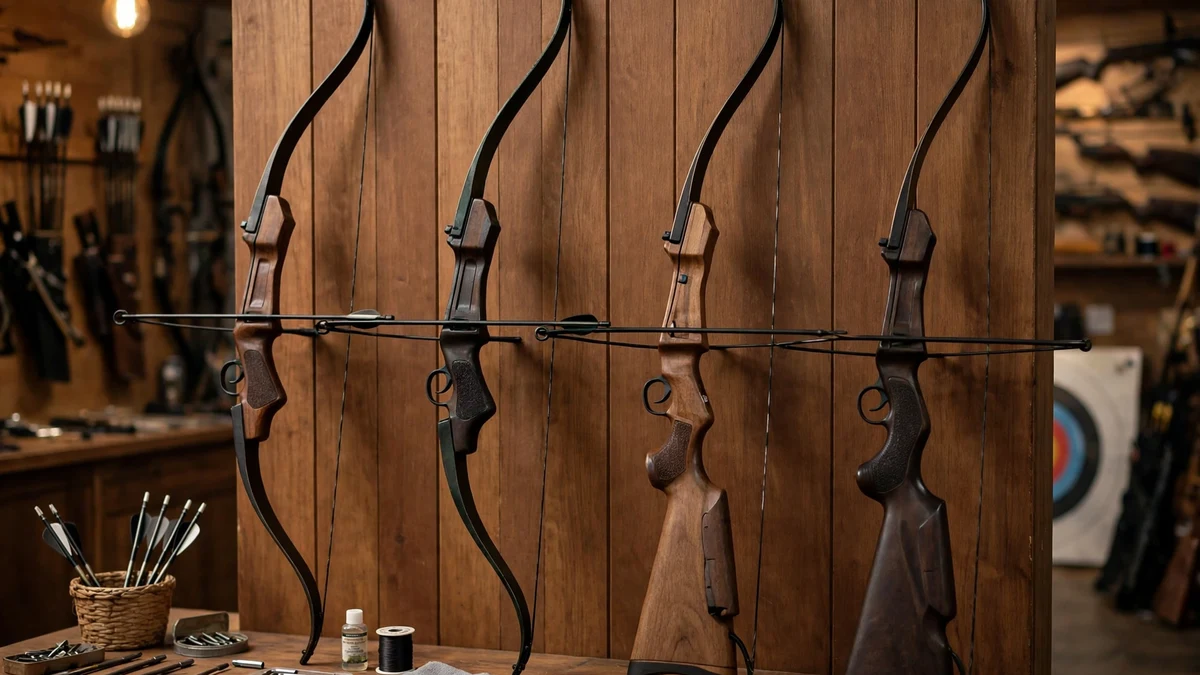
This is the section that saves buyers the most money, so read it before you shop. The Assassin 400 TD is a different model from three other bows with confusingly similar names, and listings mix them up. Check the limb and rail markings on the actual bow, not the listing title, because a listing title can be wrong and the markings are the truth.
| Model | Speed | Weight | Key difference | Status |
|---|---|---|---|---|
| Assassin 400 TD (this bow, 2020) | Up to 400 fps advertised, 392 fps tested | 7.9 lb bare, 10 lb 3 oz as hunted | Quick-Loc takedown, integrated Charger Crank at 14 lb, 325 lb draw, 15-in power stroke | Discontinued, last known MSRP $1,799.99 |
| Assassin 420 TD (bigger sibling, 2020) | Up to 420 fps advertised | 8 lb bare per the manufacturer guide, 8.6 lb per a retailer listing | Faster and larger: 290 lb draw, 18.75-in power stroke, 33-36 in long, 24 in cocked, 137 ft-lb kinetic energy, 18-in bolts | Discontinued, stale list price $1,899.99 |
| Micro Suppressor 400 TD (close sibling) | Up to 400 fps advertised | 6.8 lb without accessories | Lighter, and it uses the detachable Charger EXT crank in its package list instead of the integrated crank. 325 lb draw, 15.25-in power stroke, 32 in long, 21 in cocked | Discontinued, stale list price $1,499.99 |
| Assassin Extreme (2023) | Up to 400 fps advertised | 7.4 lb bare, 9.2 lb accessorized | Not a takedown model. Integrated Charger Crank at 19 lb, 15-in power stroke, 32 in long, 20.75 in cocked. MSRP $1,399.99 standard, $1,499.99 in Flat Dark Earth, $1,599.99 in Realtree Excape | Discontinued, stale list price $1,099.99 |
Two warnings belong with that table. First, one review of the 420 TD states that the 420 TD can fire if the barrel is not fully locked. That concern is stated for the 420 TD only, and it is not verified for the 400 TD, so do not transfer it to this bow. For the 400 TD, the honest statement is narrower: check the two-click Quick-Loc lock and confirm zero after reassembly before buying, because no used warranty covers a worn lock. Second, the 420 TD is a step up in speed and size, not a successor, and the Extreme is an intermediate Assassin model that is also discontinued, so neither one is a current alternative. A buyer searching for a newer Assassin may find the Extreme and assume it is current. It is not.
The two 400 TD models deserve a special note, because listings mix them most often. The Assassin 400 TD and the Micro Suppressor 400 TD share the same advertised speed, the same 325 lb draw weight, the same 14 lb cocking effort, and the same Tact-100 scope, and both are discontinued. The differences are the takedown, the crank, and the weight: the Assassin 400 TD is the takedown bow with the built-in integrated crank at 7.9 lb bare, while the Micro Suppressor 400 TD is the lighter bow at 6.8 lb without accessories, with the detachable Charger EXT crank in its package list and no takedown stated. If takedown is the reason you are buying, confirm you are looking at the Assassin 400 TD, not its lighter sibling.
What Replaced It: The Two Current Models That Split Its Job
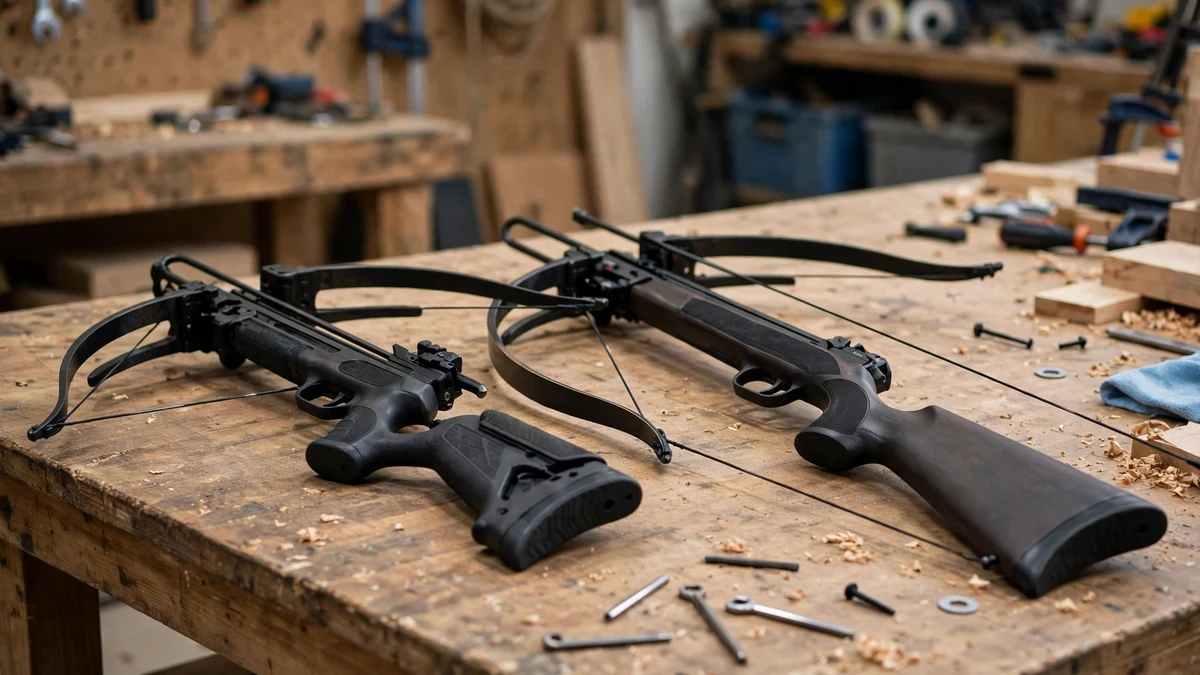
No official successor was named for the 400 TD, so the succession is functional, not official. Two current models split its job, and which one you should buy depends on whether takedown matters to you. For the full current lineup, start with our guide to the top tested bows guide and the Excalibur reviews hub, then come back to this comparison.
| Item | Assassin 400 TD (2020, discontinued) | Micro Suppressor Extreme (current) | RevX TD (2026, current) |
|---|---|---|---|
| Speed, advertised | Up to 400 fps, 392 fps tested | Up to 400 fps advertised | Up to 400 fps advertised, 390 fps tested with a 352-grain arrow, 384-390 fps tested range |
| Draw weight | 325 lb advertised | Not listed. Do not use the 400 TD figure of 325 lb for this bow | Not asserted. One 2026 roundup lists a figure that is unverified, so I do not state one |
| Weight | 7.9 lb bare, 10 lb 3 oz as hunted | 6.4 lb bare, 8.45 lb with accessories | 7.5 lb bare |
| Length | 30-33 in adjustable | 31.4 in | Not stated here |
| Power stroke | 15 in | 15-in draw length | 10.5 in |
| Cocking | Integrated Charger Crank, 14 lb, built in | Charger EXT detachable crank, 18 lb cranking effort per the retailer listing. The listing is internally inconsistent, saying both that it includes the Charger EXT and that the Charger EXT is not included. Flag that, do not resolve it silently | Charger X Integrated Crank, 16 lb, built in |
| Trigger and safety | Pro-Shot two-stage, 3 lb advertised, 3 lb 14 oz tested, older dry-fire inhibitor | Premium trigger, CeaseFire anti dry-fire system. Trigger pull figure not in the listing retrieved | 3.5 lb listed against 1.6 lb tested |
| Scope | Tact-100 illuminated | Tact100 illuminated scope and rings | Overwatch illuminated scope |
| Takedown | Yes, Quick-Loc | No takedown stated | Yes, Quick-Loc, with included case |
| Price and status | Discontinued. Last new MSRP $1,799.99 | Current, in stock. $1,249.99, checked September 3, 2026 | Current. MSRP $1,999.99, street about $1,900 |
The Micro Suppressor Extreme is the closest current 400 fps Micro recurve, and it is the value comparison that matters most. It is lighter at 6.4 lb bare against 7.9 lb, cheaper at about $1,250 new against a $1,799.99 last known price, current with a full warranty, and quieter by design, with the newer CeaseFire anti dry-fire system. What it does not do is take down, and its crank is the detachable Charger EXT, not the built-in crank on the 400 TD. One caution on its listing: the retailer page says both that it includes the Charger EXT crank and that the Charger EXT is not included, in the same bullet list. That is internally inconsistent, and I flag it rather than resolve it. Ask the seller which statement is true before you pay. Its draw weight is also not listed, so do not use the 400 TD figure of 325 lb for it. And do not use a single retailer price check of about $1,017 as a settled street price for the Extreme, or a 2026 roundup figure of about $1,900 for it. That $1,900 figure belongs to the RevX TD price band, not the Extreme.
The RevX TD is the true takedown successor, and the direct functional replacement for a traveling hunter. It is a 2026 model with the same advertised 400 fps, a tested 390 fps with a 352-grain arrow, a 7.5 lb bare weight, a shorter 10.5-in power stroke, the newer Charger X integrated crank at 16 lb, the Overwatch scope, Quick-Loc takedown with an included case, and a current warranty at $1,999.99 MSRP, about $1,900 on the street. Its trigger is listed at 3.5 lb against a tested 1.6 lb, which is the opposite direction from the 400 TD gap, and its draw weight is not asserted here, because the one published figure is unverified. A used 400 TD only wins against the RevX TD on price, and only if the saving is large. If takedown matters most, buy the RevX TD. If light weight, quiet shooting, and value matter most, and takedown does not, buy the Micro Suppressor Extreme. Hunt for a used 400 TD only if the bow is complete, verified, and well below a new Extreme at about $1,250. If you are weighing price against performance, our guide to bows that punch above their price guide and the best crossbows under 1000 dollars guide will help you set the budget first.
Used Buying Checklist: 10 Checks Before You Pay
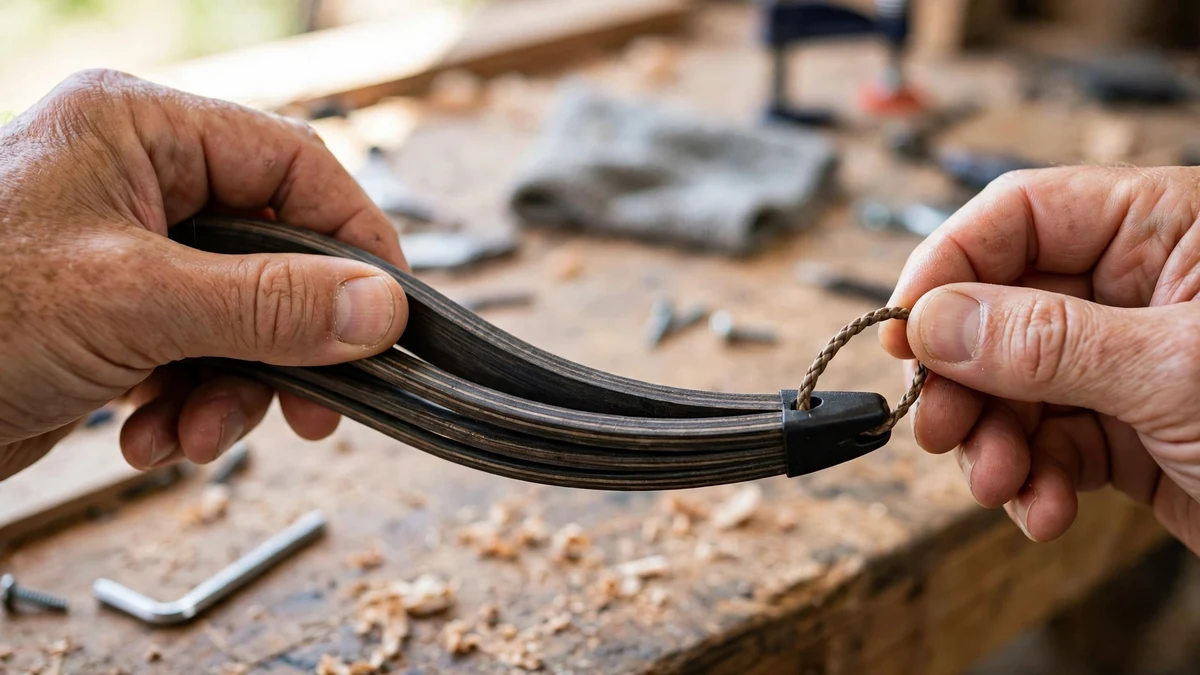
Use this list in order, on the actual bow, before money changes hands. Every item is grounded in a source in this research, or in a stated conflict. If any check fails, or the seller will not let you test the bow, walk away. A used 400 TD with a worn lock, a slipping crank, or a missing scope is not a bargain at any price.
- Confirm the model. Check the limb and rail markings say Assassin 400 TD, not Assassin 420 TD, Micro Suppressor 400 TD, or Assassin Extreme. Listings mix these models, and the markings are the truth.
- Check the Quick-Loc takedown. Assemble tool-free, listen for two decisive clicks, confirm no play in the joint, shoot, disassemble, reassemble, and shoot again to confirm zero holds. Both published tests report no loss of zero on a sound bow, so a bow that loses zero has a problem.
- Check every screw, especially rail screws. One buyer report mentions loose rail screws and a thin manual. Check all fasteners before shooting, and do not shoot a bow with a loose rail.
- Test the integrated crank. Cock and de-cock with the handle and strap. Confirm the Full Draw Latch releases only under load with pressure on the handle, as one owner describes, and that the handle does not slip. Confirm the crank, handle, and strap are present. They are built in, not a separate accessory to buy later.
- Inspect string, serving, limbs, and limb tips. Look for fraying, serving separation, limb cracks, and Armor Tip damage. A recurve string is field replaceable, but price that into the deal if it is worn.
- Confirm the scope. Tact-100 illuminated, red and green illumination, reticle to 100 yards. Test the illumination, check the mount, and confirm zero at 20 yards before paying if possible.
- Confirm the full package. Tact-100 scope, integrated crank, 4-bolt quiver, 4 ProFlight 16.5-inch flat-nock bolts, and the fitted soft case if the seller claims it. Missing bolts, quiver, or case reduce value. Minimum arrow weight is 350 grains. Do not accept moon nock bolts as the standard.
- Check the safety and dry-fire inhibitor. Confirm the manual safety is quiet and positive, and the dry-fire inhibitor functions. This is the older inhibitor, not CeaseFire.
- Ask about warranty transfer and parts. The bow carried a limited lifetime warranty when new. Transfer to a second owner is unverified in this research. Do not promise yourself warranty cover on a used bow, and check parts availability for a 2020 model before you buy.
- Compare the asking price with current models before paying. A new Micro Suppressor Extreme costs about $1,250, and a new RevX TD costs about $1,900 on the street with a $1,999.99 MSRP. A used 400 TD must be well below the Extreme to make sense. No verifiable pre-owned price range was found in the searches run for this article, so there is no used market range to quote, and any seller who claims one should be asked for a dated listing.
One more note on price, because it is the question every buyer asks first. The last known new MSRP was $1,799.99 in 2020, confirmed in three sources. A retailer page for the discontinued bow shows a list price of $1,899.99, which is higher than the launch MSRP, with an unknown date, and it is a stale list price on a discontinued listing, not an MSRP and not a live offer. Do not let a seller use it to justify a high asking price. A 2024 roundup figure of about $1,600 has no source behind it and conflicts with the three 2020 sources, so I do not use it either. The honest statement is that no verifiable pre-owned price range exists, and the value anchor is the current Extreme at about $1,250. If the used bow is not well below that, buy the new Extreme instead, unless takedown is the whole reason you are buying, in which case the RevX TD at about $1,900 is the comparison that matters.
Who It Is Best For, and Who Should Skip It
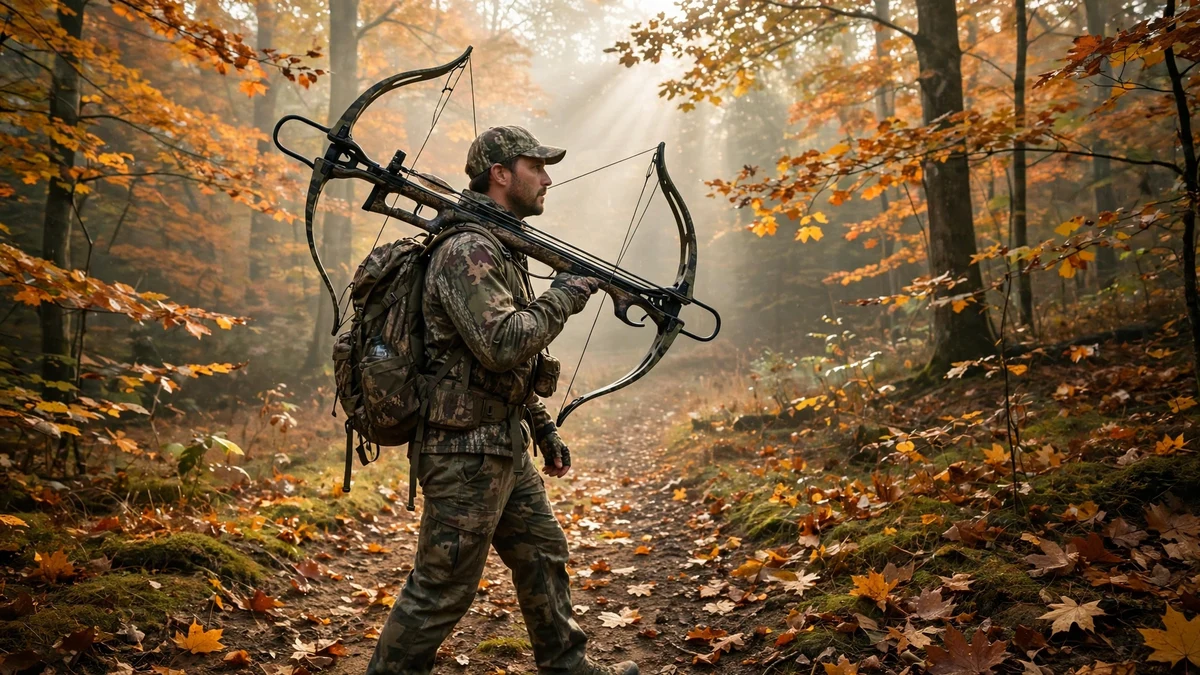
This bow is best for a traveling hunter who values takedown packing above all, and who will verify the Quick-Loc lock, the crank, and zero retention after reassembly before paying. It is also a good fit for a recurve loyalist who wants Excalibur simplicity, field string changes, and no cams or cables, and who accepts a heavy, wide bow in exchange. A third good fit is a buyer who already owns 16.5-inch flat-nock bolts and a Tact-100 setup, or who is buying a complete used package with scope, quiver, bolts, and case, so there is no hidden accessory cost on top of the asking price.
It is not for a buyer who wants a new bow with a full warranty, a buyer who wants the lightest or narrowest 400 fps bow, a buyer who will not test a used crank and lock, or a buyer who can stretch to a new Micro Suppressor Extreme at about $1,250. For most buyers in 2026, the current models are the better purchase, and the elk hunter in particular should look at the current lineup first: our guide to powerful bows for elk country guide covers the bows built for that job with current prices and support. The 400 TD is a specialist’s used buy, not a general recommendation, and this review does not pretend otherwise.
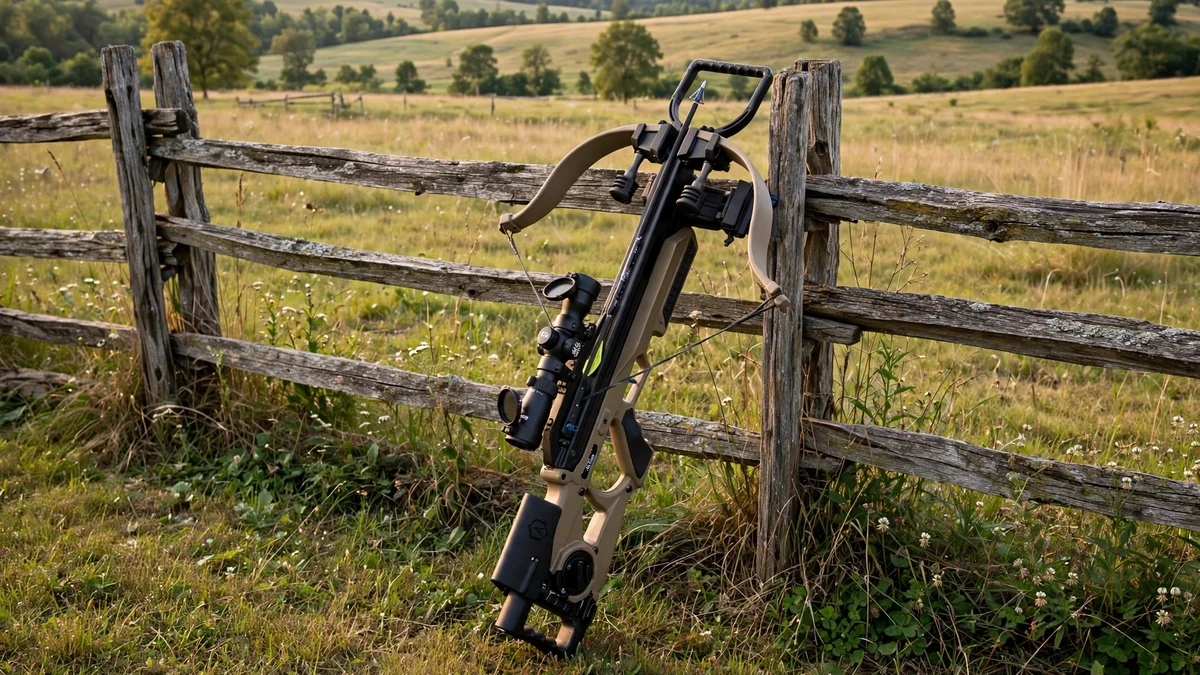
Assassin 400 TD Pros and Cons
Pros
- True takedown portability: Quick-Loc push button, tool-free, two clicks, no loose parts, and both testers report no loss of zero after reassembly
- Proven accuracy: best accuracy average in its instrumented test group at 1.2 inches at 30 yards, with a 392 fps chronograph result on a 350-grain arrow, only 8 fps under the advertised 400 fps
- Recurve simplicity: no cams, cables, or pins to fail, and a worn string can be changed in the field
- Light cocking for its draw weight: 325 lb reduced to 14 lb through the integrated crank, with cocking and de-cocking built in and no separate crank to buy or lose
- Good trigger for its era: Pro-Shot two-stage, advertised 3 lb, tested 3 lb 14 oz, still under 4 lb and praised by both testers
- Complete package as sold: Tact-100 illuminated scope, integrated crank, 4-bolt quiver, 4 ProFlight bolts, plus sound suppression and a fitted soft case in the field test features list
Cons
- Discontinued: no new bow, no current warranty on a new purchase, and parts support depends on spares for a 2020 model
- Heavy and wide when assembled: 7.9 lb bare, 10 lb 3 oz as hunted, 20-21 in cocked, the heaviest and widest bow in its test group
- Slower than the headline with suppression fitted: 388 fps advertised with the Sound Deadening System, against the 400 fps headline
- Trigger heavier than advertised: tested 3 lb 14 oz against a 3 lb advertised pull, a 14 oz gap
- No sling in the package: the field tester’s only stated negative
- De-cocking needs care and the manual does not explain it well: one owner reports the Full Draw Latch must be released under load with pressure on the cocking handle
- Takedown lock must be verified on every used bow: the Quick-Loc system is the bow’s best feature and its main used-buying risk
- No stated kinetic energy figure from the manufacturer, so do not quote any energy figure for this bow as a fact
Bottom line: Buy Used Only If It Is Complete, Verified, and Cheap
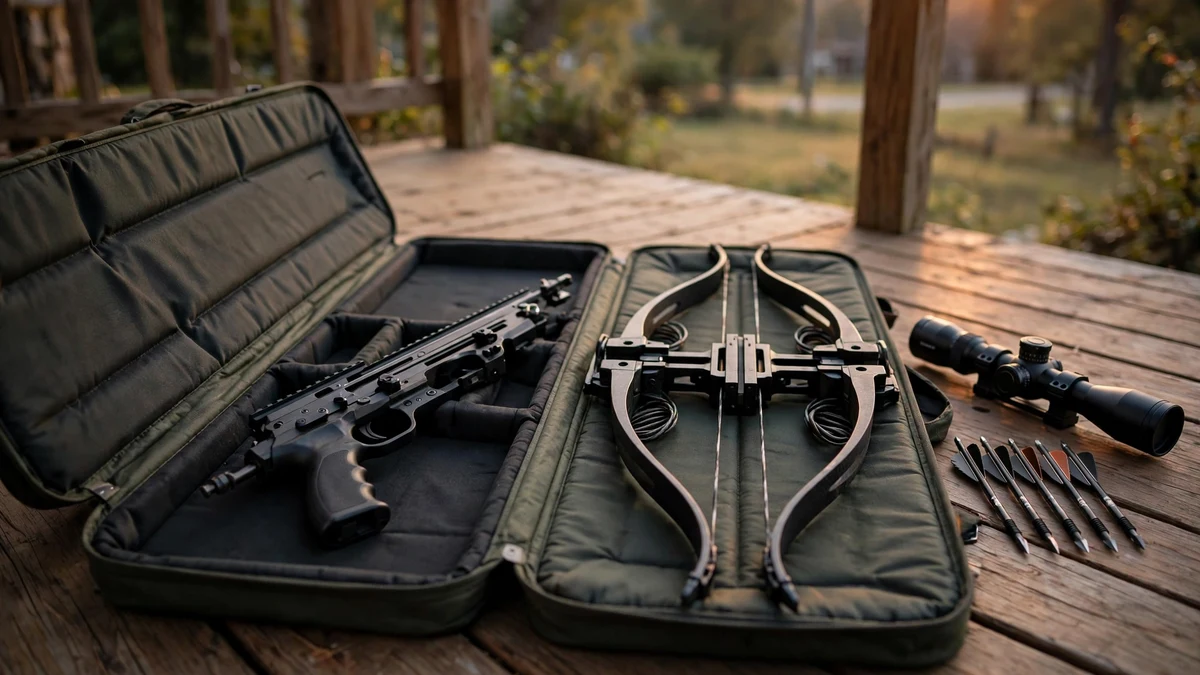
Bottom line: the Assassin 400 TD was a good bow in 2020, and the test results back that up, with the best accuracy average in its group and a chronograph speed only 8 fps under the advertised figure. But it is discontinued, heavy, wide, and sold used only, with no verified pre-owned price range and no warranty transfer confirmed. Buy one only if it is complete with scope, crank, quiver, bolts, and case, the Quick-Loc lock clicks firmly twice and holds zero after reassembly, the crank and de-cock latch work smoothly, the string and serving are sound, and the price is well below a new Micro Suppressor Extreme at about $1,250. If any of those checks fail, or the seller wants close to current-model money, walk away and buy the Extreme, or the RevX TD if takedown is the reason you are buying. For most hunters in 2026, the current models are the better purchase, and the used 400 TD is a specialist’s buy for a traveling hunter who knows exactly what to check.
Frequently Asked Questions
Is the Excalibur Assassin 400 TD discontinued?
Yes. A major retailer lists it as discontinued and not available, no live product page exists on the manufacturer website, only the 2020 and 2021 Quick Reference Guide PDFs, and all substantive reviews date to 2020. No discontinuation notice or date from the manufacturer was found, so the status rests on retailer availability and lineup absence, not on an announcement with a date. It is pre-owned and remaining stock only.
How fast is the Assassin 400 TD really?
Advertised up to 400 fps with a 350-grain minimum arrow, and 388 fps with the Sound Deadening System fitted, per the manufacturer guide footnote. The only instrumented test found measured 392 fps with a 350-grain arrow, a 3-shot average through a chronograph, which is 8 fps under the advertised figure. A heavier hunting arrow would be slower, and a buyer who fits the suppression should expect high 380s, not 400 fps.
What did the Assassin 400 TD cost new, and what should I pay for a used one?
The last known new MSRP was $1,799.99 in 2020, confirmed in three sources. A retailer page for the discontinued bow shows a stale list price of $1,899.99, which is higher than the launch MSRP and is not an MSRP or a live offer. No verifiable pre-owned price range was found, so none is quoted here. As a value anchor only, a used 400 TD makes sense only well below the new Micro Suppressor Extreme at about $1,250, and well below the RevX TD at about $1,900 on the street.
What is the difference between the Assassin 400 TD and the Assassin 420 TD?
They are different models from the same 2020 launch. The 400 TD is up to 400 fps, 325 lb draw, 15-in power stroke, 7.9 lb bare, and 20-21 in cocked. The 420 TD is up to 420 fps, 290 lb draw, 18.75-in power stroke, 8 lb bare per the manufacturer guide, 33-36 in long, 24 in cocked, with a stated 137 ft-lb kinetic energy. Both are discontinued. The 420 TD is a step up in speed and size, not a successor, and a safety concern about firing with the barrel not fully locked is stated for the 420 TD only, not for the 400 TD.
Is the Assassin 400 TD the same as the Micro Suppressor 400 TD?
No. They share the same advertised speed, the same 325 lb draw weight, the same 14 lb cocking effort, and the same Tact-100 scope, and both are discontinued, which is why listings mix them. The Assassin 400 TD is the takedown bow with the built-in integrated crank at 7.9 lb bare. The Micro Suppressor 400 TD is lighter at 6.8 lb without accessories, uses the detachable Charger EXT crank in its package list, and has no takedown stated. Confirm the limb and rail markings before you buy.
Does the Assassin 400 TD use the Charger EXT crank?
No. It uses the integrated Charger Crank System built into the bow, at 14 lb of effort, which cocks and de-cocks. The Charger EXT is a separate detachable crank accessory for Micro and Bulldog series bows, and it is not fitted to the 400 TD. The Charger X is the newer integrated crank built into the RevX and Hybrid X, at 16 lb of effort. Do not confuse the three systems, and do not apply one system’s effort figure to another.
What arrows does the Assassin 400 TD take?
16.5-inch ProFlight carbon bolts with flat nocks, four in the box as sold, with a 350-grain minimum arrow weight. Do not shoot lighter arrows. Do not shoot moon nock bolts as the standard for this bow, even though a field tester used them for one group test.
What is the kinetic energy of the Assassin 400 TD?
No manufacturer kinetic energy figure was found for this bow, and no tested kinetic energy figure exists in the sources for this article. Do not quote any energy figure for the 400 TD as a fact. One low-authority roundup lists a figure with no test behind it, and it is not used here.
What should I check before buying a used Assassin 400 TD?
Confirm the model markings, test the Quick-Loc two-click lock and confirm zero holds after reassembly, check every screw especially rail screws, test the integrated crank and the de-cock latch, inspect the string, serving, limbs, and limb tips, confirm the Tact-100 scope and zero at 20 yards, confirm the full package including quiver, bolts, and case if claimed, check the safety and dry-fire inhibitor, ask about warranty transfer, and compare the asking price against the current Micro Suppressor Extreme at about $1,250. The full 10-point checklist is in the used buying section above.
Keep Learning
- Best Crossbow Bolts 2026: How to Choose
- Best Hunting Crossbow 2026: 7 Picks for the Treestand and Beyond
- How to Cock a Crossbow Safely: Rope and Crank Methods
- Crossbow Safety Guide: How to Handle Every Bow Safely
- Best Crossbow Scope 2026: What to Buy and Why
- Best Crossbows 2026: Tested Picks for Every Budget